Spirituality
Standing Beside Someone in Prayer: What Intercession Can Look Like
Support without taking over their story.
 By Seraphina||1 min read

When someone you love is hurting, you may wish you could carry the problem for them. Intercession, in Christian usage, means praying on behalf of others. Makeda describes herself as a prophetic intercessor. Her ministry’s language invites a useful question for everyday life: how can we pray for someone without taking control of their story?
Begin by listening
Ask, “Would you like me to pray for you?” If they say yes, ask what they would like included. They may want prayer for strength rather than a particular outcome. They may prefer silence or ordinary companionship. Respecting that answer is itself a form of care.
Keep the request theirs
- Listen without trying to explain why the difficulty happened.
- Use the words they are comfortable sharing.
- Pray privately unless they have agreed to a wider request.
- Avoid sharing names, diagnoses, or family details in public groups without permission.
A prayer request is not permission to turn someone’s private life into an illustration, a testimony, or a story for social media.
Pair prayer with a useful offer
“Let me know if you need anything” can be hard to answer. Try “May I bring dinner on Thursday?” or “Would a lift to your appointment help?” Let the person decline. The practical offer should fit your capacity, not create a promise you cannot keep.
A simple intercessory prayer
“God, be near to the person I am holding in prayer. Give them support, wise counsel, and moments of rest. Help me listen well and offer kindness without taking over. Amen.”
This is original Journal writing, not a Scriptural quotation or a prayer attributed to Makeda. It does not promise an outcome.
When more support is needed
Prayer can accompany treatment, counselling, and community help. It should not delay urgent care or persuade someone to abandon it. If someone is in immediate danger, seek appropriate emergency assistance.
Explore Makeda’s description of her ministry and her personalized prayer offerings if you would like written spiritual support.
Related Articles
Spirituality
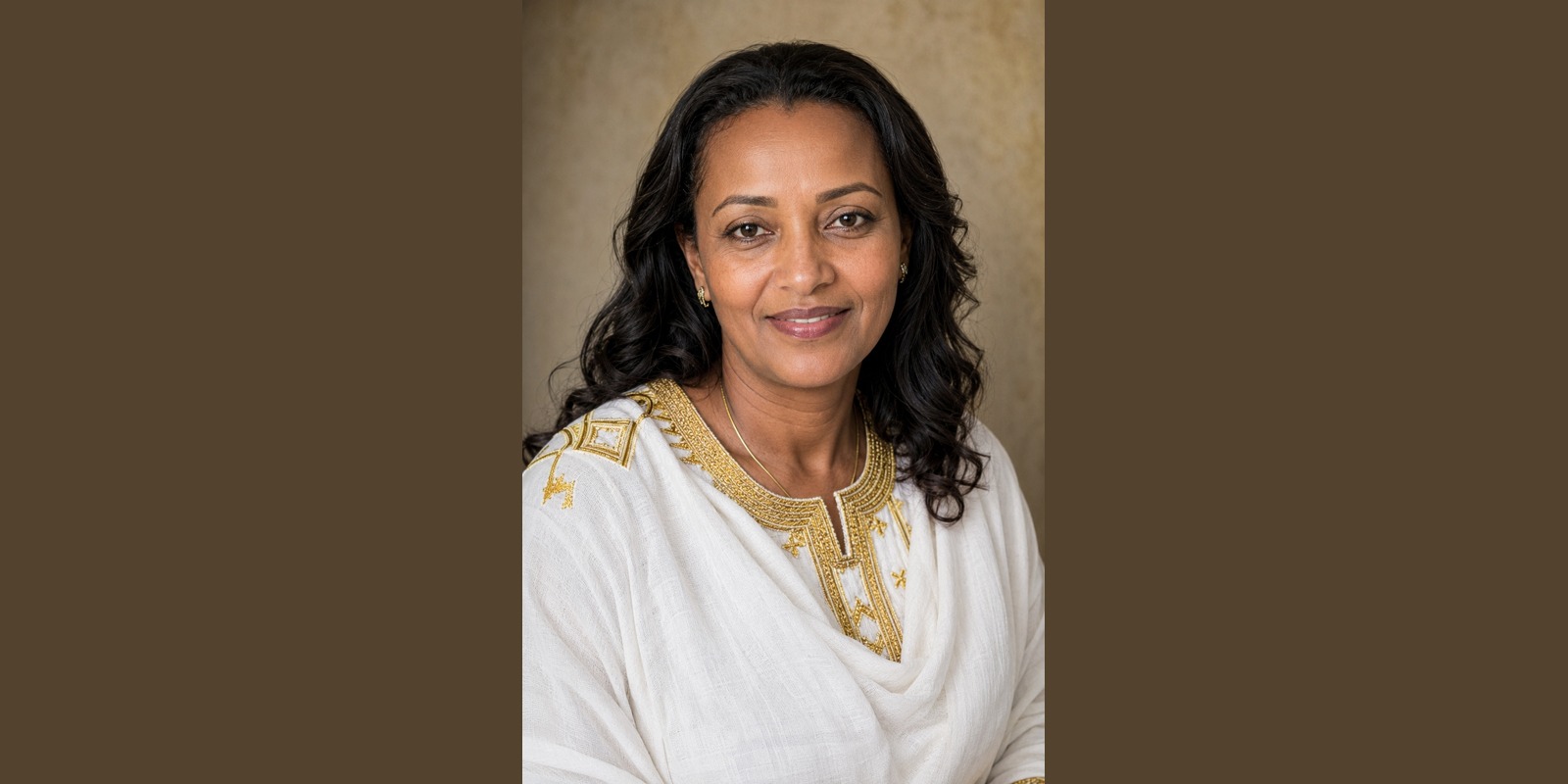
Meet Makeda: A Ministry Built Around Prayer and the Word
Meet Makeda Word of God Prophetic Ministry and explore its Scripture-based prayers, personal messages, and digital offerings.
By Seraphina | October 28, 2026
Spirituality
A Morning Prayer Before the World Gets Loud
Build a small Christian morning practice inspired by Makeda’s emphasis on Scripture, with no special purchases required.
By Seraphina | October 28, 2026
Spirituality
When Grief Has No Neat Ending: Writing a Memorial Prayer
A compassionate guide to writing a personal memorial prayer, alongside Makeda’s funeral and bereavement prayer offerings.
By Seraphina | October 28, 2026