Guide
Herbs in Witchcraft: How Traditional Spell Work Is Done
By Seraphina
Folk witchcraft has always been kitchen-and-garden magic. Village healers across Europe, Africa and the Americas worked with what grew nearby: herbs hung at doors, salt on thresholds, wax candles and knotted thread. The power was in intention, repetition and a living tradition passed hand to hand.
This guide explains how that work is actually done. It describes traditional practice and belief; it doesn't promise outcomes.
The core of a spell
- Intention: one clear purpose, stated simply.
- Materials: herbs, oils, salt, candles or stones that correspond to the purpose.
- Action: something you do with your hands, such as burning, tying, burying, bathing or carrying.
- Words: a spoken charm, prayer or plain statement of what you want.
- Timing: often the moon phase, a day of the week, or a festival such as Midsummer.
- Closing: thanks, then disposing of the remains respectfully, usually by burying them or leaving them at a crossroads.
Protection herbs
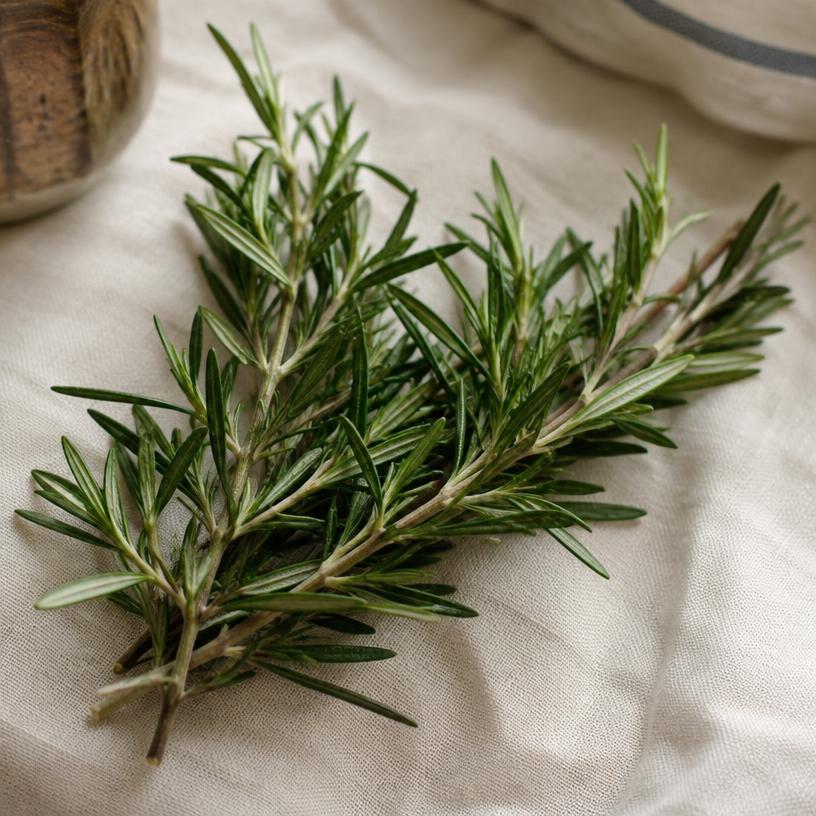
- Rosemary
- TraditionProtection, cleansing, remembrance.
- How it's usedBundled and burned, added to floor washes, hung by doors.
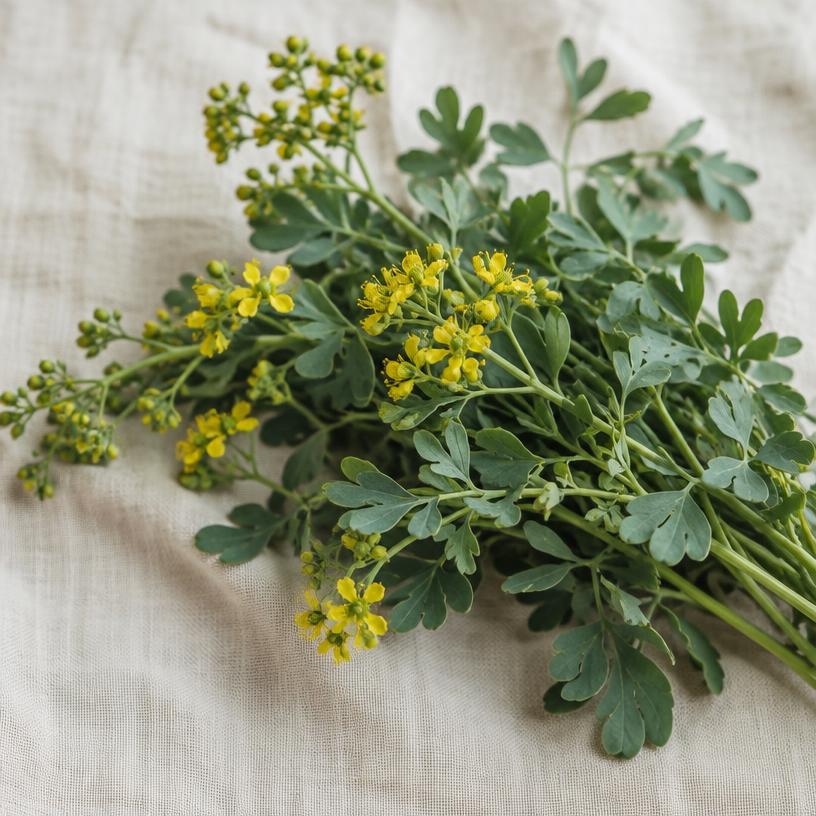
- Rue
- TraditionA classic protection herb in Mediterranean and Slavic folk magic.
- How it's usedHung dried by the door; a sprig carried. Not for internal use.
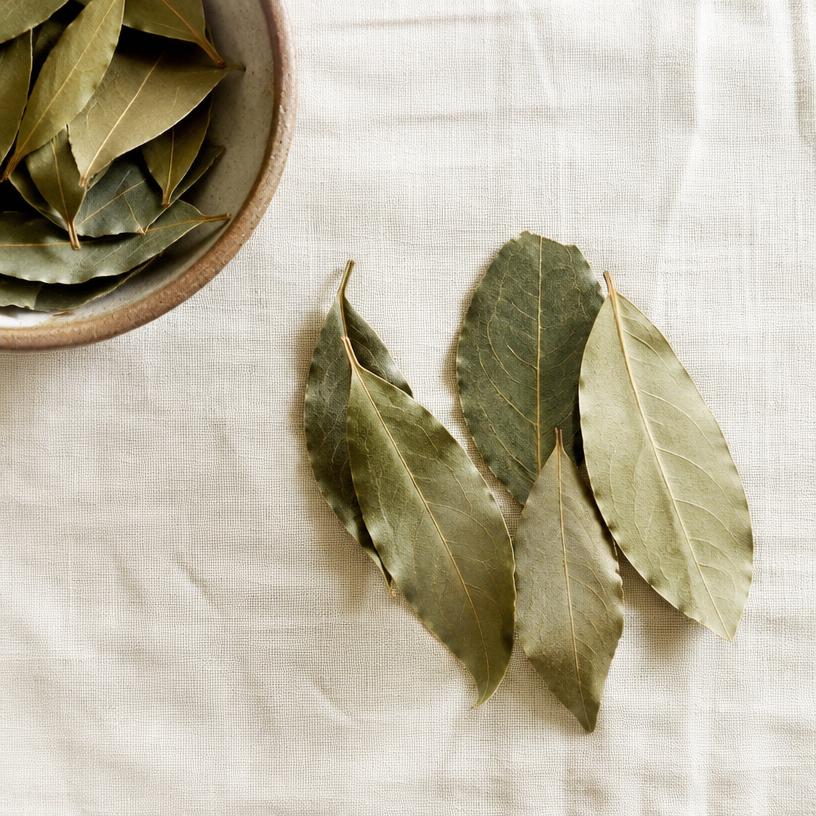
- Bay leaf
- TraditionProtection, wishes and success.
- How it's usedWrite a wish on the leaf and burn it.
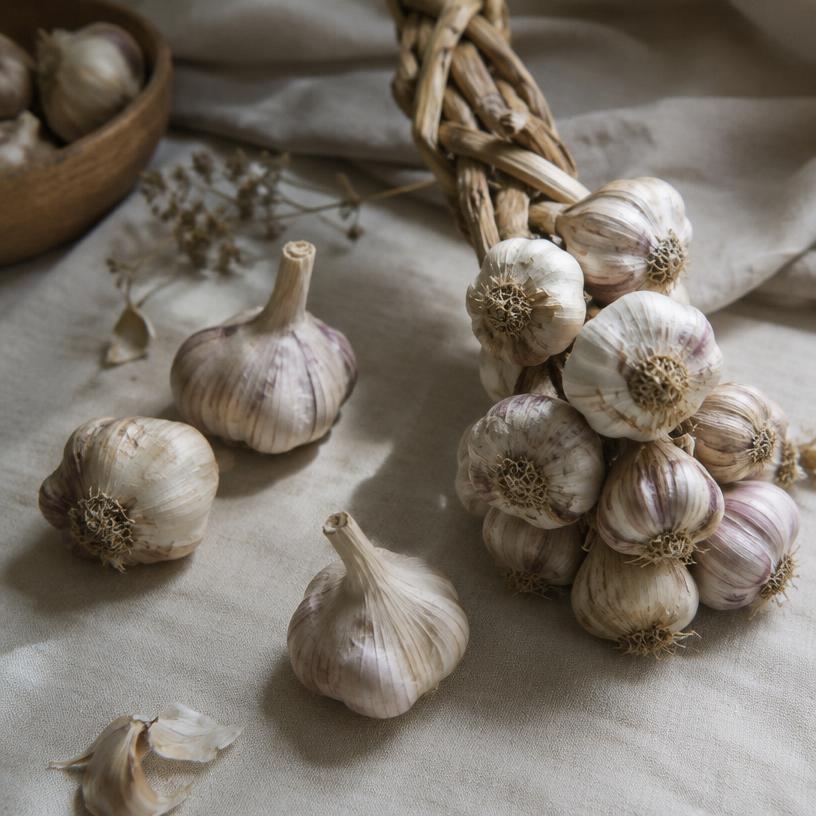
- Garlic
- TraditionWarding off harm and ill will.
- How it's usedBraids hung in the kitchen; cloves at windows.
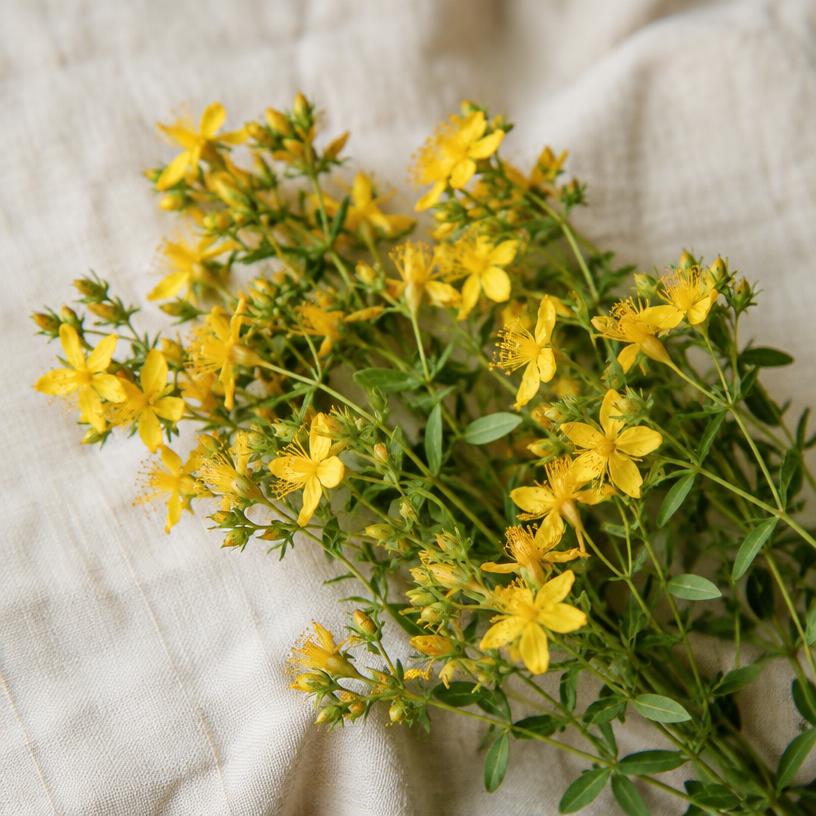
- St John's wort
- TraditionMidsummer protection and light.
- How it's usedGathered at Midsummer and hung over doors.
Love herbs
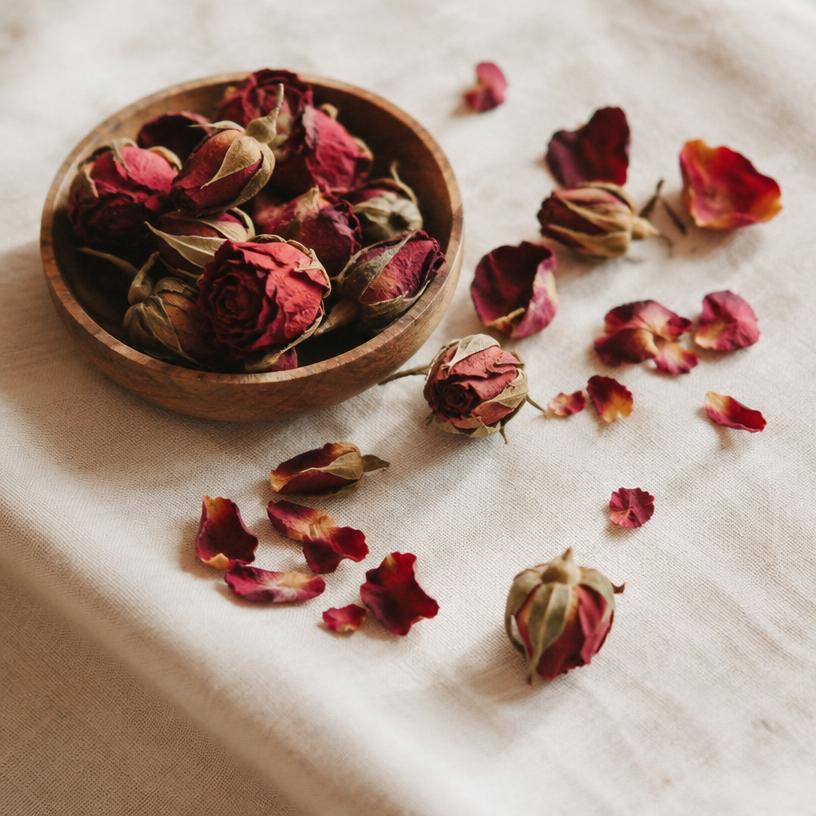
- Rose
- TraditionLove, beauty, self-worth.
- How it's usedPetals in baths, honey jars and love sachets.
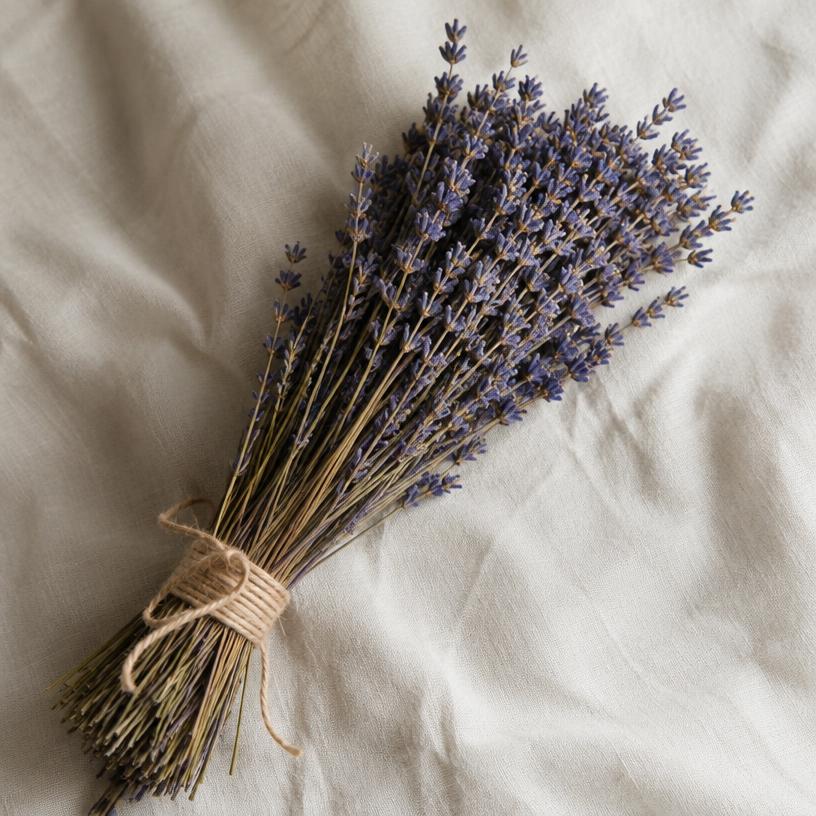
- Lavender
- TraditionPeace, gentle love, sleep.
- How it's usedSachets in drawers and pillows; bath infusions.
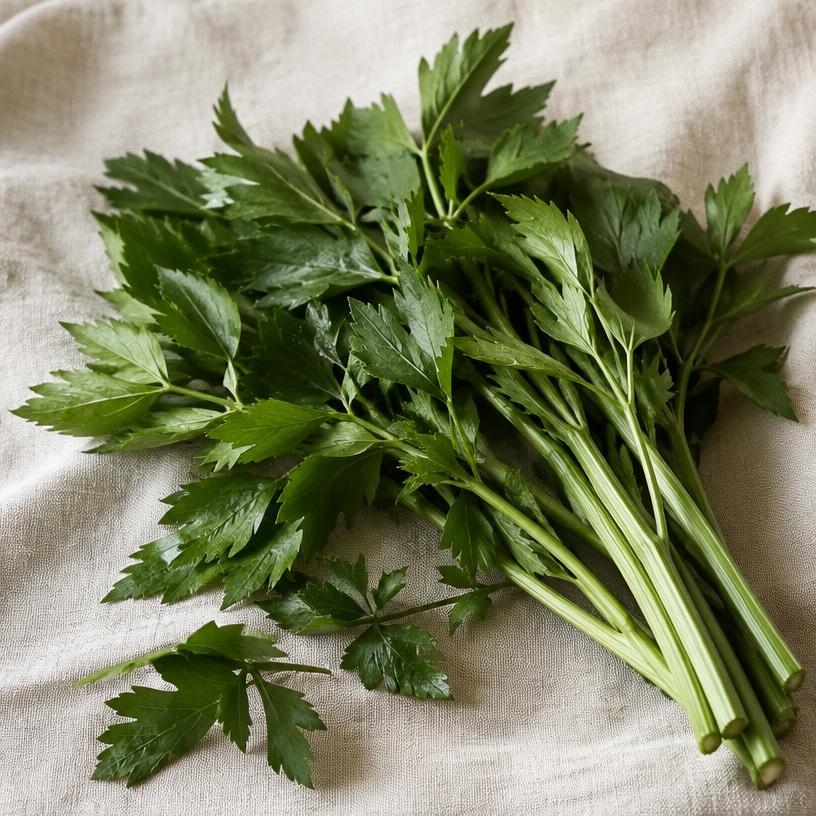
- Lovage
- TraditionAttraction, in Slavic and English folk magic.
- How it's usedSteeped into a bath before meeting someone.
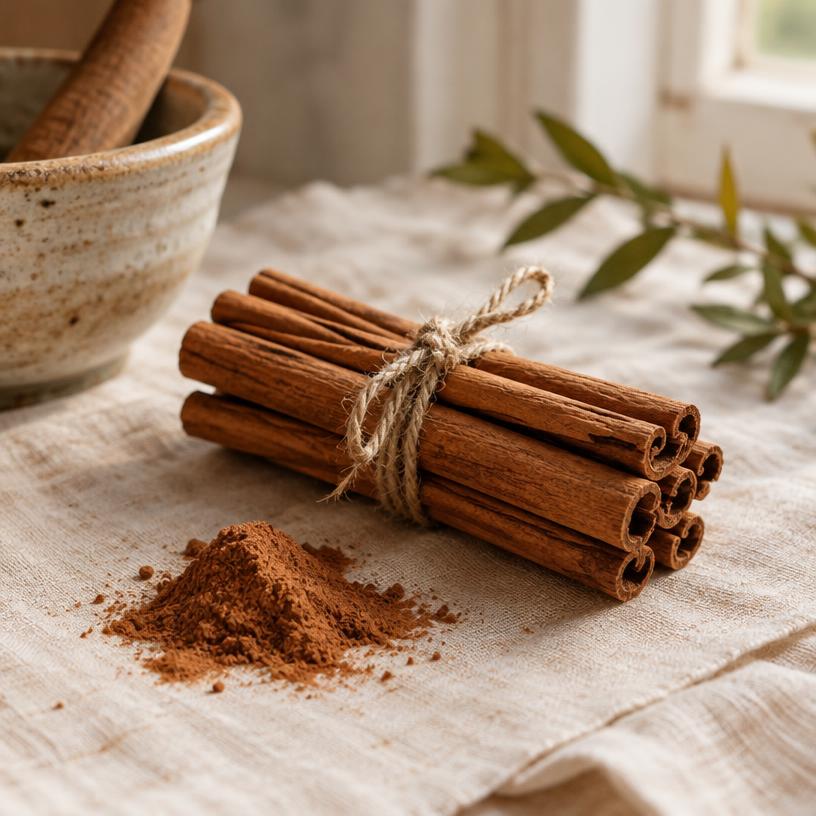
- Cinnamon
- TraditionWarmth, attraction, speed.
- How it's usedA pinch added to love or money spells to quicken them.
Money, dreams and cleansing
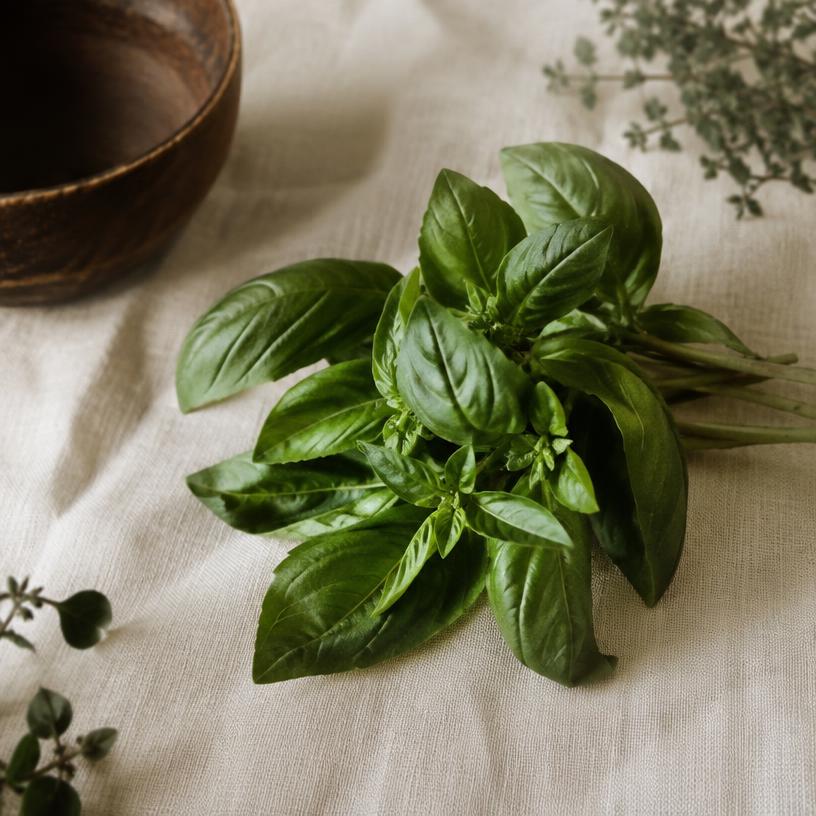
- Basil
- TraditionMoney and a happy home.
- How it's usedGrown by the door; a leaf in the wallet.
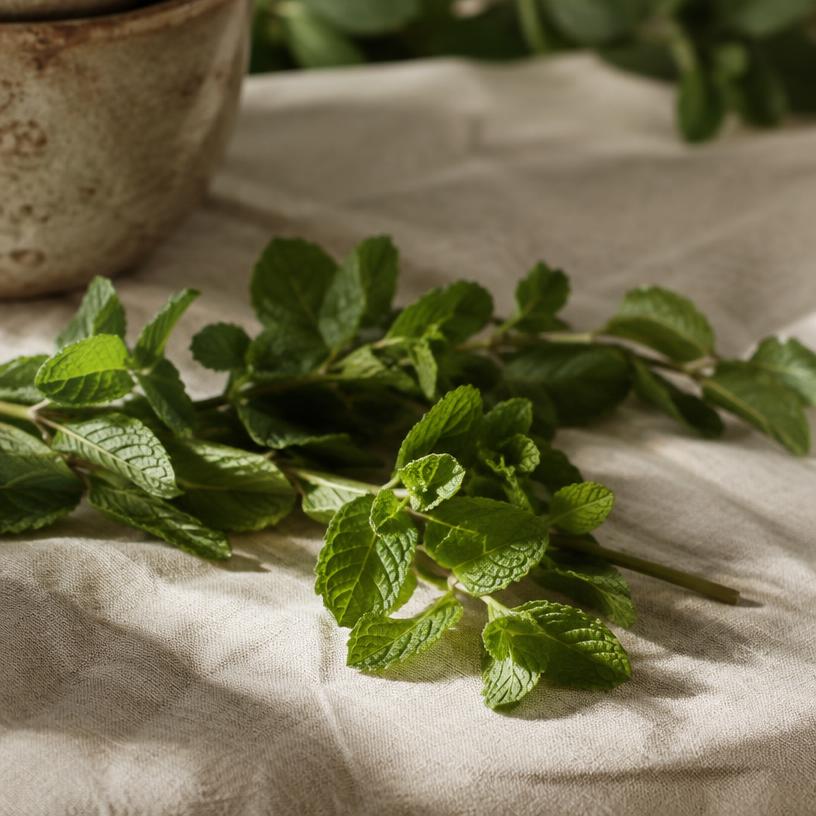
- Mint
- TraditionProsperity and freshness.
- How it's usedRubbed on cash boxes; added to money washes.
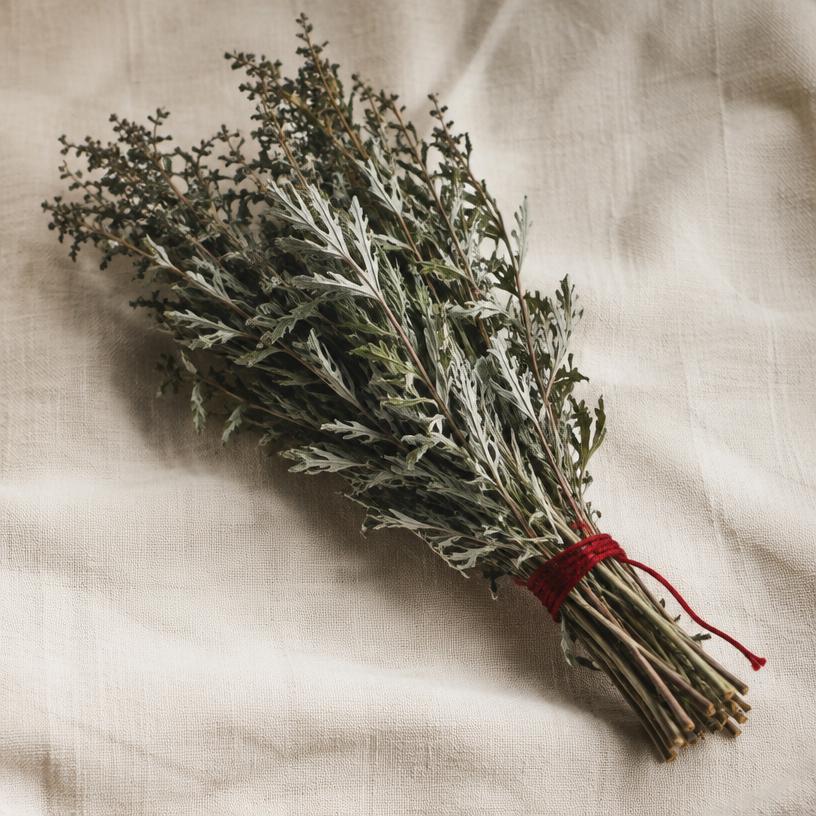
- Mugwort
- TraditionDreams and intuition.
- How it's usedDream pillows; smoke before divination.
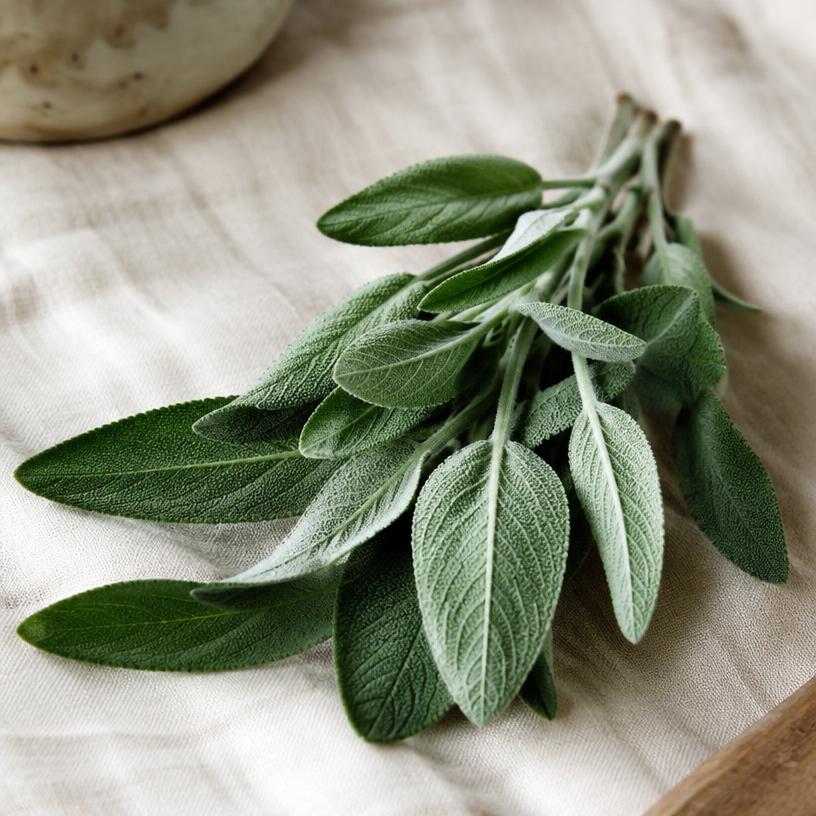
- Sage
- TraditionCleansing and wisdom.
- How it's usedBurned to clear a room after illness or conflict.
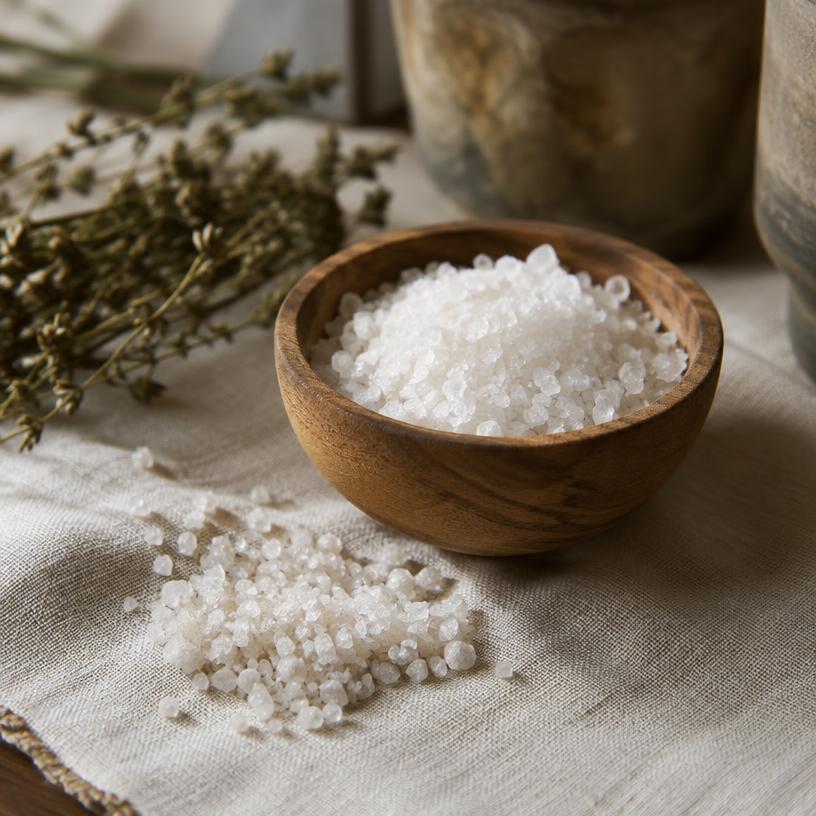
- Salt
- TraditionPurification and protection in nearly every tradition.
- How it's usedLines at thresholds, cleansing baths, protective circles.
Traditional methods
- Sachets and pouches: herbs sewn into cloth and carried or hidden.
- Spell jars: herbs, salt, honey or oil sealed in a jar, often with a candle on top.
- Ritual baths and floor washes: a strong herb tea added to bathwater or a mop bucket.
- Candle magic: a candle carved with a name or symbol, dressed in oil and rolled in herbs.
- Knot magic: tying an intention into thread or cord, one knot at a time.
- Burning and burying: releasing a written wish by fire, or planting it to grow.
Safety
- Many magical herbs are not safe to eat or drink. Rue, mugwort and others can be harmful, especially in pregnancy.
- Patch-test any herb or oil before adding it to a bath.
- Never leave a candle burning unattended.
- Spell work doesn't replace a doctor, lawyer or therapist.
If you'd rather have a spell cast for you by hand, our partner practitioners offer traditional spell work through the shops page.
Keep exploring
See the tarot card meanings, angel oracle cards, playing card meanings, crystals for spells and herbs in witchcraft guides, read the Journal, or visit the shops for a reading or spell from our partner practitioners.