How-To Guide
How to Open and Close a Sacred Space
بقلم Seraphina
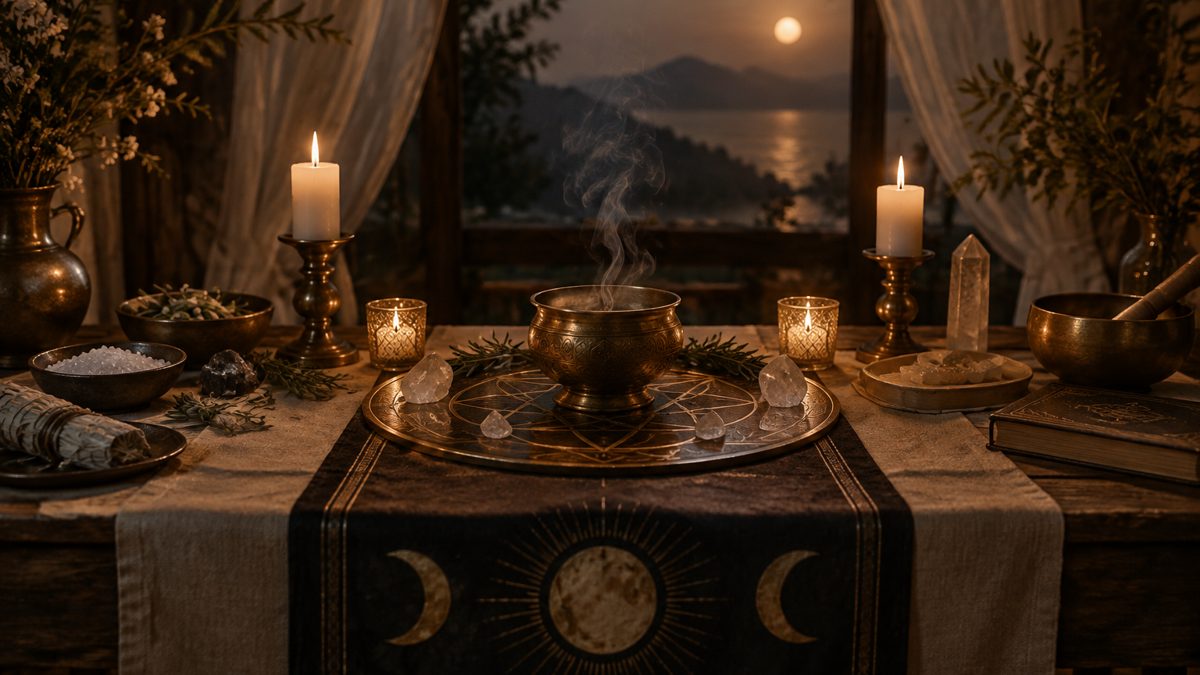
Opening a sacred space is a way of setting ordinary time apart. You might do it before meditation, prayer, seasonal observance, divination, or simply a quiet conversation with yourself. In many spiritual traditions, the process involves preparing a place, stating an intention, and marking a beginning. Closing completes that structure: you acknowledge what happened, bring the practice to an end, and return your attention to daily life.
Sacred does not have to mean elaborate, expensive, or tied to a particular religion. A kitchen chair beside a glass of water can support a meaningful practice, just as a carefully tended altar can. What matters is that the arrangement fits your beliefs, respects other people, and helps you give the moment deliberate attention. You do not need to experience anything unusual for the practice to be worthwhile.
People understand sacred space differently. Some believe they are inviting divine presence, honoring ancestors, or establishing spiritual protection. Others understand the same actions as symbolic boundaries that support concentration and reflection. This guide makes room for those differences without treating supernatural effects as proven or guaranteed. You can adapt the language throughout, including using entirely secular wording.
For Crossroads Journal, I recommend beginning with a small, repeatable practice rather than collecting elaborate instructions. Below, we will explore historical context, practical preparation, opening and closing procedures, a worked example, and ways to reflect afterward. The companion reference page, Sacred Space Tools, can help you compare optional materials, but nothing on a shopping list is a requirement for a sincere beginning.
Looking for the meaning of a single card or ingredient? Keep our أدوات المساحة المقدسة guide open beside you.
1. افهم الغاية من المساحة المقدسة
A sacred space creates a distinction between what you are doing now and everything else competing for your attention. That distinction might be physical, such as laying down a cloth, or temporal, such as reserving ten uninterrupted minutes. Often it is both. The opening tells you that the practice has begun; the closing tells you that it is complete.
Think of the boundary as a container for your attention rather than a barrier you must maintain perfectly. Sounds from outside, wandering thoughts, or a pet entering the room do not automatically spoil the practice. You can notice the interruption, decide whether anything needs attention, and return. If circumstances require you to stop, stopping is a responsible choice.
Choose a purpose narrow enough to guide the session. 'I will reflect on how to approach a difficult conversation' gives you more direction than 'I will solve my whole life.' Suitable purposes include expressing gratitude, sitting with grief, celebrating a transition, or preparing for a devotional practice. A specific intention also makes it easier to recognize when you have done enough.
Sacred space should support your agency, not make you dependent on ritual. You remain free to revise the wording, leave the room, answer an urgent call, or abandon a method that feels wrong for you. No opening statement obliges you to continue. If the practice increases fear rather than offering structure, simplify it or take a break.
2. Learn from history without flattening traditions
Across many cultures, people have distinguished places and times for worship, remembrance, healing, and community ceremony. Household shrines, dedicated religious buildings, pilgrimage sites, and temporary ceremonial spaces illustrate that broad human pattern. Their purposes and rules are not interchangeable, however. A shared interest in sacred place does not mean every tradition teaches the same method of opening one.
Some modern Pagan and ceremonial practices include casting a circle, acknowledging directions, or invoking particular deities. These methods vary between traditions and teachers. They should not be presented as a universal ancient formula. Historical sources, modern adaptations, and personal inventions can all contribute to contemporary practice, but it is helpful to name which kind of material you are using.
وتتنوع الممارسات الشعبية المنزلية بحسب المنطقة والعائلة والدين والحقبة التاريخية. فشمعة أمام صورة تعبدية، أو عتبة يُعتنى بها، أو عادة منزلية موسمية قد تحمل معاني تضيع حين تُنتزع من سياقها. وإن كنت تستكشف تراثًا بعينه، فابحث عن دراسات موثوقة وروايات من أناس متجذرين في ذلك التقليد بدل افتراض أن كل العادات الشعبية تنتمي إلى نظام واحد.
The method in this guide is a flexible contemporary framework, not an initiation into a specific lineage. You may use familiar prayer or inherited household customs where appropriate. Avoid copying ceremonies that require community permission, training, or religious responsibilities you have not undertaken. Respectful curiosity includes accepting that some practices are not yours to reproduce.
3. Gather a few useful materials
Your essential supplies are a reasonably safe place, a little time, and a clear intention. Everything else is optional. A chair, clean surface, and notebook are enough for many sessions. If you enjoy a visual focal point, choose one object that supports the purpose: a stone, family photograph, meaningful image, or ordinary cup reserved for quiet reflection.
Light can help mark the occasion, but an LED candle works well when open flames are unsuitable. A small bowl of water may symbolize clarity or renewal. A bell can mark the beginning and end, though a spoken sentence or a gentle tap on the table serves the same structural role. Choose items for their meaning and usefulness rather than supposed necessity.
For your first session, limit yourself to three or four objects. Too many materials can turn preparation into a complicated test of whether everything is correct. Sacred Space Tools offers a companion reference for exploring options later. Begin by learning what helps you concentrate; add objects only when you can explain what they contribute.
Keep symbolic materials separate from food and drink. Water placed on an altar may collect dust or contain unsafe additions, so do not assume it is suitable for drinking. If you want a drink afterward, set out a separate clean glass. Label any herbal preparations clearly, and keep small objects, oils, matches, and breakable vessels away from children and animals.
4. Choose and prepare the location
اختر مكانًا تستطيع الجلوس أو الوقوف فيه براحة دون سدّ مدخل أو خلق خطر تعثر. الغرفة الخاصة مريحة، لكن الخصوصية ليست أساسية إن كانت الممارسة هادئة وغير لافتة. وفي البيت المشترك قد يكون ترتيب مؤقت على صينية أكثر عملية من مذبح دائم يشغل مساحة مشتركة.
Clean enough to make the area usable, not immaculate. Move clutter away from your feet, wipe the surface, and make room for your materials. Physical cleaning is a straightforward preparation with practical benefits. If you also regard it as symbolically clearing old concerns, that meaning can sit alongside the ordinary task without requiring claims about invisible contamination.
Consider sound, light, temperature, and access. Silence phone notifications if you can, while allowing urgent contacts through when needed. Use lighting that lets you move safely. Keep mobility aids within reach, and choose a posture that suits your body. You do not need to kneel, stand for long periods, or sit on the floor to make the space meaningful.
Outdoors, follow local access rules and choose durable ground away from fragile plants or nesting wildlife. Check weather, daylight, and fire restrictions. Avoid leaving candles, ribbons, crystals, food, or offerings behind. A place can matter deeply without being altered. In public settings, keep your belongings compact and avoid claiming exclusive use of a shared area.
- 1. Select a stable surface and a comfortable place to sit or stand.
- 2. Clear walking routes and remove immediate hazards.
- 3. رتّب فقط المواد التي تتوقع استخدامها، وأبقِ دفترًا قريبًا منك.
- 4. Decide on a session length and, if useful, set a gentle timer.
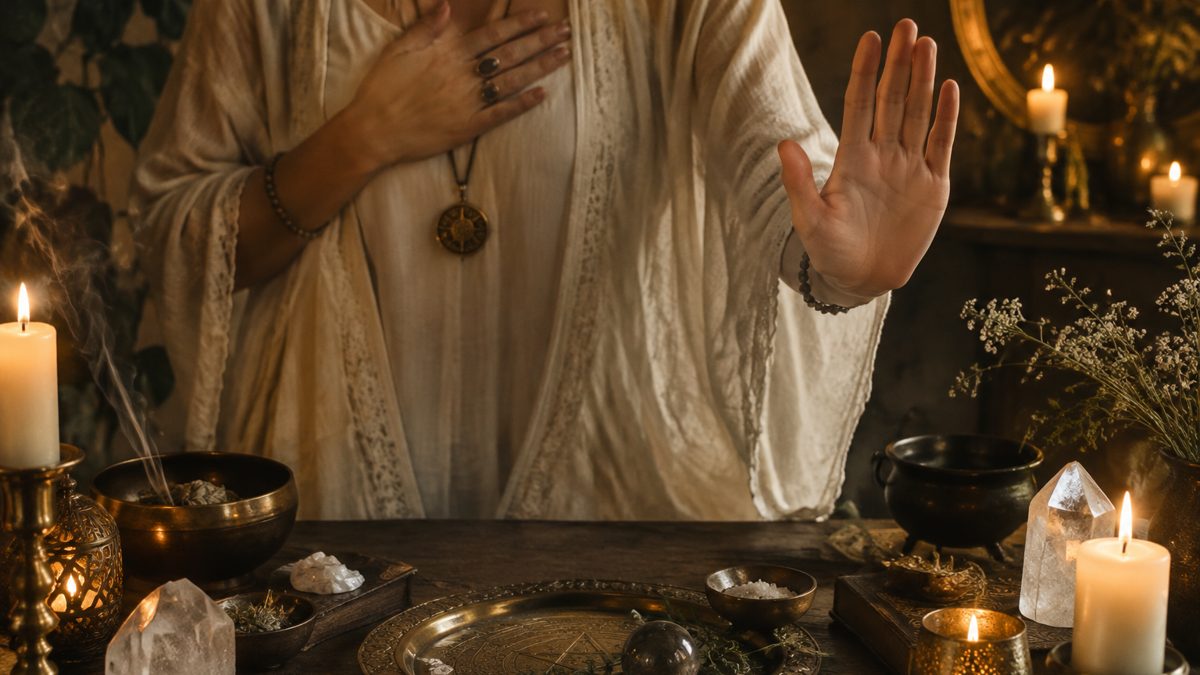
5. جهّز نفسك وأعلن حدودك
Before opening, check your ordinary needs. Are you thirsty, cold, exhausted, or overdue for a meal? Addressing those needs is not a distraction from spiritual practice; it makes the practice more manageable. Avoid beginning when intoxicated or too tired to supervise a flame. A brief session when you are comfortable is preferable to an ambitious one when you are struggling.
Let your breathing remain natural. You might notice three easy breaths and the support beneath your feet or body. There is no need to hold your breath, breathe rapidly, or force yourself into an altered state. If focusing inward makes you uncomfortable, keep your eyes open and describe a few ordinary objects you can see instead.
اذكر غايتك وحدودك العملية معًا. مثلًا: «آخذ خمس عشرة دقيقة للنظر فيما أحتاج إليه هذا الأسبوع. وسأتوقف إن شعرت بالإرهاق». وإن كانت اللغة الروحية تلائم معتقداتك فيمكنك إضافة دعاء للحكمة أو العناية. وأبقِ الصياغة مفهومة وخالية من وعود لا تنوي الوفاء بها.
قرّر كيف ستتعامل مع المقاطعات قبل أن تحدث. يمكنك أن تتوقف بصمت، وتعالج الأمر، وتستأنف بجملة واحدة، أو تنهي الجلسة كليًا. فهذا يمنع ضجيجًا مفاجئًا من أن يصبح أزمة. ويمكنك أيضًا اختيار قاعدة شخصية بسيطة: لا التزامات كبرى ولا رسائل ولا قرارات مالية حتى تنتهي وتتأمل.
6. Open the space step by step
The opening establishes a beginning, a purpose, and a boundary for your activity. It need not be dramatic. Perform the following sequence slowly enough to notice what you are doing, but do not worry about exact timing. If a phrase feels awkward or conflicts with your beliefs, replace it with something that feels sincere.
A symbolic boundary can be as simple as the edges of your cloth or the area around your chair. You do not have to walk a circle, scatter a line of salt, or visualize a perfect wall of light. If you enjoy visualization, imagine a comfortable boundary as a personal focusing exercise rather than proof that physical dangers cannot reach you.
Invitations are optional. In an established devotional practice, you might address a deity or honor ancestors according to familiar customs. A secular alternative is to name qualities such as patience, courage, and honesty. You are not required to invite unspecified beings or forces. Avoid language that creates obligations you do not understand or do not want.
Finish the opening with a clear statement that the space is ready. After that, begin the activity you planned instead of repeatedly checking whether the opening worked. The useful signs are ordinary ones: you know your purpose, you have made time for it, and you can proceed safely. Sensations, visions, or dramatic changes in mood are not admission requirements.
- 1. Settle into a comfortable posture and notice the room around you.
- 2. Mark the beginning by switching on a light, sounding a bell softly, or saying, 'I begin this time of reflection.'
- 3. اذكر نيّتك في جملة أو جملتين.
- 4. Identify your symbolic boundary: 'For this practice, this small area is set aside for quiet attention.'
- 5. قدّم دعاءً أو إقرارًا أو بيانًا اختياريًا بالصفات التي ترغب في جلبها.
- 6. Say, 'The space is open for this purpose,' and start your chosen activity.
7. اعمل داخل المساحة دون إجبار تجربة
Once the opening is complete, keep the main practice simple. You might meditate, read a prayer, write about a question, or observe a seasonal object. Choose one activity rather than trying to fit every spiritual interest into the session. A clear focus lets the opening serve its purpose instead of becoming an elaborate prelude to an unfocused hour.
If you use divination, treat its images or themes as prompts for reflection rather than verified predictions. A card, symbol, or intuitive impression can suggest questions worth considering, but it should not replace evidence, informed judgment, or professional advice. Avoid making medical, legal, or financial decisions solely from something that occurs during a ritual.
Thoughts will wander. You may remember laundry, feel restless, or notice boredom. None of this means the space has failed. Gently return to the activity, or write the distracting task on a separate slip of paper for later. If the practice is becoming an exercise in self-criticism, reduce its length and choose a simpler task.
Strong emotion can also arise, especially during remembrance or grief work. You can cry, pause, change position, or end early. If you feel disoriented or overwhelmed, look around, name where you are, and attend to immediate physical comfort. Spiritual practice can complement support, but it is not a substitute for mental health care when distress is persistent or severe.
8. Close the space clearly and calmly
Closing gives the session a definite ending. It can include gratitude, a statement of completion, and the ordinary actions of putting things away. You do not need to feel entirely resolved before you close. A useful session may end with an unanswered question, a difficult feeling, or a decision to seek more information.
إذا قدّمت إقرارات تعبدية، فاختمها بطريقة تتسق مع تقليدك. وفي الممارسة الشخصية يكفي شكر بسيط. وتجنّب التعامل مع الصياغة على أنها كلمة سر خطيرة يجب تلاوتها بإتقان. فمن الناحية العملية، المهم أن تدرك أن النشاط قد انتهى وأن بإمكانك العودة إلى مسؤولياتك المعتادة.
Some traditions prescribe a particular order for releasing directions or closing a circle. Follow that structure if it belongs to your established practice. This general method requires no special direction of movement. You can simply acknowledge that the symbolic boundary is ending, remove the focal objects, and let the room resume its everyday use.
If you forgot to close earlier, do not panic. You can acknowledge the ending now and check for practical issues such as an unattended candle, spilled water, or materials within a pet's reach. Forgetting a closing phrase is not evidence that something harmful has happened. Use the experience to make your next routine easier to remember.
- 1. Stop the main activity and take a moment to notice how you feel.
- 2. Offer any appropriate thanks or devotional farewell.
- 3. Say, 'This practice is complete. I release this boundary and return to everyday attention.'
- 4. Extinguish candles fully, switch off ritual lights, and check the area.
- 5. Put materials away and dispose of temporary items responsibly.
- 6. Drink clean water if wanted, stretch gently, and choose one ordinary next task.
9. اتبع مثالًا تطبيقيًا
تخيّل ممارسة مسائية مدتها خمس عشرة دقيقة تركّز على التحضير لحوار صعب. تستخدم كرسيًا وشمعة LED ودفترًا على طاولة المطبخ. والهدف ليس التحكم في استجابة شخص آخر ولا ضمان الاتفاق، بل توضيح ما تريد قوله وتحديد خطوة تالية محترمة.
First, clear enough table space to write comfortably. Let anyone sharing the room know you would appreciate a few quiet minutes, without insisting that they participate. Sit down, feel the chair supporting you, and switch on the candle. Say, 'I am setting aside this time to approach tomorrow's conversation with honesty and care.'
Mark the tabletop as your temporary boundary, then write three headings: what happened, what I feel, and what I can request. Spend a few minutes separating observable events from assumptions about the other person's motives. If you notice anger or anxiety, name it without turning it into proof that the conversation will go badly. Draft one sentence that expresses your request clearly.
عندما يرن المؤقّت، اقرأ جملتك مرة واحدة. اشكر نفسك على تخصيص الوقت، أو قدّم إقرارًا تعبديًا مناسبًا. قل إن الجلسة اكتملت، وأطفئ الشمعة، وضع الدفتر جانبًا. وفي وقت لاحق، راجع المسودة بحكم عادي. فقد تكون النتيجة العملية طلبًا أوضح، لا علامة غامضة ولا وعدًا بشأن الحوار.
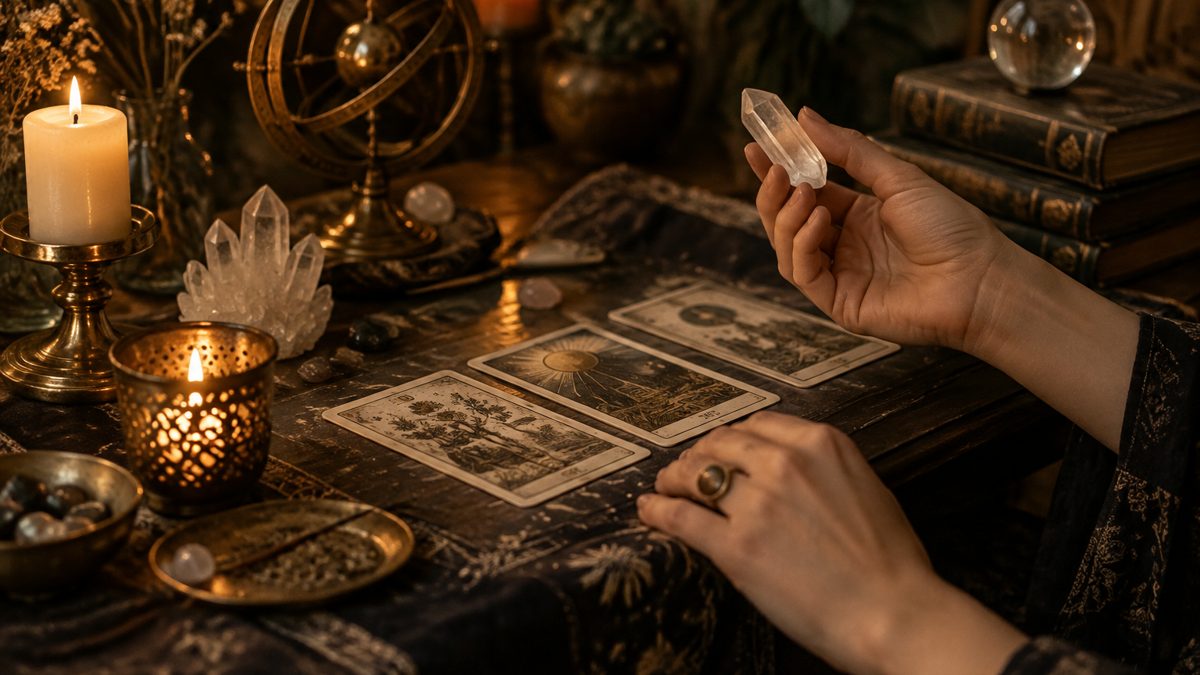
10. Interpret results without overreading them
Begin with observable results. Did the opening help you start? Did the boundary reduce distractions? Did the closing make it easier to stop thinking about the activity and move on? These questions offer a more reliable assessment of your routine than searching for extraordinary confirmation. A quiet, uneventful session can still have served its purpose.
Physical sensations have many possible explanations. Warmth, tingling, chills, tears, or a sense of spaciousness may relate to posture, temperature, expectation, emotion, or attention. You can record them without settling immediately on a cause. If you interpret an experience spiritually, identify that as your interpretation rather than presenting it as established fact.
وبالمثل، فإن ارتعاش الشمعة وأنماط الدخان وضجيج البيت لها أسباب عادية، منها تيارات الهواء وحالة الفتيل والتهوية وحركة المبنى. تحقق من مسائل السلامة أولًا. ولا تواصل استخدام شمعة تدخّن لمجرد أن سلوكها يبدو ذا معنى. فسقوط غرض أو عطل مؤقّت لا يحمل تلقائيًا تحذيرًا أو رسالة.
Look for patterns across several sessions rather than drawing large conclusions from one evening. Perhaps silence helps you more than music, or morning practice feels easier than late-night reflection. If the practice repeatedly leaves you frightened, preoccupied with signs, or unable to return to daily tasks, pause it and consider talking with a trusted person or qualified professional.
11. Recognize and correct common mistakes
A common beginner's mistake is overcomplication. Elaborate tools, unfamiliar prayers, and long sequences can make the practice feel like an examination. Reduce the routine to a beginning signal, an intention, one activity, and a closing statement. Once that structure feels comfortable, you can decide whether anything else genuinely improves it.
ومن الأخطاء الأخرى اعتبار الانزعاج دليلًا على أنك مضطر إلى مزيد من الطقوس. فإعادة الفتح أو إعادة التطهير أو ترديد عبارة حتى تبدو مثالية قد يخلق دورة من التحقق بدل الطمأنينة. ضع روتينًا متواضعًا واسمح له أن يكتمل. وإذا صار التكرار صعب المقاومة أو تداخل مع حياتك اليومية، فاطلب الدعم بدل إضافة قواعد جديدة.
Borrowed language can also get in the way. If you do not believe in the beings or cosmology named in a script, reciting it may feel hollow or unsettling. Use language you understand. Respect for tradition does not require pretending to belong to it; a transparent personal practice is better than claiming authority or ancestry you do not have.
وأخيرًا، تجنّب تخطي العودة العادية. فالانتقال مباشرة من طقس عاطفي إلى جدال أو قيادة أو عمل مُجهد قد يتركك مشتتًا. امنح نفسك بضع دقائق لإعادة التوجه عند الحاجة. وفي المقابل، لا تجعل التأريض شرطًا صارمًا آخر: ففي بعض الأحيان يكفي أن تضع الدفتر جانبًا وتغسل فنجانك لتحصل على الانتقال الذي تحتاجه.
12. Keep safety, consent, and environmental care central
For candles, use stable, heat-resistant holders well away from curtains, paper, loose clothing, and anything else that can burn. Never leave a flame unattended, and do not burn materials in an ordinary bowl or glass. Keep suitable fire-safety equipment available and follow local restrictions. When children, pets, fatigue, or limited space create uncertainty, choose a flameless light.
Smoke and fragrance are optional, not signs of authenticity. Incense, burning herbs, and essential oils can irritate breathing or cause other problems; some are especially hazardous around animals. Choose smoke-free and fragrance-free methods when suitability is uncertain. Do not ingest herbs, oils, ritual salt, or unknown preparations, and check with a qualified clinician or pharmacist before using medicinal herbs.
لا تسكب الماء المالح على النباتات أو التربة، فالملح قد يضر بالنمو. وتجنّب إطلاق الشمع أو الزيوت أو البريق أو قرابين الطعام في المجاري المائية أو الأماكن المفتوحة. تخلّص من المواد بحسب محتوياتها والإرشادات المحلية. وكثيرًا ما يكون الماء العادي والامتنان المنطوق أبسط البدائل. ولا تترك قربانًا أبدًا حيث قد تأكل الحياة البرية شيئًا ضارًا أو تعتاد على طعام البشر.
Obtain consent before including another person, using their belongings, touching them, or making recordings. In groups, explain what will happen and make participation optional. Do not claim a ritual can override someone's consent, cure illness, or replace practical protection from danger. A meaningful sacred boundary never substitutes for locks, safeguarding, medical care, or a real-world safety plan.
13. Journal, review, and build a sustainable practice
Keep your journal brief enough that you will actually use it. Record the date, approximate duration, intention, materials, and main activity. Add a few words about how you felt before and afterward. You do not need polished prose or an account of every sensation. A short factual record often reveals useful patterns more clearly than an elaborate narrative.
Separate observation from interpretation. 'I felt calmer after writing' records an experience; 'my prayer was answered' expresses a spiritual interpretation. Both can belong in a personal journal if you distinguish them. Include ordinary context, such as poor sleep, background noise, or an unusually stressful day, so later reflection does not attribute every change to the ritual.
After several sessions, review one question at a time. Was the length manageable? Did you use every object? Did the closing help you move on? Change one element and see whether the practice becomes more comfortable or useful. Keep sensitive journals private, especially if they contain other people's information, and avoid recording details you have no legitimate reason to preserve.
Let repetition build familiarity rather than obligation. You may practice daily, seasonally, or only when you need a deliberate pause. Missing a session creates no debt. The enduring skill is learning to begin with intention, remain attentive without forcing an experience, and finish with care. A sacred space can be modest, temporary, and entirely your own while leaving room for the life around it.
- 1. Write one sentence describing what you intended to do.
- 2. سجّل ما حدث فعلًا، مع إبقاء الملاحظات منفصلة عن التفسيرات.
- 3. Note any practical or safety adjustment for next time.
- 4. Choose one useful next action, then let the session be finished.
These practices are shared as tradition and personal reflection, not as a substitute for medical, legal or financial advice.
واصل التعلّم
- أدوات المساحة المقدسة
- How to read tarot cards
- How to use angel oracle cards
- كيف تقرأ أوراق اللعب
- كيف تستخدم البلّورات في التعويذات
- كيف تستخدم الأعشاب في السحر
- How to read the Dr. Moorne Egyptian Tarot
- How to read dice
- How to read tea leaves
- كيف تستخدم البندول
- كيف تلقي تعويذة بالشموع
- How to make a spell jar
- How to make a sigil
- How to cleanse your home
- How to set up an ancestor altar
- How to open a sacred space
- How to time spells with the moon
- How to work with water and salt
- How to make a protection charm bag
- Read the Journal or visit the shops