How-To Guide
How to Read Dice for Divination
بقلم Seraphina
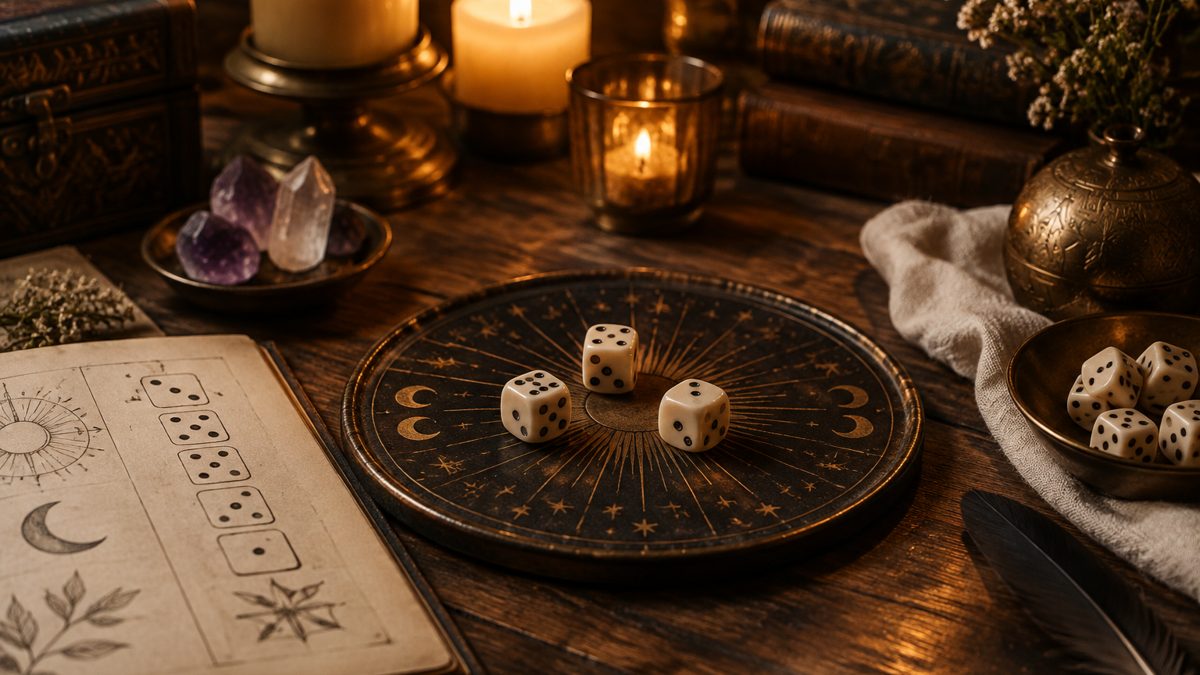
A handful of dice can turn an ordinary tabletop into a place for reflection. Their appeal is simple: you ask a question, let the dice fall, and consider what their numbers might suggest. In divination, this becomes a symbolic conversation with uncertainty rather than a reliable way to establish facts or predict what must happen.
يُسمّى العرّافة بالنرد غالبًا «الكليروماني»، مع أن هذا المصطلح يشمل عائلة أوسع من الممارسات التي تتضمن رمي القرعات. يتناولها بعضهم روحيًا، بوصفها وسيلة لطلب الإرشاد عبر معتقداتهم، ويستخدمها آخرون محفّزًا إبداعيًا يقطع التفكير المعتاد. لا حاجة إلى حسم هذه المسألة الفلسفية قبل تعلّم الطريقة العملية.
This guide uses ordinary six-sided dice and a clearly defined reading system. It is an approachable modern framework, not a claim to recover one universal ancient tradition. You will learn how to prepare, choose a useful question, cast the dice, interpret a result, and translate your reflections into a sensible next step.
Keep the companion reference page, Dice Divination Meanings, nearby when you want to explore number symbolism in more depth. Here, the emphasis is on how to conduct a complete reading without becoming overwhelmed by competing rules. The aim is a practice that feels thoughtful, grounded, and genuinely useful, whether you read occasionally or keep a regular journal.
Looking for the meaning of a single card or ingredient? Keep our Dice divination meanings guide open beside you.
1. Understand the History Without Flattening the Traditions
People have used lots, marked objects, knucklebones, and dice-like pieces for decision-making and divination in many societies. These objects are related in function, but they are not interchangeable. A bone cast in a ritual setting, a numbered gaming die, and a sacred lot drawn by a religious specialist can belong to very different systems of meaning.
في البحر المتوسط القديم، استُخدمت الأستراغالي، أي عظام كاحل الحيوانات، في الألعاب وبعض ممارسات العرافة. وقد خلق شكلها غير المنتظم نظام رمي يختلف عن النرد المكعب الحديث. وتتضمن الأدلة الباقية أيضًا عرّافات مرقمة مرتبطة بالرميات. ويُظهر هذا التاريخ أن رمي الأغراض طلبًا للإرشاد قديم، لكنه لا يثبت وجود طريقة واحدة متصلة يشترك فيها كل قارئ حديث.
The word cleromancy is useful as an umbrella term for divination by lots. Astragalomancy refers more specifically to divination associated with knucklebones, although popular modern writing sometimes uses it loosely for dice reading. Terminology varies between sources, so look for an explanation of the actual objects and rules rather than assuming a label tells the whole story.
When studying a particular tradition, ask who recorded it, where it was practiced, and whether the source distinguishes historical evidence from later interpretation. Respect community boundaries around restricted religious practices. You can create a personal dice ritual without presenting it as inherited Slavic, Greek, Roman, or any other culturally specific practice you have not actually learned.
2. Gather a Simple, Reliable Reading Kit
Begin with three ordinary six-sided dice, a notebook, and a flat surface. Different-colored dice make positional readings easier because you can assign a separate role to each color. If yours are identical, roll them individually into labeled spaces instead. The goal is to know which die answers which part of the question without rearranging the result afterward.
اختر نردًا بوجوه واضحة مقروءة وبلا تلف ظاهر. ونرد الألعاب المتوازن خيار عملي؛ ولا حاجة إلى أحجار باهظة أو رموز متقنة. قد يكون النرد الزخرفي جميلًا، لكن الحواف المستديرة أو الصنعة غير المتساوية أو العلامات العسيرة القراءة قد تجعل النتائج أقل وضوحًا. ولا تتفوق مادة بعينها على غيرها بميزة خارقة مثبتة.
A shallow tray or folded cloth can keep the dice from bouncing across the room. Leave enough room for them to tumble rather than simply slide out of your hand. A small cup is useful if gripping or shaking dice is difficult. You can also use a digital random-number generator, provided you decide its settings and rules before beginning.
قد تشمل الأغراض الاختيارية صورة ذات معنى، أو شمعة غير مشتعلة، أو رمزًا صغيرًا مرتبطًا بسؤالك. عامِل هذه الأغراض بوصفها دعائم شخصية للانتباه، لا مصادر قوة لازمة. وينبغي أن تبقى عدّتك الأساسية سهلة الاستخدام وميسورة ومتاحة. فالإعداد المعقد كثيرًا ما يخلق فرصًا للتشتت أكثر من طاولة عادية وثلاثة نردات.
3. Choose Your Rules Before You Cast
تصبح القراءة أوضح حين يُحسم المنهج قبل أن ترى الأرقام. في هذا الدليل، استخدم ثلاثة نرود بأدوار ثابتة: الوضع، والتحدي، والاستجابة المفيدة. اقرأ كل نرد على حدة باستخدام موضوعات الأرقام الستة نفسها. وهذا يمنحك بنية شبيهة بالجملة الكاملة بدلًا من مجموع غير مفسَّر قد يعني أي شيء تقريبًا.
معانينا العملية عريضة عمدًا: الواحد يوحي بالمبادرة؛ والاثنان بالعلاقة أو التوازن؛ والثلاثة بالتعبير أو النمو؛ والأربعة بالبنية؛ والخمسة بالتغيير أو الاحتكاك؛ والستة بالرعاية أو المسؤولية. وهذه خيارات تفسيرية لهذه الطريقة، لا قوانين عامة. دوّنها حتى لا تغيّر معناها بهدوء لتناسب جوابًا تفضّله.
Other systems read the sum of several dice, use a marked casting cloth, or assign special meanings to doubles and triples. Those approaches can be valid parts of a chosen symbolic practice, but they should not be mixed casually. A meaning written for a total of eleven does not automatically explain an individual die, and positional rules cannot be reconstructed after a cast.
For your first several readings, ignore where dice land beyond keeping them inside the tray. Do not add bonus meanings for proximity, direction, noise, or the time on the clock. You can experiment later, but a stable starting framework makes it easier to learn what you are actually doing and recognize where your own interpretation enters.
- 1. Assign one die or labeled space to situation, one to challenge, and one to helpful response.
- 2. Copy the six working meanings into your notebook before casting.
- 3. Decide that a die outside the tray, stacked on another die, or tilted without a clear upper face will be rerolled by itself.
- 4. Set a limit of one main cast and, only if necessary, one clearly framed clarifying cast.
4. Ask a Question That Leaves Room for Choice
The most useful questions focus on something you can examine or influence. Instead of asking whether your life will improve, ask what deserves attention as you work toward a specific goal. Instead of asking what another person secretly thinks, ask how you can communicate more clearly or decide what boundaries you need in that relationship.
تناسب الأسئلة المفتوحة القراءات الرمزية عادةً أكثر من المطالبة بحكم بنعم أو لا. يمكن لرقم أن يدعوك إلى التفكير في البنية أو التفاوض أو التغيير، لكنه لا يستطيع التحقق من حالة طبية، ولا كشف محادثة خاصة، ولا إثبات ما إذا كان شخص ما جديرًا بالثقة. تعامل مع هذه المسائل بوصفها أسئلة تحتاج إلى أدلة أو نقاش مباشر أو مشورة مهنية مناسبة.
Give the reading a reasonable scope. What will help me prepare for next week's conversation is easier to explore than what is my destiny. A timeframe describes the period you intend to reflect on; it does not make the dice capable of forecasting events within that period. Narrowing the question simply makes your interpretation less vague.
Write the question exactly as you intend to ask it. If it contains several separate problems, choose one or plan separate readings on another occasion. You may discover that the act of refining the question already provides useful clarity. That is not a failed divination session; it is one of the practical benefits of slowing down.
- 1. سمِّ الموضوع في جملة واحدة، مثل التحضير لنقاش صعب.
- 2. Identify what is within your control: preparation, communication, timing, or boundaries.
- 3. Turn the concern into an open question beginning with what or how.
- 4. تأكد من أن السؤال لا يطلب من النرد تقديم حقائق تحتاج إلى التحقق منها في مكان آخر.
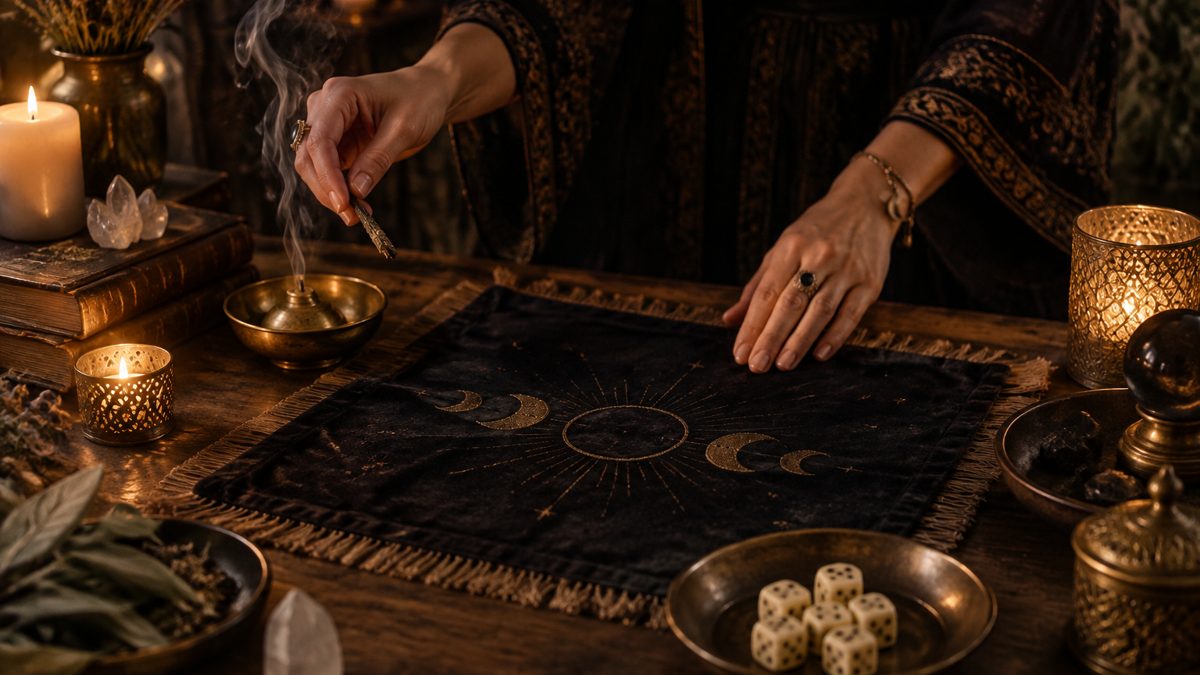
5. Prepare Yourself and the Reading Space
اختر مكانًا تستطيع الجلوس فيه براحة وسماع أفكارك. أفرغ مساحة كافية للصينية والدفتر، ثم ضع الإشعارات المشتتة جانبًا إن أمكن ذلك. لا تحتاج إلى صمت تام ولا مزاج مثالي. فالتحضير ببساطة وسيلة لتمييز هذه الفترة من التأمل المتعمد عن بقية يومك.
Notice your emotional state before starting. If you are frightened, exhausted, angry, or urgently hoping for one particular answer, name that in your notes. You may still choose to reflect, but consider postponing the cast when disappointment would feel unbearable. Dice are not a dependable way to regulate a crisis or obtain certainty under pressure.
Some practitioners like to cleanse their tools symbolically. A dry cloth, a spoken intention, or a minute of quiet can serve that purpose without smoke or liquids. If cleansing has spiritual meaning for you, frame it as your ritual belief. Dice do not need supernatural purification to function as randomizing objects or reflective prompts.
Keep physical safety straightforward. An electric candle avoids an open flame; if using a real candle, place it in a stable holder away from fabric and never leave it unattended. Smoke can aggravate respiratory conditions and affect pets. Avoid soaking dice in salt water, which may damage finishes or metal, and do not pour salt water onto plants or garden soil.
6. Cast the Dice: A Complete Step-by-Step Method
Once your question and rules are ready, take a few ordinary, comfortable breaths. Read the question aloud or silently. You may add an intention such as wanting to see the situation more clearly, but special wording is unnecessary. Avoid promising yourself that the cast will reveal an unquestionable truth; that expectation makes ordinary ambiguity harder to handle.
Shake the dice in your hand or cup and release them onto the prepared surface. If you are using identical dice, cast one at a time into the corresponding labeled spaces. Let each die settle naturally. There is no required number of shakes, no ideal casting hand, and no need to repeat the action until it feels sufficiently dramatic.
Record the raw result before interpreting anything. Write the role and number together, such as situation four, challenge two, helpful response five. This preserves the actual cast and prevents later memory from blurring into the story you developed. If a die needed rerolling under your advance rules, record that briefly without treating the mishap as an omen.
اقرأ الآن موضعًا واحدًا في كل مرة، ثم اربط بينها. ابدأ بموضوع الرقم المجرد، وتأمل كيف يمكن لذلك الموضوع أن يظهر في دوره المحدد، وقارن التفسير بما تعرفه بالفعل. واختم بخطوة متواضعة بدلًا من تنبؤ. ينبغي أن تترك لك الجلسة الجيدة شيئًا تتأمله أو تجربه، لا أمرًا تشعر بأنك ملزم بطاعته.
- 1. Date the entry and copy your question and positional assignments.
- 2. Settle your attention and cast the three dice using the method you chose.
- 3. Apply only your prewritten rules for unclear or out-of-bounds dice.
- 4. Record every number in its correct position before consulting meanings.
- 5. Interpret the positions separately, then write a short combined reading.
- 6. Choose one proportionate next step and close the session.
7. اقرأ الأرقام الستة في سياقها
One can prompt questions about beginnings, independence, initiative, or excessive self-reliance. Two can point toward partnership, exchange, balance, or hesitation between alternatives. Neither is automatically favorable or unfavorable. In a challenge position, one might invite you to examine whether you are carrying everything alone, while two might raise the issue of compromise that has become avoidance.
Three can suggest expression, experimentation, social connection, or scattered effort. Four can suggest routines, foundations, limits, or rigidity. If four appears as helpful response, you might benefit from a schedule or clear agreement. If it describes the challenge, the same number may invite you to question a rule that no longer serves its purpose.
Five can suggest movement, disruption, curiosity, or friction. Six can suggest care, responsibility, repair, or overextension. A five is not a warning that disaster is coming, and a six does not guarantee harmony. Their usefulness lies in the questions they generate: what needs to change, whose needs are being considered, and which responsibilities are genuinely yours?
Use the companion page, Dice Divination Meanings, to deepen your vocabulary, while checking that any interpretation matches the method you chose. Readings become richer through specificity, not through collecting every possible association. For each number, select one or two themes that fit the position and explain why. If nothing fits, it is acceptable to leave the result unresolved.
8. Follow a Worked Example From Question to Action
تخيّل أنك تستعد لمناقشة الأعمال المنزلية غير المتكافئة مع شريك سكن. سؤالك: كيف يمكنني مقاربة حوار هذا الأسبوع حول تقاسم العمل المنزلي بشكل أكثر بناءً؟ وهذا مناسب لأنه يتعلق باستعدادك وسلوكك. فهو لا يطلب من النرد كشف دوافع شريك السكن الخاصة ولا ضمان نتيجة النقاش.
Suppose the cast is situation four, challenge two, and helpful response five. Four suggests looking at existing structure: perhaps there is no agreed schedule, or tasks have accumulated around whoever notices them first. That is a hypothesis to compare with your experience. The die itself does not establish that your household arrangements are unfair or ineffective.
Two in the challenge position suggests examining negotiation and balance. You might realize you have been avoiding disagreement by saying everything is fine. Alternatively, both people may have different understandings of equal effort. Five as helpful response invites flexibility and a change in approach, perhaps trying a new task arrangement rather than arguing over who is naturally more responsible.
The combined reading could be: Make the current arrangement visible, discuss differences directly, and propose a short experiment. Your practical action is to list recurring tasks, ask for the housemate's perspective, and agree on a two-week trial with a review date. This is a reasonable plan even without divination, which is a useful test of whether the reading supports sound judgment.
- 1. Write down known facts separately from assumptions about the other person.
- 2. Translate each number into a question relevant to its position.
- 3. Combine the answers into a tentative interpretation, using language such as might or could.
- 4. اختر فعلًا عمليًا وقيّمه لاحقًا من خلال الحوار الفعلي، لا من خلال رمية أخرى.
9. تعامل مع التكرارات والتناقضات والتوضيحات
Repeated numbers naturally attract attention, but repetition is not evidence of an urgent message. If two or three dice show the same number, you can explore that theme across the assigned roles. Three fours, for instance, might invite reflection on structure as the present condition, excessive rigidity as the challenge, and a better-designed routine as the response.
Different numbers can appear to pull in opposite directions. Four may suggest stability while five suggests change. Rather than forcing one to cancel the other, ask whether they describe different needs: maintaining a dependable foundation while changing one unhelpful habit. The assigned positions help you distinguish these functions without inventing a secret rule to resolve the tension.
If you choose a sum-based method later, remember that totals from multiple dice are not equally likely. With two fair six-sided dice, seven has more possible combinations than two or twelve. Likewise, striking patterns eventually occur by chance. Probability does not prevent symbolic reflection, but it does undermine claims that an ordinary repeat proves a supernatural intervention.
Use a clarifier only when you can name what remains unclear. Under this guide's rules, one additional single die may answer: What quality could help me carry out the response? Use the same six meanings. If the result adds confusion, stop rather than building a chain of clarifiers. Uncertainty is a legitimate conclusion, not a fault that endless casting will necessarily fix.
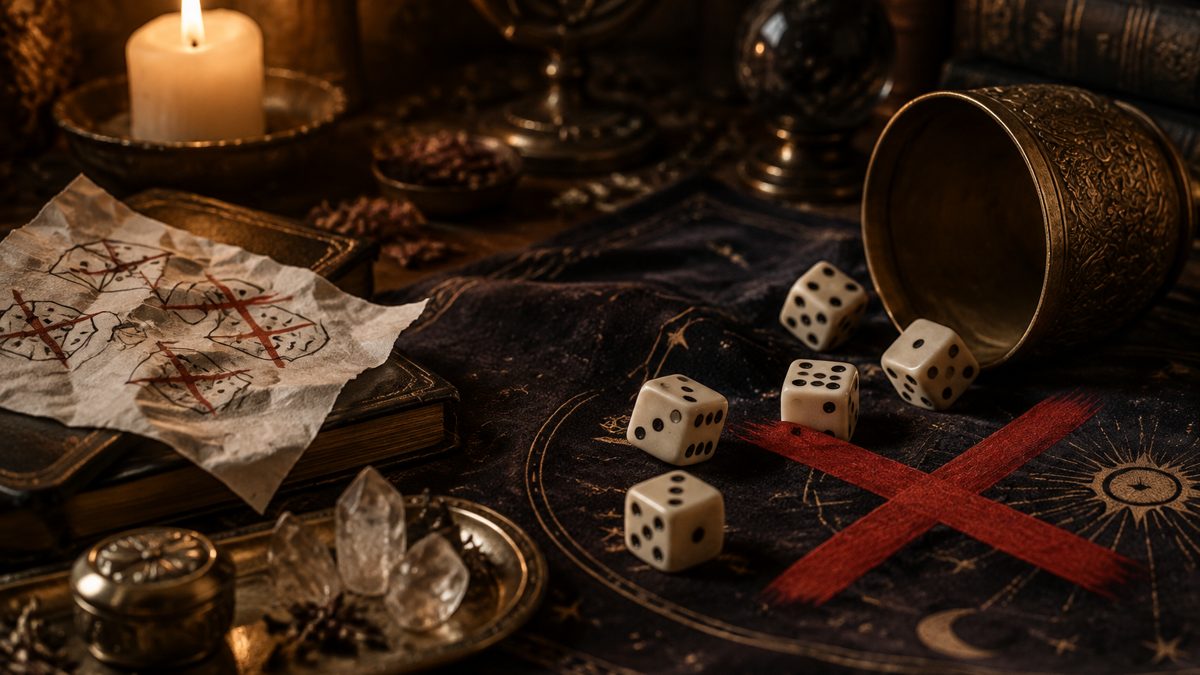
10. Avoid the Most Common Reading Mistakes
أسهل الأخطاء هو إعادة الرمي حتى تحصل على ما يريحك. فهذا يحوّل الممارسة إلى بحث عن إذن، ويجعل النتائج غير المرغوبة تبدو مهددة. التزم بنقطة التوقف المتفق عليها. وإن أزعجتك القراءة الأولى، فضعها جانبًا وافحص ردة فعلك بدل أن تعدّ رمية أخرى الطريق الوحيد لاستعادة السلام.
Another mistake is changing the interpretive system after seeing the result. A reader might begin with individual numbers, switch to totals, then add doubles or spatial directions because one version sounds more appealing. Experimentation is fine when it is planned and recorded. Retrofitting rules makes it difficult to tell whether a method is helpful or merely accommodating.
Watch for confirmation bias: the tendency to notice matches and overlook misses. Broad statements can fit many situations, especially after events have occurred. Write your interpretation before the outcome is known, include plausible alternatives, and record when a reading was vague or unhelpful. Honest uncertainty is more valuable than making every entry appear remarkably accurate.
Finally, avoid dividing numbers into lucky promises and unlucky threats. A difficult theme does not predict punishment, and a gentle theme does not remove the need for caution. If every cast seems to announce betrayal, danger, or destiny, step back from the method. Good reflection should expand your choices rather than narrow them through fear.
11. Practice Safety, Consent, and Ethical Boundaries
Use dice for reflection, not diagnosis, emergency assessment, legal conclusions, or financial guarantees. Never use a reading to decide whether to stop medication, ignore symptoms, make a risky investment, or dismiss evidence of danger. For consequential decisions, seek reliable information and qualified help. A symbolic prompt can help you prepare questions, but it cannot replace the answers those situations require.
عند القراءة لشخص آخر، احصل على موافقة واضحة واشرح حدود الطريقة. اسأل عمّا يريد استكشافه واسمح له برفض تفسير ما. وتجنّب الجزم بشأن الموت أو الحمل أو المرض أو الخيانة الزوجية أو اللعنات أو النوايا الخفية لشخص آخر. قدّم الاحتمالات دون ادعاء سلطة خاصة على علاقات الشخص أو مستقبله أو قدرته على الاختيار.
Protect privacy as carefully as you would in any sensitive conversation. Do not share someone else's question, identifying details, or journal entry without permission. If payment is involved, explain the price and scope in advance. Claims that a frightening cast requires an urgent, expensive cleansing are a serious warning sign; no dice result establishes that such a service is necessary.
Keep dice away from young children and animals because they are choking hazards. Herbs and oils are optional and may irritate skin or harm pets; natural does not mean harmless. Do not ingest ritual preparations or add unknown substances to drinks. If reading becomes compulsive, disrupts sleep, or increases anxiety, pause and seek support rather than adding more rituals.
12. Keep a Journal That Encourages Honest Learning
A useful journal separates the cast, the interpretation, and the later outcome. These are three different things. The cast is what the dice showed; the interpretation is the meaning you proposed; the outcome is what actually happened afterward. Keeping those layers distinct makes it harder to reshape an old reading until it appears to have predicted everything.
Record your question, method, number assignments, raw results, and emotional state. Then write a brief interpretation and one intended action. You can include a photograph of the cast if that helps, but a simple written record is enough. Avoid making documentation so elaborate that keeping the journal becomes a burden or distracts you from ordinary life.
At a later review, ask whether the session helped you notice something specific, make a thoughtful choice, or communicate more clearly. Also note when it increased confusion or had no practical value. A helpful reflection does not demonstrate supernatural accuracy, and an outcome that resembles your interpretation may have several explanations, including your own actions and chance.
Review patterns across several entries rather than drawing conclusions from one memorable match. You may discover that work questions lead you toward useful planning, while romantic uncertainty encourages repetitive checking. That distinction can guide healthier boundaries. Your journal should teach you about your attention, habits, and decisions, not become a ledger of omens you feel required to obey.
- 1. Create headings for date, question, method, cast, interpretation, and next action.
- 2. أضف ملاحظة عن مدى الثقة تصف مدى وضوح التفسير أو غموضه.
- 3. حدّد تاريخ مراجعة يناسب السؤال، دون انتظار حدث متنبَّأ به.
- 4. سجّل النتيجة الفعلية، والتفسيرات البديلة، وما إذا كانت القراءة قد أفادتك.
- 5. Adjust your practice if repeated sessions produce anxiety rather than useful reflection.
13. Build a Sustainable Personal Practice
Begin with occasional readings on manageable topics rather than consulting the dice about every choice. A weekly session or a reading before a planned conversation may be enough. Keep using the same framework for several sessions so you can learn its strengths and limitations. Familiarity often produces more thoughtful interpretation than constantly switching to a new system.
إذا أردت تطوير الطريقة، فغيّر عنصرًا واحدًا في كل مرة. يمكنك تجربة تأمل يومي بنرد واحد، أو نظام قائم على المجموع، أو قطعة قماش ذات مناطق محددة مسبقًا. دوّن القواعد الجديدة قبل الرمي، وميّز إضافاتك عن الممارسات المستمدة من مصادر تاريخية. فالإبداع الشخصي لا يحتاج إلى نسب قديم مُختلَق كي يكون ذا معنى.
اختم كل جلسة عن قصد. ضع النرد جانبًا، واكتب فعلك التالي، وعد إلى العالم حيث تستطيع جمع المعلومات والتحدث إلى الناس واتخاذ القرارات. قد تبدو عبارة ختامية أو لحظة هدوء مفيدة، لكنها ليست مطلوبة لمنع الضرر. وترك قراءة غير مكتملة أو بلا جواب لا يضعك في خطر خارق.
في أفضل حالاتها، يمكن للعرافة بالنرد أن تمنح وقفة متواضعة بين الشك ورد الفعل. تُلقي النرد، وتلاحظ، وتتساءل، وتقرر ما يستحق مزيدًا من الاهتمام. أبقِ الرمزية مرنة، والحدود العملية راسخة، وحكمك الشخصي في المقدمة. فالنرد قد يقدم محفّزًا؛ أما مسؤولية الاختيار وحريته فتبقيان لك.
These practices are shared as tradition and personal reflection, not as a substitute for medical, legal or financial advice.
واصل التعلّم
- Dice divination meanings
- How to read tarot cards
- How to use angel oracle cards
- كيف تقرأ أوراق اللعب
- كيف تستخدم البلّورات في التعويذات
- كيف تستخدم الأعشاب في السحر
- How to read the Dr. Moorne Egyptian Tarot
- How to read dice
- How to read tea leaves
- كيف تستخدم البندول
- كيف تلقي تعويذة بالشموع
- How to make a spell jar
- How to make a sigil
- How to cleanse your home
- How to set up an ancestor altar
- How to open a sacred space
- How to time spells with the moon
- How to work with water and salt
- How to make a protection charm bag
- Read the Journal or visit the shops