How-To Guide
How to Use Crystals in Spells and Rituals
بقلم Seraphina
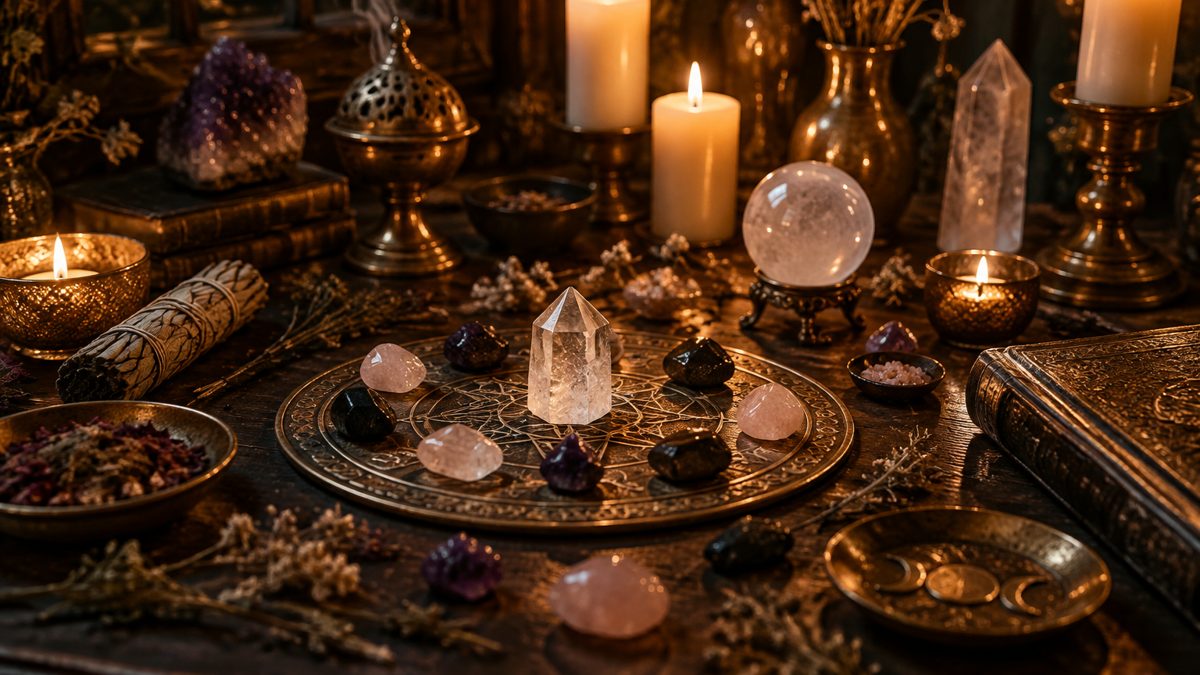
How to Use Crystals in Spells and Rituals Welcome to Crossroads Journal. I’m Seraphina, and when I bring a crystal into a ritual, I think of it as something to gather my attention around: a small, tangible reminder of what I want to honor, invite, or release. A stone’s weight, texture, color, and history can give an otherwise abstract intention somewhere to rest.
Crystals appear in many contemporary magical practices, with meanings drawn from folklore, religious traditions, modern correspondence systems, and personal experience. These meanings are not universal, and claims that stones emit magical powers or change outside events are matters of belief rather than established evidence. You can approach the practices here spiritually, symbolically, or simply as reflective rituals without needing to pretend certainty.
My approach is gentle and practical. We’ll look at choosing crystals, cleansing them without damaging them, charging them under moonlight, setting intentions, arranging grids, and incorporating stones into candle work. I’ll also share protection and love rituals designed around personal agency, consent, and ordinary follow-through rather than promises of supernatural results.
You do not need a cabinet of rare minerals, expensive equipment, or a perfectly timed full moon. One responsibly obtained stone, a clear purpose, and a little uninterrupted attention are enough to begin. Throughout this guide, physical safety comes before magical symbolism: no correspondence is worth a damaged keepsake, a distressed pet, or an unattended flame.
Looking for the meaning of a single card or ingredient? Keep our Crystals for spells guide open beside you.
1. Begin with the kind of magic you actually mean
Before choosing a crystal, I like to ask what the ritual is for. Am I marking a transition, practicing a boundary, expressing gratitude, or making space for affection? That question matters more than finding the supposedly perfect stone. An intention such as “I want to pause before agreeing to things” gives a ritual a clearer shape than “I want everything to change.” It also leaves room for an ordinary action afterward.
In many modern crystal traditions, stones are assigned correspondences: rose quartz with love, clear quartz with clarity or amplification, amethyst with contemplation, and black tourmaline with protection. These are examples of beliefs used in contemporary practice, not measurable guarantees. Different books and practitioners may offer different associations. I treat those differences as invitations to understand a particular system rather than evidence that someone must have the single correct answer.
Personal symbolism can sit beside traditional correspondence. A smooth pebble from a permitted collecting spot might remind you of steadiness more effectively than an expensive specimen. A stone inherited from a relative may carry memories that make it meaningful in an ancestor remembrance ritual. The significance comes partly from your relationship with the object, and you do not have to invent a grand explanation for that relationship.
I also keep a distinction between symbolic protection and practical safety. A protection crystal can represent boundaries, but it cannot replace a lock, a safety plan, or appropriate assistance. Likewise, a love ritual cannot secure another person’s affection. Ritual is most grounded when it supports your choices without claiming control over other people, physical hazards, or uncertain events.
2. Choose a crystal without turning it into a shopping quest
Start with the intention, then look for a stone you can identify, handle safely, and afford comfortably. For a first practice, one sturdy, polished specimen is often easier to manage than a delicate cluster. Clear quartz, rose quartz, and amethyst are familiar options in contemporary crystal work. You can also use an ordinary stone you already own, provided its surface is stable and its identity or composition does not raise handling concerns.
I prefer choosing by a combination of symbolism and practicality. Does the stone’s color suit the mood of the ritual? Does its shape sit securely on your table? Is it comfortable in your hand? You do not need to feel tingling, warmth, or a sudden mystical recognition. Such sensations can have ordinary explanations, and their absence does not make a crystal unsuitable or your practice less meaningful.
Ask sellers for the mineral name and whether a piece is dyed, coated, heat-treated, reconstructed, or otherwise altered. Treatments do not erase personal meaning, but they can affect care. Trade names sometimes obscure what a stone actually is. If the identification remains uncertain, avoid water, heat, ingestion, and unnecessary handling until you have reliable information. Do not grind, drill, or sand an unknown specimen for ritual use.
Responsible purchasing also deserves a place at the altar. Mineral extraction and trading can involve environmental and labor concerns, while detailed sourcing information may be unavailable. Ask questions without assuming a vague ethical label proves everything. Buying less, using secondhand stones, and appreciating what you already have are sensible options. If collecting outdoors, check permission and local rules, and leave protected places and culturally significant sites undisturbed.
3. Cleanse symbolically, and clean physically with care
يستخدم ممارسو البلّورات كثيرًا «التطهير» بمعنى إعادة ضبط رمزية: التخلي عن الارتباطات السابقة وتهيئة غرض لغاية جديدة. وهذا يختلف عن إزالة الأوساخ. فقد يكون الحجر نظيفًا فعليًا وأنت لا تزال تريد تحديد بداية جديدة، أو مغبرًا بينما معناه الشخصي مستقر تمامًا. وأجد أن الفصل بين الفكرتين يجعل الممارسة أوضح وأكثر أمانًا.
For a beginner, the simplest symbolic method is often the best. Set the stone on a clean cloth, take a few comfortable breaths, and state that you are beginning again. You might ring a bell softly, spend a minute in silence, or imagine the previous intention loosening its hold. None of these methods requires believing the stone has become contaminated, and none requires smoke, salt, or water.
Physical cleaning depends on the specific mineral and any treatments or attachments. A soft, dry cloth is a conservative choice for many stable, polished pieces, though delicate specimens may need specialist guidance. Avoid scrubbing friable surfaces or creating dust. Salt, saltwater, household cleaners, and prolonged soaking are not universal crystal-care methods. They can damage minerals, coatings, metal settings, and nearby furniture.
الدخان اختياري، وليس شرطًا لممارسة أصيلة. فقد يزعج من لديهم حساسية تنفسية وقد يكون خطرًا حول بعض الحيوانات، خاصة الطيور. وإن استخدمت البخور، فراعِ كل من يشاركك المكان، ووفّر تهوية مناسبة، واستخدم حاملًا لائقًا. كما أتجنب استعارة مراسم من تقاليد حية دون فهم سياقها. وإعادة ضبط هادئة بكلماتك الخاصة تكفي تمامًا.
- أفرغ سطحًا صغيرًا وضع بلّورتك على قطعة قماش ناعمة جافة.
- Name the reset plainly: “I release the previous purpose of this stone and begin with attention.”
- Sit quietly or use a brief, gentle sound to mark the transition.
- افحص الحجر بحثًا عن شظايا سائبة أو تلف، ثم ضعه في مكان آمن.
4. Charge crystals under moonlight without chasing perfection
في الممارسة القمرية المعاصرة، يعني «الشحن» عادةً تكريس بلّورة لنيّة مع ربطها بطور قمري. ويفضّل بعض الممارسين القمر المتزايد للنمو، والبدر للذروة، والقمر المتناقص للتخلّي. وهذه أُطر رمزية، وليست آليات مثبتة يخزّن بها ضوء القمر قوة خاصة في المعادن. استخدمها إن أثرت ممارستك، واتركها جانبًا إن سببت لك ضغطًا.
I like moonlight charging because it encourages a pause. An indoor windowsill, shelf near a window, or dry tray can become a place to mark the evening. Direct moonlight is not essential to a symbolic dedication, and clouds need not spoil the occasion. If your window does not face the moon, you can still acknowledge the lunar phase and set your intention indoors.
تحقق من المكان قبل ترك أي شيء طوال الليل. فقد تتعرض الأحجار الخارجية للندى أو المطر أو الصقيع أو الحيوانات أو السرقة. وقد تسخن النافذة بعد الشروق، وقد يبهت بعض المعادن الملونة بالتعرض المطول لأشعة الشمس. أبعد البلّورات عن الحواف غير الثابتة والنوافذ المفتوحة والأطفال الفضوليين والحيوانات الأليفة. وتستحق الكرات البلورية الشفافة عناية إضافية لأنها قد تركّز ضوء الشمس المباشر وتخلق خطر حريق.
There is no required charging duration. A few deliberate minutes can be enough for the ritual you are making. When you retrieve the stone, notice whether your intention still feels accurate, rather than testing whether the crystal seems more powerful. If you miss the full moon, nothing has failed. You can choose another evening and let the practice fit your life.
- اختر طورًا قمريًا لمعناه الرمزي، أو اختر ببساطة مساءً مناسبًا.
- Place the crystal in a dry, stable indoor location with no foreseeable morning-sun hazard.
- Speak one sentence describing what you are dedicating the stone to.
- Leave it for your chosen interval, then retrieve it and record the intention if helpful.
5. Set an intention that leaves room for choice
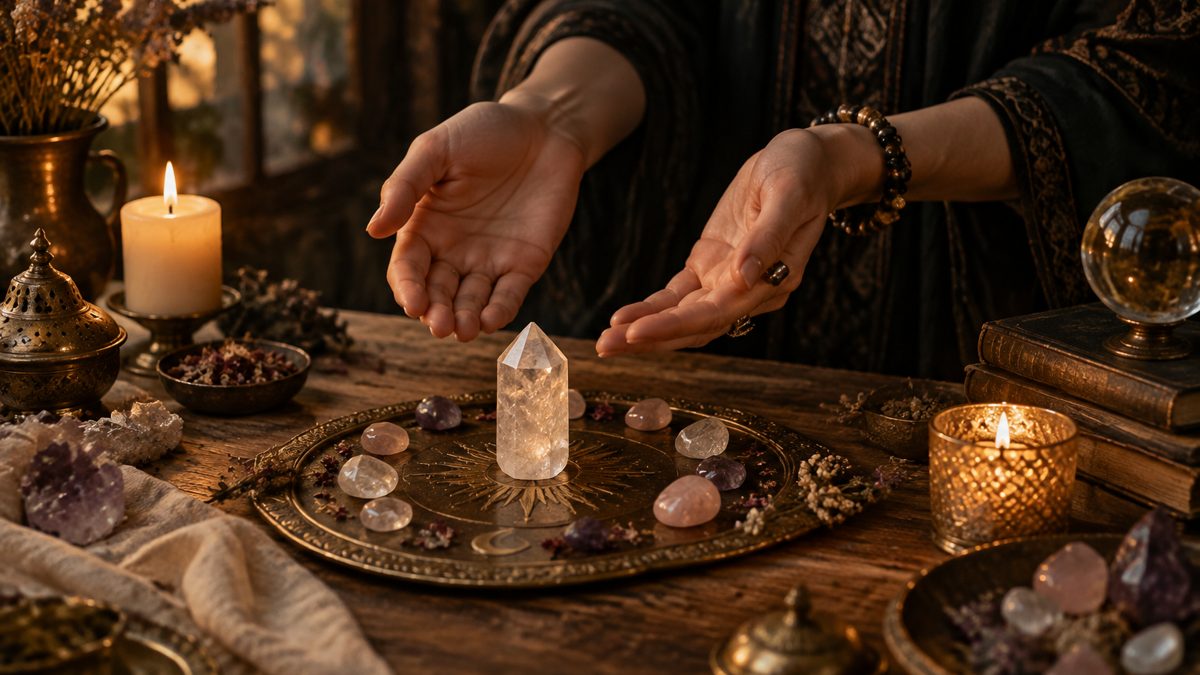
Setting an intention is the moment when a general wish becomes a usable statement. I aim for language that describes my own conduct, attention, or values. “May I recognize and communicate my limits” is more grounded than “No difficult person can ever reach me.” “I welcome mutual affection” respects consent in a way that “This particular person must love me” does not.
أمسك البلّورة إن كان ذلك مناسبًا، أو ضعها قريبًا وأرِح يديك براحة. انطق نيّتك بصوت عالٍ أو همسًا أو اكتبها. لا حاجة إلى ضغط الحجر ولا الحفاظ على وضعية صعبة ولا إجبار حالة عاطفية. وإن لم يأتِ التخيل بسهولة، فاستخدم الكلمات أو الملمس أو رمزًا مكتوبًا بسيطًا. فالطقس لا يتطلب صورًا ذهنية حية.
قد يفيد أن تقرن النية بفعل يمكن ملاحظته. فحجر مكرّس للثبات قد يذكّرك بقراءة دعوة بعناية قبل الرد. وبلورة مرتبطة بالصداقة قد تستقر بجوار الرسالة التي تنوي إرسالها. وهذا يمنحك شيئًا ملموسًا تتأمله لاحقًا دون افتراض أن كل مصادفة سببها الطقس.
Keep the wording kind and flexible. Intentions are not contracts that punish you for having an uncertain day. You can revise one when circumstances change, and you do not need to renew it compulsively. If the practice starts feeling like something you must perform perfectly to prevent disaster, step back and simplify. A crystal can remain an ordinary object while you take a break.
- Write a single sentence beginning with “I choose,” “I welcome,” or “May I practice.”
- Check that it concerns your own choices and does not override another person’s consent.
- اقرأها بجانب الحجر، ثم سمِّ فعلًا عمليًا واحدًا يعبّر عنها.
- Store the written intention with the crystal or in your journal.
6. Build a crystal grid step by step
A crystal grid is an arrangement of stones used to express an intention through pattern, repetition, and symbolism. In some traditions, practitioners believe the arrangement directs or amplifies energy. I approach the layout as a visual ritual: its geometry helps gather attention and gives each part of an intention a place. There is no established requirement for a particular number of stones or a particular pattern.
لشبكتك الأولى، اختر دائرة بسيطة أو مثلثًا أو مربعًا. يمكن لحجر مركزي أن يمثل الغاية الرئيسة، بينما تمثل الأحجار المحيطة الصفات الداعمة. وفي شبكة لوضع الحدود، قد يرمز المركز إلى احترام الذات والمواضع الخارجية إلى التمييز ووضوح الكلام والراحة والاتساق. ولا يلزم أن تتطابق الأحجار، والترتيب الصغير أسهل في الحفاظ عليه من المزدحم.
Some practitioners call the final tracing of the pattern “activation.” You can understand this as ceremonial completion rather than switching on a proven force. A fingertip hovering above the layout is enough; there is no need to buy a wand or touch sharp crystal points. Decide when the grid will end, too. A deliberate closing helps keep it from becoming neglected clutter or an obligation.
- Choose one intention and write it on a small piece of paper.
- Find a stable surface away from pets, children, table edges, and frequently moved objects.
- ابسط قماشًا أو نموذجًا ورقيًا إن كان مفيدًا، مع التأكد من أنه مسطح.
- ضع النية تحت الحجر المركزي أو بجانبه، ثم سمِّ ما يمثّله ذلك الحجر.
- Add the outer stones one at a time, assigning each a supporting quality.
- Trace the arrangement in the air with your finger while repeating your intention once.
- سمِّ إجراءً واقعيًا واحدًا ستقوم به، واختر تاريخًا لمراجعة الشبكة أو تفكيكها.
- عند الختام، تأمّل لحظة قصيرة، ثم أزل الأحجار وأعدها إلى مكان تخزين آمن.
7. Combine candle spells and crystals safely
Candles and crystals make a visually appealing pairing, but I keep their roles physically separate. The candle can symbolize attention, change, or a dedicated interval; the crystal can represent the intention being considered. Neither needs to touch the other. Heat can damage or fracture some stones, and an unknown specimen is not a suitable candleholder merely because it has a convenient hollow.
Use a candle in a purpose-made holder on a stable, heat-resistant surface. Keep crystals outside the candle’s heat zone, with ample clearance from the flame and hot wax. Follow the candle manufacturer’s directions, including clearance and burn-time guidance. Remove paper, loose fabric, dried flowers, and other combustibles from the area. Do not embed crystals, herbs, or decorative fragments in a burning candle.
For simple candle work, I place a safely identified stone nearby, read my intention, and let the candle mark a short period of reflection. There is no need to dress it with oils or scatter flammable powders around it. A battery-operated candle offers a good alternative where open flames are unsuitable, including shared spaces with restrictions or homes where children and animals could interrupt the ritual.
ابقَ حاضرًا طوال فترة الاحتراق وأطفئ الشمعة قبل المغادرة أو الشعور بالنعاس. ولا تحرّك حاملًا ساخنًا ولا تلمس حجرًا قريبًا حتى يبرد كل شيء. والإطفاء المبكر ليس فألًا سيئًا، والشعلة المرتعشة ليست دليلًا موثوقًا على رسالة. فتيارات الهواء وحالة الفتيل وعوامل عادية أخرى تؤثر في سلوك الشموع.
- Prepare a clear, stable surface and choose a proper candleholder or a battery-operated candle.
- Place the crystal safely away from heat, flame, and any pooled wax.
- Read your intention and spend a few minutes considering the action it asks of you.
- Extinguish the flame safely, allow the setup to cool, and put everything away.
8. Carry and place crystals as everyday reminders
A carried crystal can extend a ritual into daily life by becoming a reminder you encounter naturally. I like a small, sturdy, polished stone in a fabric pouch rather than a fragile point loose among keys. Before carrying it, check for cracks, sharp edges, shedding material, or finishes that rub off. If you are unsure whether a specimen is suitable for frequent contact, leave it on display instead.
Give the reminder a specific cue. When you notice the pouch in your bag, you might ask, “Have I left enough time to decide?” A stone beside your journal might mean, “Write one honest sentence before closing the day.” These small associations are often more useful than continually checking whether you can feel a crystal working. The practice becomes a habit of attention rather than a test.
Placement around the home can be equally simple. A stable stone near an entryway may represent the boundary between public and private life. One on a desk can mark the beginning and end of a focused activity. Avoid obstructing doors, placing stones where they may fall, or leaving heavy specimens on weak shelves. Keep small stones away from children and animals because they can be swallowed.
Bedrooms call for ordinary comfort, not rigid placement rules. A secure bedside surface is generally more practical than putting a hard or sharp object under a pillow. Avoid damp bathrooms for moisture-sensitive minerals and sunny windows for stones prone to fading. You can move a crystal whenever the location stops serving you; moving it does not cancel a vow or invite punishment.
9. Treat crystal water and mineral safety conservatively
My simplest rule is not to put crystals into drinking water, tea, bathwater, or food. Mineral safety is more complicated than whether a stone looks smooth or has a familiar name. Composition, coatings, dyes, inclusions, surface contamination, and prior handling can all matter. A claim that a stone is spiritually cleansing says nothing about whether it belongs in something you will ingest or soak in.
Selenite and satin spar are forms of gypsum often sold under similar names. They are soft and can be damaged by water, especially soaking or repeated exposure, so keep them dry. Pyrite should also stay out of water-based rituals: exposure to moisture can promote oxidation and deterioration. Do not assume a saltwater bath is gentler. Salt can introduce additional damage, including harm to settings and surfaces.
وتحتاج عينات أخرى إلى حذر لأسباب مختلفة. فالملاكيت معدن يحتوي على النحاس، والزنجفر يحتوي على الزئبق؛ ولا يصلح أيٌّ منهما لماء الشرب أو الحمّامات أو المساحيق المصنوعة منزليًا. أما الهاليت (ملح الصخر) فيذوب بسهولة. والأحجار الطرية أو المسامية أو المتقشرة أو المطلية أو غير المعروفة مرشحات رديئة للطرق الرطبة. وحتى المعدن الذي يتحمل شطفًا قصيرًا ليس بذلك معتمدًا آمنًا لإكسير. فالمتانة الفيزيائية وملاءمة التلامس مع الطعام مسألتان مختلفتان.
If you want water symbolism, keep the crystal entirely separate. Place it beside a sealed water bottle, with enough space to prevent it falling in, and dedicate the moment rather than trying to transfer a substance or power. Never lick crystals, inhale mineral dust, or add crushed stone to oils or cosmetics. Wash your hands after handling unfamiliar specimens, and seek reliable mineral-care information for the exact material you own.
10. A simple protection ritual for boundaries
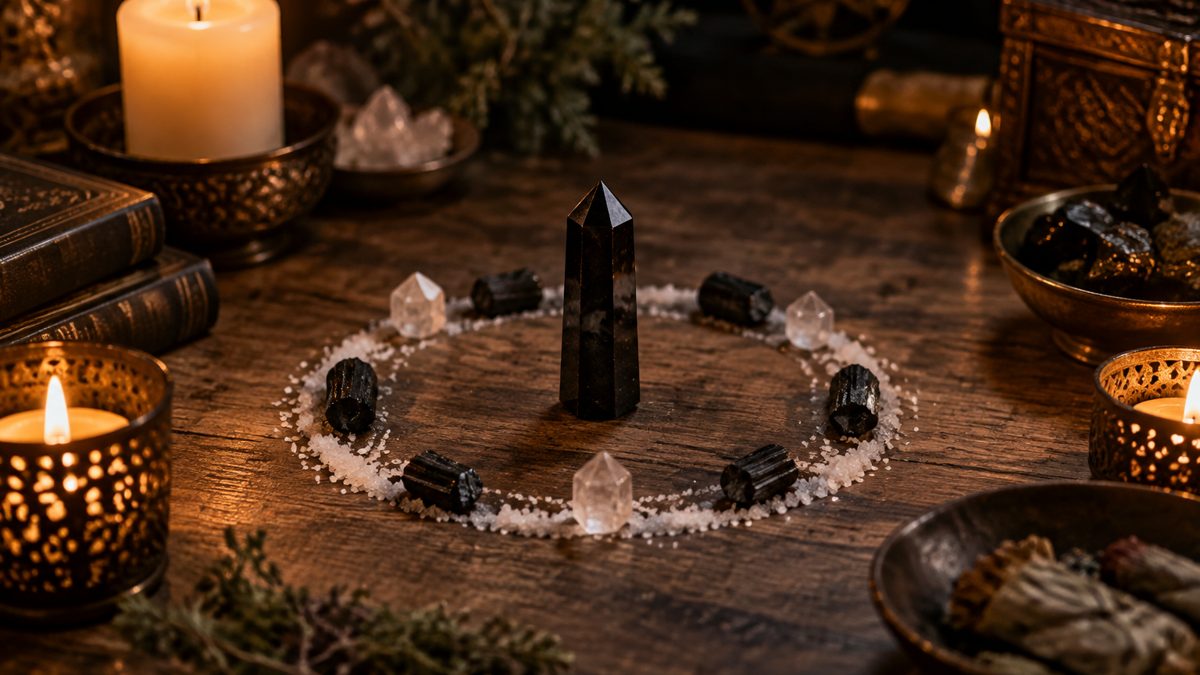
يتمحور طقس الحماية هذا حول التمييز والحدود الشخصية، لا وعدًا بالحصانة. اختر حجرًا ثابتًا تربطه بالحماية؛ والتورمالين الأسود ارتباط حديث شائع، لكن حصاة مألوفة قد تؤدي الغرض بالقدر نفسه. وأضف ورقة وقلمًا. أفضّل هنا نسخة بلا لهب كي يبقى التركيز على ما تعنيه الحماية في الحياة اليومية.
ابدأ بتسمية شيء تريد حمايته: وقتك أو مساحتك الخاصة أو انتباهك أو قدرتك على التوقف قبل الإجابة. كن محددًا دون تكرار سيناريوهات مخيفة. وإن كان هناك تهديد حقيقي، فأعطِ الأولوية لإجراءات السلامة العملية والمساعدة المناسبة بدل انتظار طمأنة طقسية. ودور الحجر أن يمثل التزامك، لا أن يكشف الخطر أو يخلق درعًا ماديًا.
You may imagine a boundary around your space if that feels meaningful, but visualization is optional. When closing, avoid testing the ritual by watching for signs of attack. Review the action you chose instead. A difficult interaction afterward does not prove the stone failed, and a peaceful day does not establish supernatural protection. Either way, you can keep practicing the boundary.
- Sit somewhere comfortable and place the stone on the paper.
- Write: “I am allowed to pause, choose, and name my limits.” Adjust the words so they sound like you.
- سمِّ حدًّا واحدًا تريد التدرّب عليه، مثل التريث قبل قبول التزام إضافي.
- Hold your hands near the stone and say, “Let this remind me to act with discernment and respect for my limits.”
- Choose a practical next step, such as drafting a clear response or reviewing an ordinary home-safety task.
- ضع الورقة والحجر في مكان آمن، ثم اختم بإقرار بسيط: «اكتمل هذا الطقس».
11. A love ritual for mutual care and openness
في أعمال الحب، أبقي الموافقة في المركز. يدعو هذا الطقس إلى التأمل في نوع العناية التي تريد تقديمها وتلقيها؛ وهو لا يهدف إلى إجبار شخص بعينه أو التدخل في علاقة أو ضمان رومانسية. يرتبط الكوارتز الوردي عادةً بالحب في ممارسة البلّورات الحديثة، مع أن أي حجر يُتعامل معه بأمان وله ارتباط شخصي بالحنان يمكن استخدامه.
Gather your crystal, paper, and a pen. An optional battery-operated candle can create a gentle atmosphere without introducing flame. You might dedicate the ritual to self-respect, friendship, family affection, or openness to a mutually wanted partnership. Love need not mean romance, and being single is not evidence that you have failed spiritually or chosen the wrong crystal.
I like this ritual to end with a modest act of care rather than a search for omens. You could send a considerate message, make time for a shared activity, or clarify what treatment you are willing to accept. If contacting someone, respect their boundaries and any lack of response. The meaningful question afterward is what you learned about your values, not whether another person behaved as the ritual requested.
- ضع الحجر أمامك وسمِّ شكل الحب الذي تريد التأمل فيه.
- Write three qualities you value in loving relationships, such as honesty, reciprocity, and kindness.
- Write one way you can offer those qualities and one boundary that helps you preserve them.
- Say, “I welcome freely chosen care. I do not ask to control another person’s heart.”
- Spend a quiet minute considering a realistic expression of affection or self-respect.
- Thank yourself for the attention, put the stone somewhere safe, and take the chosen action when appropriate.
12. Keep a journal, close rituals, and let the practice change
A small ritual journal can help you notice what is meaningful without turning every event into proof. Record the date, the stone, the intention, and any practical action you chose. If lunar timing matters to your practice, note it as context. You might also record whether the setup was comfortable, distracting, or too elaborate. Those observations are useful even when nothing dramatic happens.
At review time, separate events from interpretations. “I used the stone as a reminder before replying” describes something observable. “The crystal made someone agree with me” attributes a cause you cannot establish from that event alone. You can value a ritual’s emotional or spiritual meaning while remaining uncertain about supernatural explanations. That balance is welcome here at Crossroads Journal.
Close practices deliberately when they have served their purpose. Dismantle the grid, extinguish any candle, store the stones, and recycle or keep the intention paper as appropriate. There is no need to bury crystals, release them into waterways, or leave them in public landscapes. You can thank an object within your own beliefs without disposing of it in a way that creates environmental harm.
وأهم من ذلك كله، دع الممارسة تبقى مضيافة لحياتك الواقعية. فإن أصبح طقس متقن مرهقًا فعُد إلى حجر واحد وجملة واحدة. وإن لم تشعر بصلة خاصة بالبلّورات فقد تفضل شكلًا آخر من التأمل كليًا. أرى أن السؤال الأنفع ليس «هل أديت هذا بإتقان؟» بل «هل ساعدني هذا على إيلاء انتباه مدروس لما يهم؟». وهذا مكان لطيف للبدء، ومكان جيد بالقدر نفسه للعودة.
These practices are shared as tradition and personal reflection, not as a substitute for medical, legal or financial advice.
واصل التعلّم
- Crystals for spells
- How to read tarot cards
- How to use angel oracle cards
- كيف تقرأ أوراق اللعب
- كيف تستخدم البلّورات في التعويذات
- كيف تستخدم الأعشاب في السحر
- How to read the Dr. Moorne Egyptian Tarot
- How to read dice
- How to read tea leaves
- كيف تستخدم البندول
- كيف تلقي تعويذة بالشموع
- How to make a spell jar
- How to make a sigil
- How to cleanse your home
- How to set up an ancestor altar
- How to open a sacred space
- How to time spells with the moon
- How to work with water and salt
- How to make a protection charm bag
- Read the Journal or visit the shops