Mystical Traditions
Beyond a Familiar Bookshelf: Exploring Makeda’s Ethiopian Bible Focus
A starting point for curiosity, not a shortcut through a living tradition.
 By Seraphina||2 min read

For many readers, the contents of a Bible feel fixed because they grew up with one familiar edition. Makeda’s ministry draws attention to the Ethiopian Orthodox Bible and describes its canon as commonly counted as 81 books. That is the ministry’s own introduction to the subject. It is an invitation to learn, not a reason to flatten a living church tradition into a mysterious fact.
Begin with the community, not the number
A canon is a collection of writings a religious community receives as Scripture. Christian traditions do not all describe or arrange their collections in the same way. Makeda’s page offers one entry point; for detailed historical or theological study, seek resources from the Ethiopian Orthodox Tewahedo Church and qualified scholarship.
Read the ministry’s introduction carefully
- Notice what the page says about its use of Scripture.
- Distinguish a description of books from a claim about their history.
- Write down terms you do not understand.
- Look for context before drawing conclusions about another tradition.
A broader collection does not mean that every passage is a private prediction for the reader. Nor should an unfamiliar book be treated as an exotic spiritual tool detached from the people who read it.
Choose a manageable reading practice
Start with a short passage available in a reliable edition. Read any introduction and the surrounding section. Keep three notes: what the text says, what you need help understanding, and what it prompts you to reflect on. If you want to learn a church’s worship practices, ask that community rather than inventing a ceremony.
Allow questions to remain open
You do not need to become an expert in an afternoon. Respectful curiosity includes knowing when to say “I do not know.” Avoid claims about secret powers, guaranteed outcomes, or what all Ethiopian Christians believe.
Begin with Makeda’s Ethiopian Orthodox Bible page. If her Scripture-based writing interests you, explore her ministry’s current offerings. This article introduces her stated focus; it is not a comprehensive history of the canon.
The Crossroads Spread: Three Cards for a Difficult Choice
NextAsk the Cards a Better Question
Related Articles

Mystical Traditions
Dziady and Poppy Seed: Ancestors and Abundance in Slavic Spell Work
From the Forefathers' Feast to the humble poppy seed, two Slavic traditions behind Haggath's ancestor and money spells.
By Seraphina |
Mystical Traditions
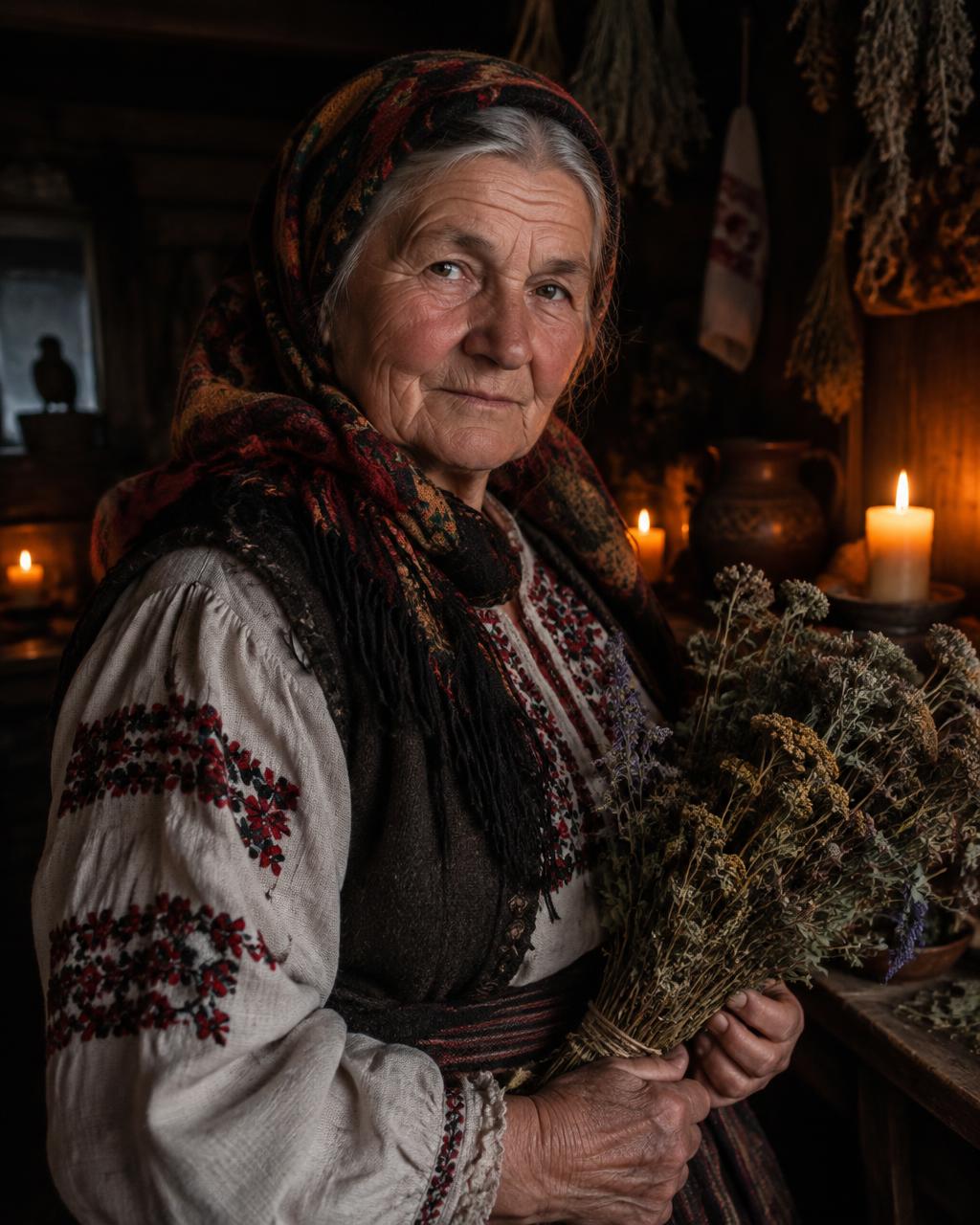
Meet Haggath: The Village Witch Outside Kraków
A visit to Haggath, who casts the Polish and Slavic folk spells her grandmother taught her from a wooden hut near Kraków.
By Seraphina |

Mystical Traditions
Pisanki and the Spring Equinox
Decorated eggs are among the oldest Slavic charms. Haggath shows how to make one for a spring wish.
By Seraphina | October 28, 2026