How-To Guide
Cómo limpiar espiritualmente tu hogar
Por Seraphina
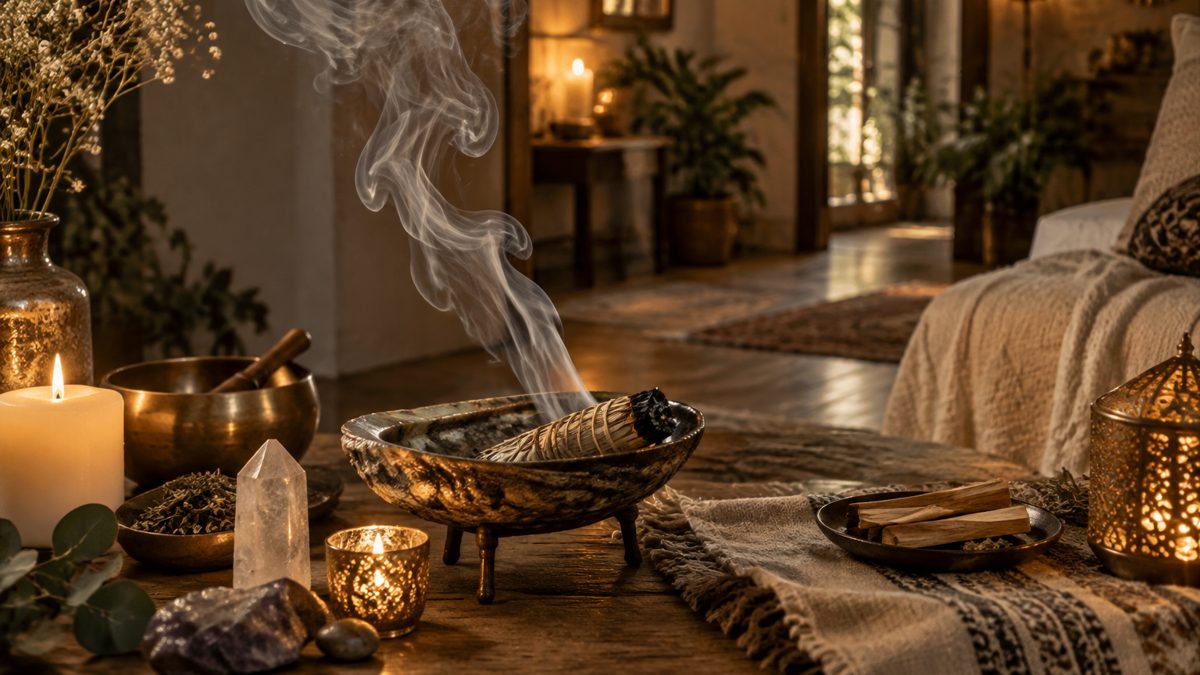
A home can feel different after an argument, an illness, a move, or a long season of stress. Sometimes the change is easy to explain: stale air, unfinished chores, difficult memories, or too little rest. Spiritual cleansing offers a deliberate way to acknowledge those feelings and mark a fresh beginning. It can sit comfortably alongside ordinary cleaning, maintenance, and care.
En muchas tradiciones, las personas limpian o bendicen los espacios habitados mediante la oración, el agua, la fragancia, el sonido, la luz o gestos significativos. Lo que estas prácticas significan depende de la comunidad y de cada persona. Algunas las entienden de forma espiritual; otras las abordan como rituales simbólicos que sostienen la atención y la intención. No hay evidencia fiable de que los rituales domésticos eliminen fuerzas sobrenaturales, ni ninguna sensación en particular demuestra que una limpieza haya funcionado.
This guide approaches the subject with warmth, cultural care, and practical common sense. You do not need expensive tools, a dramatic ceremony, or certainty about what you believe. A tidy surface, a bowl of plain water, and a few honest words may be enough for a meaningful personal practice. Your comfort and the consent of everyone sharing the home matter more than elaborate instructions.
Exploraremos los antecedentes de la limpieza del hogar, elegiremos materiales adecuados, prepararemos el espacio y construiremos un ritual suave, habitación por habitación. También encontrarás un ejemplo práctico, orientación para interpretar tu experiencia y formas de llevar un diario útil. Para una comparación de técnicas individuales, consulta la página de referencia complementaria, Métodos de limpieza del hogar, y adapta solo lo que realmente se ajuste a tu hogar.
Looking for the meaning of a single card or ingredient? Keep our Home cleansing methods guide open beside you.
1. Decide What Spiritual Cleansing Means to You
Before choosing a method, name the reason you want to cleanse. Perhaps you have moved into a new apartment, finished a difficult project, welcomed a baby, or ended a relationship. A specific reason gives the ritual direction. “I want this room to support restful evenings” is more useful than an open-ended demand to eliminate everything negative.
Distinguish an intention from a promise. An intention describes how you hope to live and what you will practice; a promise claims an outcome you cannot control. You might intend to speak more kindly, protect quiet time, or make space for grief. A cleansing cannot guarantee harmony, prevent misfortune, or change another person's behavior.
Consider what “clean” means in your spiritual vocabulary. It need not mean that sadness, anger, or uncertainty are unwelcome. A supportive home can hold difficult emotions without treating them as contamination. Think of cleansing as making room for life rather than demanding constant happiness or judging yourself for having a hard week.
Write one sentence you can return to throughout the process. For example: “I am caring for this home so it can support safety, rest, and honest conversation.” If religious language is meaningful to you, use a prayer from your own practice. If not, ordinary language is entirely appropriate; sincerity does not require ceremonial phrasing.
2. Understand the History Without Flattening Traditions
La purificación y la bendición del hogar aparecen en muchas sociedades, pero no son una práctica universal única con ingredientes intercambiables. Según la tradición, un rito puede expresar devoción, hospitalidad, protección, recuerdo o preparación para una ocasión sagrada. La limpieza espiritual moderna suele combinar simbolismo personal con ideas prestadas, lo que hace especialmente importante saber de dónde procede una práctica.
Some Christian communities bless homes with prayer and holy water. Incense has devotional roles in various Buddhist, Hindu, Christian, and other settings, although its purpose and use differ. Jewish household practices surrounding the mezuzah belong to a specific religious framework and should not be reduced to a generic cleansing technique. These examples illustrate diversity, not a menu of equivalent tools.
Smoke practices among Indigenous peoples are also diverse. “Smudging” should not be used as a catch-all label for burning any herb, because it can refer to particular ceremonies with community-specific meanings and responsibilities. White sage and sweetgrass carry cultural significance in some communities. Popular retail packaging is not a substitute for learning from appropriate sources.
Folk household customs in parts of Europe and elsewhere have included sweeping, washing thresholds, prayer, salt, and seasonal plants. Details vary by place, family, and period; claims about a single ancient recipe deserve caution. Start with your own background where possible, use reputable cultural histories, and seek community guidance before attempting practices intended for initiated or authorized participants.
3. Elige un método que se adapte a tu hogar
El método más adecuado es el que puedes realizar de forma segura, respetuosa y sin molestar a nadie. Los enfoques sin humo suelen ser el punto de partida más sencillo. Puedes combinar la limpieza ordinaria con intenciones expresadas en voz alta, música tranquila, suaves palmadas o un punto focal visual. Ninguno es intrínsecamente más eficaz espiritualmente que otro; el significado percibido depende de la creencia, la asociación y la experiencia personal.
El agua puede simbolizar renovación sin necesidad de rociarla por todas partes. Coloca un cuenco pequeño sobre una bandeja estable y úsalo como punto focal mientras pronuncias tu intención. Si quieres limpiar una superficie, sigue las instrucciones de cuidado de ese material. El simbolismo espiritual no hace que el agua sea segura para aparatos electrónicos, madera sin tratar, telas delicadas u otros objetos sensibles a la humedad.
Sound can mark a transition, but volume is not a measure of effectiveness. A softly rung bell, a short song, or your own speaking voice may be sufficient. Avoid sudden noises around sleeping children, sound-sensitive people, and animals. If hearing or sensory needs make sound unsuitable, silent gestures and written intentions are equally valid alternatives.
Smoke is optional, never a requirement. Skip it around respiratory conditions, smoke-sensitive occupants, birds, or other vulnerable animals, and wherever building rules prohibit it. Essential-oil diffusion is not automatically a safe substitute, especially around pets. Home Cleansing Methods can help you compare approaches, but a comfortable, low-impact choice usually serves a shared home best.
4. Gather a Small, Practical Kit
Begin with ordinary household supplies: a rubbish bag, a donation box, clean cloths, and cleaning products appropriate to your surfaces. Add drinking water for yourself and a notebook if you want to record the experience. These unglamorous items often contribute more to a welcoming room than a large collection of ceremonial accessories.
Para el ritual en sí, elige uno o dos objetos en lugar de reunir todo lo que has visto en internet. Un cuenco de agua simple, una vela a pilas, una fotografía significativa o una campana pueden ofrecer un enfoque claro. Los objetos pueden tener simbolismo personal, pero no necesitas comprar nada que se anuncie como espiritualmente poderoso.
Si las hierbas forman parte de tu práctica establecida, identifica la planta y confirma cómo se puede manipular con seguridad. Una planta vendida como decoración, fragancia o uso ritual no es necesariamente apta para el consumo. Evita las mezclas desconocidas y los polvos sueltos sin información sobre sus ingredientes. Mantén las hierbas lejos de niños y mascotas, y no des por hecho que natural significa inofensivo.
Salt is optional and often unnecessary. It can scratch surfaces, corrode metal, and harm plants when discarded in soil or watering containers. A small amount kept inside a closed container can carry symbolic meaning without being scattered. Likewise, choose an LED light instead of an open flame when you want the symbolism of illumination without fire risk.
- 1. Set out your cleaning supplies and one chosen ritual object on a stable, uncluttered surface.
- 2. Check ingredients, care labels, household sensitivities, and any building restrictions before beginning.
- 3. Put away everything you do not need, leaving clear walking routes and keeping exits unobstructed.
5. Prepare the Space and Ask for Consent
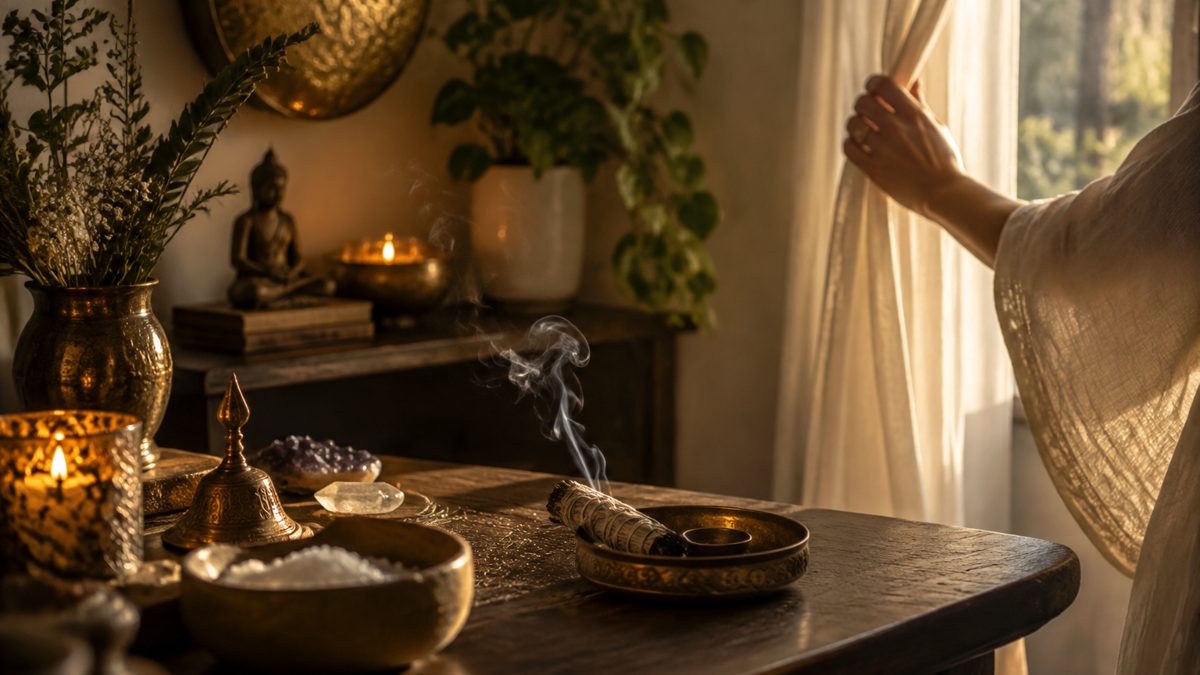
Talk with housemates before using fragrance, sound, prayer in shared areas, or changes to household objects. Explain what you plan to do and ask what would make them comfortable. Participation should be optional. A shared living room is not yours alone to redefine, and someone declining a ritual is not introducing negative energy.
Atiende primero las condiciones prácticas. Saca la basura, retira la comida echada a perder, lava los platos y ocúpate de las fuentes evidentes de olor. Si notas humedad, plagas, cableado dañado o un olor recurrente sin explicación, investiga la causa física. El ritual puede acompañar el cuidado del hogar, pero no puede reemplazar las reparaciones, el tratamiento de plagas ni la evaluación profesional de un problema de seguridad.
Choose a manageable scope. Cleansing a whole house when you are tired may turn a supportive practice into another burden. One bedside table or one doorway is a legitimate starting point. Schedule enough time to finish without rushing, and leave a little time afterward to put supplies away and enjoy the room.
Ventilate if outdoor conditions, security, and health needs allow. Check pollen, air quality, weather, and the safety of children and pets before opening windows. An open window can represent a fresh start, but no supernatural exit is required. In unsuitable conditions, use your normal safe ventilation arrangements and keep the symbolic gesture entirely indoors.
- 1. Agree on the rooms, timing, and permitted materials with everyone affected.
- 2. Complete a short physical tidy, prioritizing waste, dishes, trip hazards, and frequently used surfaces.
- 3. Arrange safe ventilation if appropriate, then place your chosen ritual object where it cannot be knocked over.
6. Serénate y abre el ritual
Empieza notando cómo te sientes en lugar de intentar producir un estado especial. Puedes sentirte esperanzado, distraído, escéptico o alterado. Ninguno de estos sentimientos te descalifica. Siéntate o ponte de pie con comodidad, percibe el apoyo bajo tu cuerpo y respira con suavidad unas cuantas veces, sin forzar la respiración profunda ni contener el aliento.
Mira a tu alrededor e identifica algunos detalles ordinarios: el color de una cortina, el peso de una taza o la luz del día sobre el suelo. Así la práctica se mantiene conectada con la habitación que realmente habitas. Si cerrar los ojos te incomoda, déjalos abiertos. Si la quietud te resulta difícil, ordenar despacio puede servir como tu actividad de apertura.
Lee o pronuncia la intención que escribiste antes. Podrías decir: «Estoy marcando un nuevo comienzo y haciendo espacio para el descanso». Es una redacción sugerida, no una fórmula tradicional ni una orden con poder garantizado. Cámbiala hasta que suene como algo que dirías con naturalidad, o guarda la intención en privado.
Establece un punto final claro antes de empezar a recorrer la casa. Por ejemplo, decide que el ritual terminará después de una pasada por tres habitaciones. Un límite definido evita el impulso de repetir acciones hasta que todo se sienta perfecto. Estás completando un acto de cuidado elegido, no comprobando si la casa se ha vuelto espiritualmente impecable.
- 1. Pause in a comfortable position and notice your surroundings for about a minute.
- 2. State your intention aloud, silently, or in writing.
- 3. Decide qué habitaciones visitarás y qué acción indicará que el ritual está completo.
7. Follow a Gentle Room-by-Room Method
Start somewhere convenient, such as the entrance or the room you use most. Some traditions specify a direction or route, but there is no universal rule requiring clockwise movement or a particular doorway. Unless you are following an established practice you understand, choose a route that is easy to remember and physically accessible.
En cada habitación, haz una pausa y piensa en su propósito cotidiano. Una cocina favorece la nutrición; un dormitorio, el descanso; un espacio de trabajo, la concentración. Retira un pequeño obstáculo para ese propósito antes de realizar tu acción simbólica. Despeja la silla, guarda los zapatos o abre las cortinas. Vincular el ritual a un cambio práctico le da a la intención un lugar donde aterrizar.
Use the same simple action throughout: speak a sentence, ring a bell softly, or briefly hold your attention on an LED candle resting safely on a surface. You do not have to touch every wall or reach every corner. Avoid climbing, stretching into unsafe places, or moving heavy furniture simply to complete a ceremonial route.
Finish each room by naming one habit that could sustain your intention. A calmer bedroom may need a phone-charging place outside the bed area. A welcoming kitchen may need a shared washing-up agreement. These decisions are not an afterthought; they translate the meaning of the cleansing into conditions that can actually change daily life.
- 1. Enter the first room and name its purpose in one short sentence.
- 2. Make one practical improvement, such as clearing a surface or removing rubbish.
- 3. Realiza la acción simbólica que elegiste y repite o adapta tu intención.
- 4. Note one supportive household habit, then continue to the next agreed room.
- 5. Complete one pass only, leaving inaccessible or private spaces undisturbed.
8. Close the Practice and Dispose of Materials Safely
Return to your starting point or settle in the room where you want to spend time afterward. A closing gesture can be as simple as putting down the bell, switching off the LED candle, or saying, “This practice is complete for today.” You do not need an intense emotional release for the ending to count.
Restore the household to a safe, ordinary state. Close windows if necessary, secure cleaning products, and move bowls or decorative items away from edges. If you used a real candle despite the smoke-free preference, extinguish it fully before leaving the room. Check that any heat-resistant holder and surrounding materials have cooled before storing them.
Dispose of materials according to what they contain, not an assumed spiritual requirement. A small bowl of plain water can go down the sink. Do not pour salt water onto plants or soil. Oils, wax, concentrated cleaners, and unidentified mixtures need disposal appropriate to the substance and local guidance rather than being emptied into drains or outdoors.
Avoid burying ritual remnants or leaving offerings in parks, waterways, or shared gardens. Food can attract wildlife or pests, and thread, wax, glitter, and packaging can become litter. If you want an environmentally considerate closing gesture, water a plant normally with fresh water or make a separate contribution to caring for your immediate surroundings.
9. A Worked Example: Resetting a Small Apartment
Imagine a hypothetical renter, Alex, who has had a stressful month and wants the apartment to feel less associated with work. The home has a living room, kitchen, and bedroom, and Alex lives with a cat. Rather than choosing incense or essential oils, Alex selects a notebook and an LED candle for a quiet, smoke-free practice.
Alex sets aside half an hour and writes, “I want this home to support a clear end to the working day.” The initial tidy focuses on the actual sources of strain: work papers on the sofa, mugs beside the laptop, and laundry across the bedroom chair. The cat remains free to rest undisturbed, with water and supplies kept out of reach.
In the living room, Alex puts work materials into a drawer and places the LED candle on the cleared table. In the kitchen, Alex washes the mugs and prepares a clean space for breakfast. In the bedroom, Alex clears the chair and moves the laptop charger outside. Each action is followed by a brief statement about the room's purpose.
After switching off the candle, Alex writes that the apartment looks more usable, while some work anxiety remains. That is a realistic outcome, not a failed ritual. The lasting commitment is to put work equipment away at a set time. The example shows how symbolic meaning and practical change can cooperate without requiring a supernatural explanation.
- 1. Elige una intención conectada con una dificultad concreta del hogar.
- 2. Match each room with a small physical change that supports that intention.
- 3. Finish with one sustainable habit rather than a plan to repeat the entire ritual every night.

10. Interpreta la experiencia sin perseguir señales
Afterward, you may feel lighter, quieter, emotional, tired, or unchanged. These reactions can reflect expectation, focused attention, physical effort, memories, or the relief of finishing a task. You can appreciate an experience without claiming certainty about its cause. Feeling nothing unusual does not mean you did the ritual incorrectly or need stronger materials.
Los sucesos ordinarios no son diagnósticos espirituales fiables. Una llama que parpadea puede responder a la corriente de aire o al estado de la mecha; el humo del incienso se mueve con las corrientes de aire; un suelo que cruje refleja los materiales del edificio y su movimiento. La sal puede apelmazarse por la humedad. No trates estas observaciones como prueba de una maldición, una presencia o una advertencia sobre alguien de tu hogar.
Evalúa la práctica con preguntas cotidianas durante los días siguientes. ¿Es más fácil usar la habitación? ¿Tu nuevo hábito vespertino te ayuda a serenarte? ¿Se han vuelto más claros los acuerdos sobre los espacios compartidos? Estas observaciones son más útiles que buscar coincidencias dramáticas. Recuerda que el sueño, el clima, la carga de trabajo y las relaciones pueden influir en cómo se siente un hogar independientemente de cualquier ritual.
Si el miedo crece, pausa la interpretación espiritual en lugar de intensificar la limpieza. La sensación persistente de ser observado, la incapacidad para dormir o las ganas de repetir rituales por seguridad merecen el apoyo compasivo de un profesional de la salud. Dolores de cabeza repentinos, mareos o confusión en interiores pueden indicar un peligro ambiental; sal a respirar aire fresco y busca ayuda urgente en lugar de intentar otro ritual.
11. Avoid Common Mistakes and Unhelpful Expectations
One common mistake is treating discomfort as evidence that something supernatural is wrong. An untidy room, tension after an argument, or unease in an unfamiliar building does not establish a spiritual threat. Start with the simplest plausible explanations and practical responses. A difficult conversation or a repair request may be more helpful than another cleansing.
Another mistake is adding more ingredients whenever a ritual feels ordinary. Combining smoke, oils, salt, candles, and sound increases complexity and potential hazards without establishing greater effectiveness. Keep the practice understandable enough that you can explain why each element is present. If you cannot identify its purpose, you probably do not need it.
Evita el perfeccionismo rígido sobre las palabras, el momento, las fases lunares o los rincones omitidos, salvo que una tradición específica dé a esos detalles un sentido dentro de tu propia práctica. Los rituales personales pueden ser flexibles. Ocurren interrupciones, los niños necesitan atención y las limitaciones de movilidad o de energía importan. Detenerse antes está permitido, y una práctica abreviada no es espiritualmente peligrosa.
Finally, do not use cleansing to bypass grief, conflict, or accountability. Removing reminders of a disagreement will not resolve it without communication. A ritual after bereavement should not imply that the deceased person or your sadness is unwelcome. Let the practice support practical help, emotional honesty, and appropriate care rather than replacing them.
12. Keep Safety, Consent, and Ethics at the Center
If you use flame, keep it in a stable, suitable holder on a heat-resistant surface, away from curtains, loose clothing, papers, and drafts. Never leave it unattended or carry burning materials through a cluttered home. Keep working smoke and carbon monoxide alarms where appropriate. Never cover, disconnect, or disable an alarm to accommodate a ritual.
Avoid burning unfamiliar plants or resins, and remember that ventilation does not make smoke harmless. People with asthma, migraines, or fragrance sensitivities may need completely unscented methods. Birds are particularly vulnerable to airborne contaminants. For other pets, check ingredient-specific advice with a veterinarian rather than relying on a seller's broad assurance that a product is natural.
Do not ingest ritual herbs, oils, salt mixtures, or cleansing waters. Do not apply substances to skin merely because they are labeled spiritual or traditional. Follow cleaning-product labels, and never mix bleach with ammonia, acids, or other cleaners. Keep all products in clearly labeled containers, away from food, children, and animals.
La práctica ética también significa respetar a las personas y los presupuestos. Nunca limpies en secreto las pertenencias de otra persona, deseches sus objetos significativos ni la culpes de traer mala energía al hogar. Si buscas ayuda de pago, acuerda de antemano el alcance y el precio. Evita a quien garantice resultados sobrenaturales, declare una maldición no verificada o te presione a hacer compras urgentes y cada vez mayores.
13. Journal, Review, and Build a Sustainable Rhythm
A cleansing journal need not become a catalogue of omens. Record the date, your reason for practicing, the rooms involved, and the actions you took. Add practical context such as recent stress, sleep quality, visitors, or repairs. This helps you understand patterns without automatically attributing every change to the ritual.
Keep observation separate from interpretation. “I put away the work papers and felt calmer while sitting down” describes something you noticed. “The ritual removed a harmful presence” makes a claim you cannot establish from that feeling. You can still record spiritual beliefs as beliefs while leaving room for alternative explanations and changing your mind.
Revisa la anotación después de varios días en lugar de comprobar la atmósfera una y otra vez. Pregúntate qué mejora práctica perdura y si la ceremonia te resultó de apoyo o una carga. Si un nuevo hábito te ayudó, consérvalo. Si la fragancia te causó dolor de cabeza o el proceso fomentó una comprobación ansiosa, simplifica o detente. La meta es un hogar más habitable, no un conjunto creciente de obligaciones.
Choose a rhythm based on need and enjoyment rather than fear. A brief seasonal reset, a welcoming ritual after moving, or an occasional quiet tidy may be enough. Your home does not need constant spiritual correction. At its best, cleansing is a deliberate expression of care: noticing your surroundings, honoring what matters, and making ordinary room for the life you want to live.
- 1. Before the ritual, write your intention and a brief description of the home's practical condition.
- 2. Afterward, record what you did, how you felt, and any safety or comfort concerns.
- 3. Several days later, note which changes remained useful without searching for supernatural confirmation.
- 4. Conserva un hábito útil y decide si otro ritual realmente te serviría.
These practices are shared as tradition and personal reflection, not as a substitute for medical, legal or financial advice.
Sigue aprendiendo
- Home cleansing methods
- How to read tarot cards
- How to use angel oracle cards
- Cómo leer las cartas de la baraja
- Cómo usar cristales en hechizos
- Cómo usar hierbas en la brujería
- How to read the Dr. Moorne Egyptian Tarot
- How to read dice
- How to read tea leaves
- Cómo usar un péndulo
- Cómo lanzar un hechizo con velas
- How to make a spell jar
- How to make a sigil
- How to cleanse your home
- How to set up an ancestor altar
- How to open a sacred space
- How to time spells with the moon
- How to work with water and salt
- How to make a protection charm bag
- Read the Journal o visita la shops