Guide
Herbs in Witchcraft: How Traditional Spell Work Is Done
Par Seraphina
Folk witchcraft has always been kitchen-and-garden magic. Village healers across Europe, Africa and the Americas worked with what grew nearby: herbs hung at doors, salt on thresholds, wax candles and knotted thread. The power was in intention, repetition and a living tradition passed hand to hand.
This guide explains how that work is actually done. It describes traditional practice and belief; it doesn't promise outcomes.
The core of a spell
- Intention : un but clair, énoncé simplement.
- Materials: herbs, oils, salt, candles or stones that correspond to the purpose.
- Action: something you do with your hands, such as burning, tying, burying, bathing or carrying.
- Words: a spoken charm, prayer or plain statement of what you want.
- Timing: often the moon phase, a day of the week, or a festival such as Midsummer.
- Closing: thanks, then disposing of the remains respectfully, usually by burying them or leaving them at a crossroads.
Protection herbs
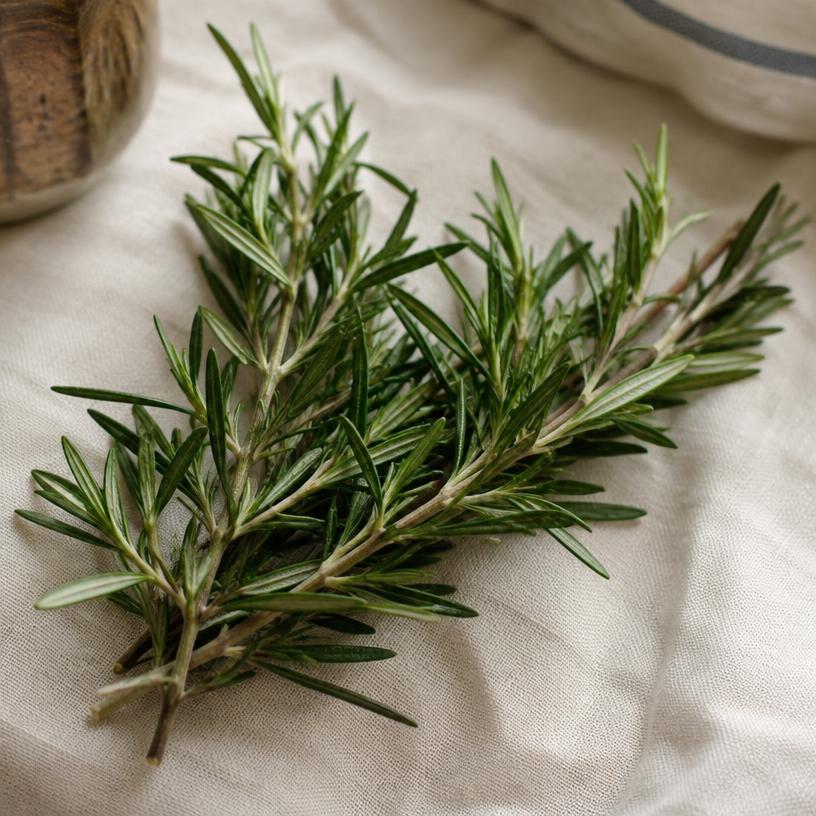
- Rosemary
- TraditionProtection, cleansing, remembrance.
- Comment on l'utiliseBundled and burned, added to floor washes, hung by doors.
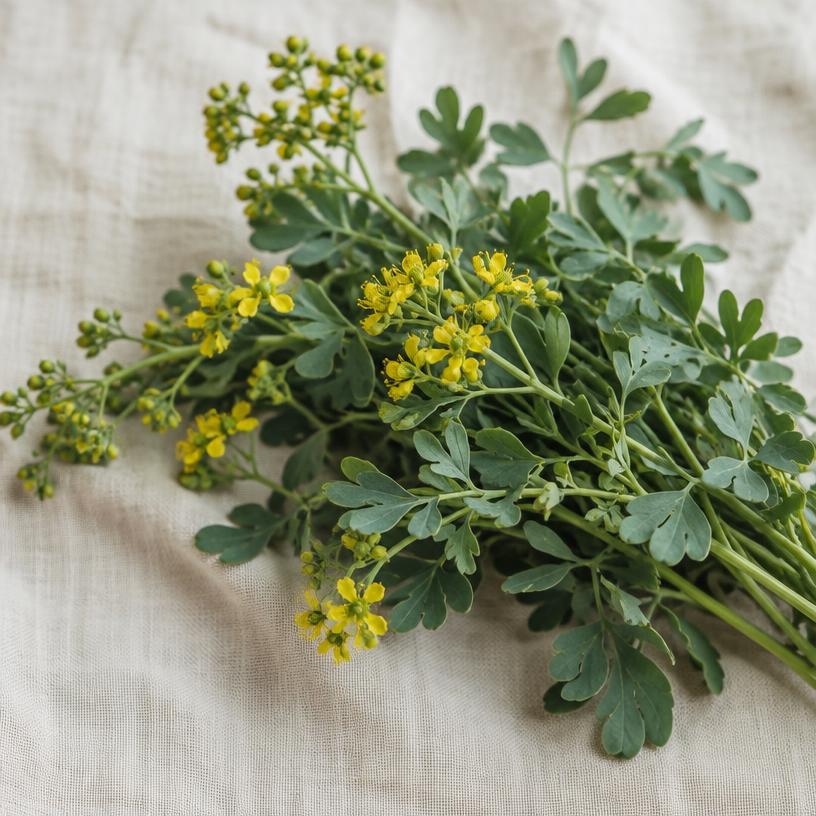
- Rue
- TraditionUne herbe de protection classique dans la magie populaire méditerranéenne et slave.
- Comment on l'utiliseHung dried by the door; a sprig carried. Not for internal use.
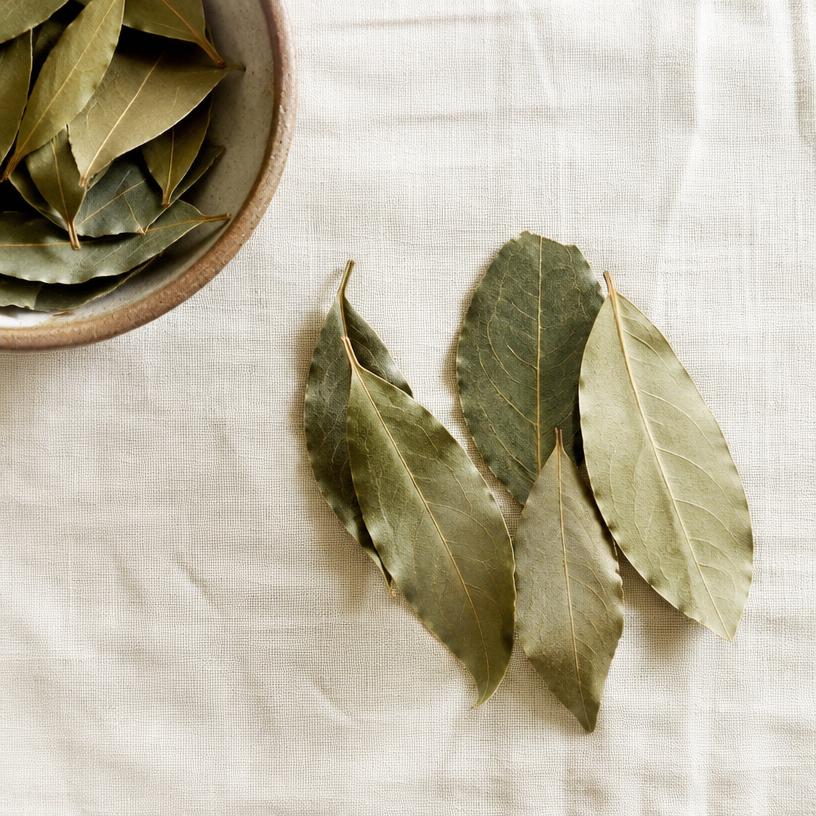
- Bay leaf
- TraditionProtection, wishes and success.
- Comment on l'utiliseWrite a wish on the leaf and burn it.
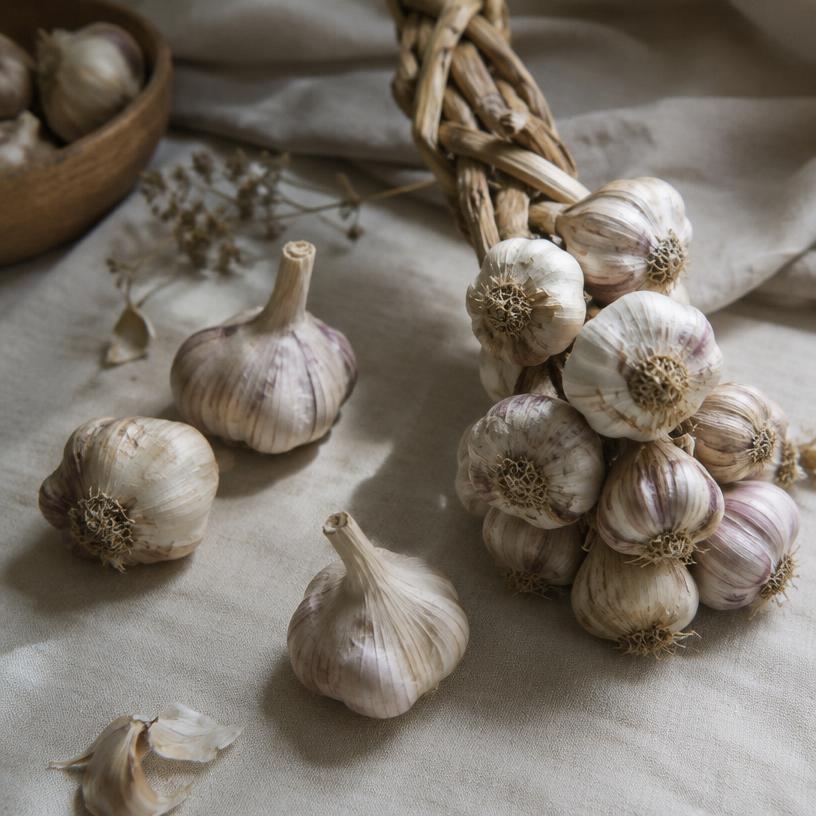
- Ail
- TraditionÉcarter le mal et la malveillance.
- Comment on l'utiliseTresses suspendues dans la cuisine ; clous de girofle aux fenêtres.
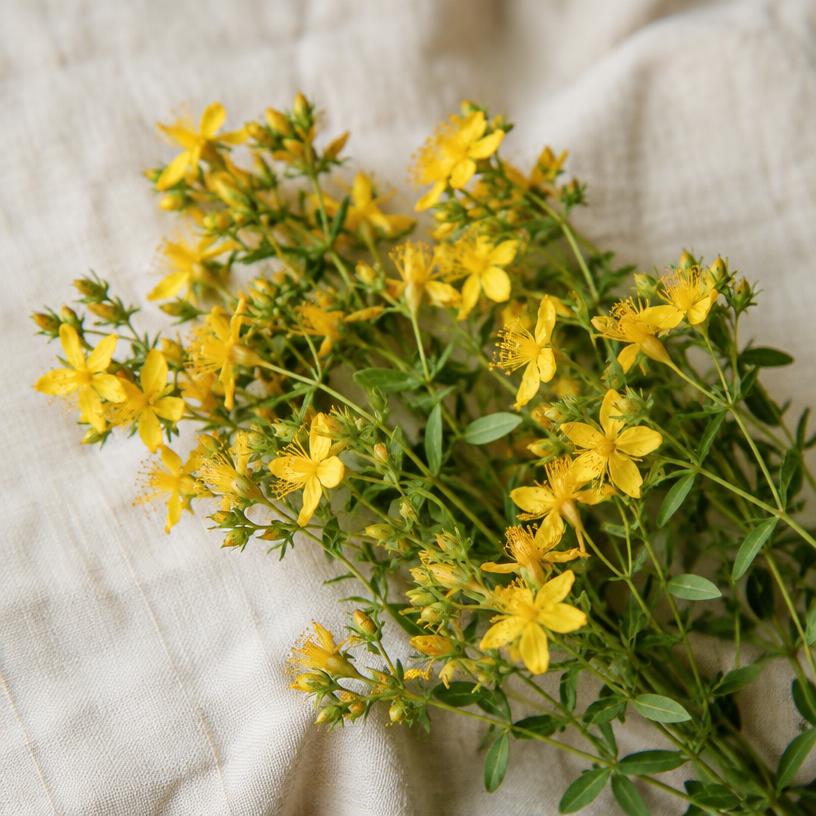
- Millepertuis
- TraditionProtection et lumière du solstice d'été.
- Comment on l'utiliseGathered at Midsummer and hung over doors.
Love herbs
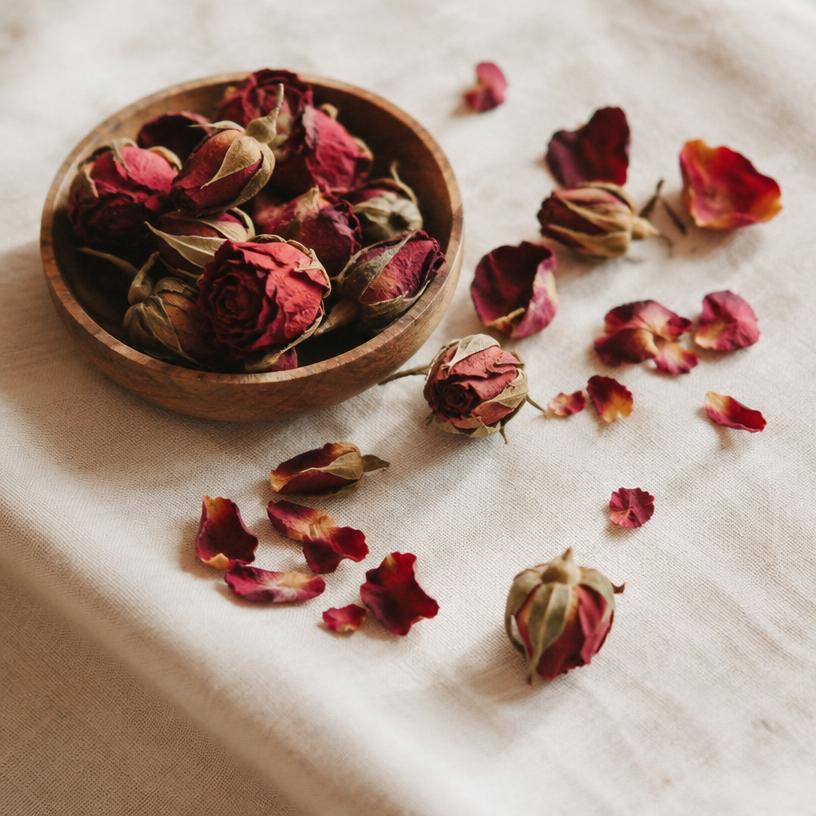
- Rose
- TraditionLove, beauty, self-worth.
- Comment on l'utilisePétales dans les bains, bocaux de miel et sachets d'amour.
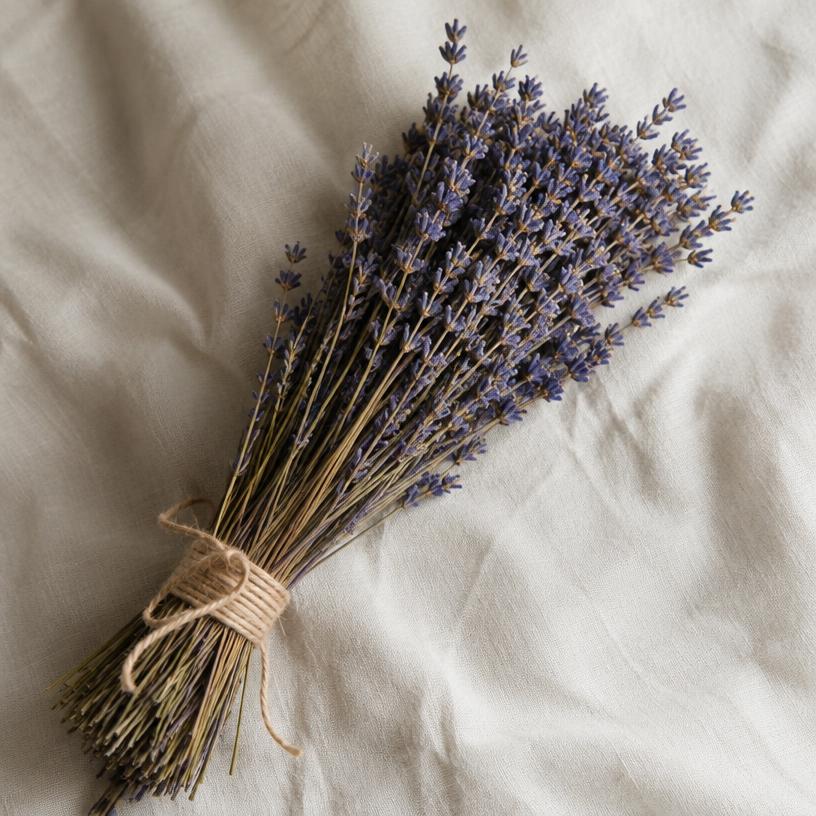
- Lavande
- TraditionPeace, gentle love, sleep.
- Comment on l'utiliseSachets in drawers and pillows; bath infusions.
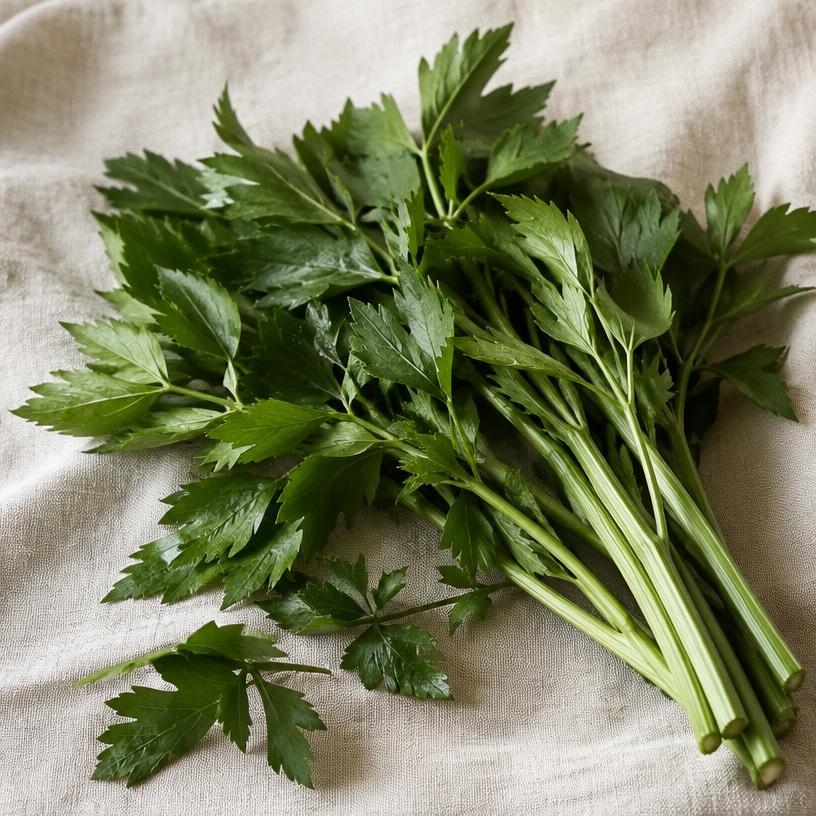
- Lovage
- TraditionAttraction, in Slavic and English folk magic.
- Comment on l'utiliseSteeped into a bath before meeting someone.
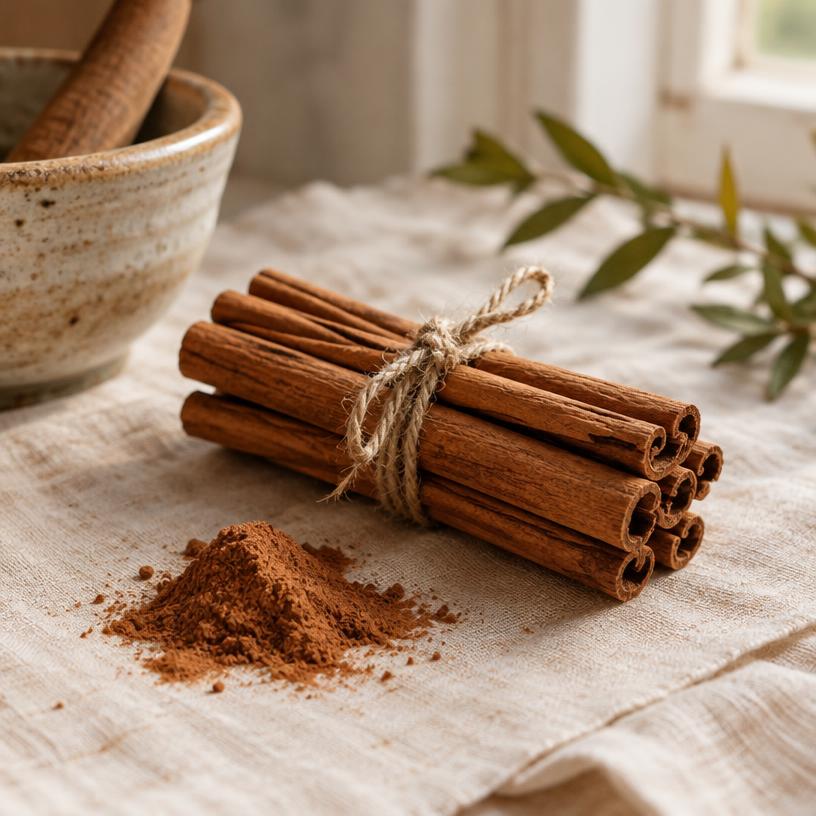
- Cinnamon
- TraditionWarmth, attraction, speed.
- Comment on l'utiliseUne pincée ajoutée aux sorts d'amour ou d'argent pour les accélérer.
Argent, rêves et purification
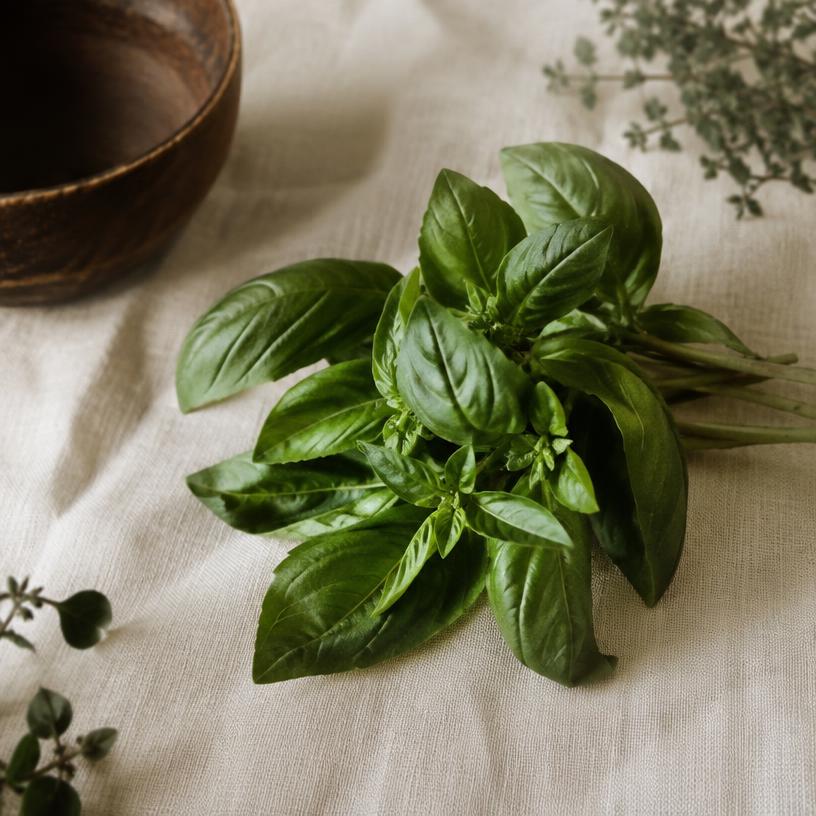
- Basil
- TraditionArgent et foyer heureux.
- Comment on l'utiliseGrown by the door; a leaf in the wallet.
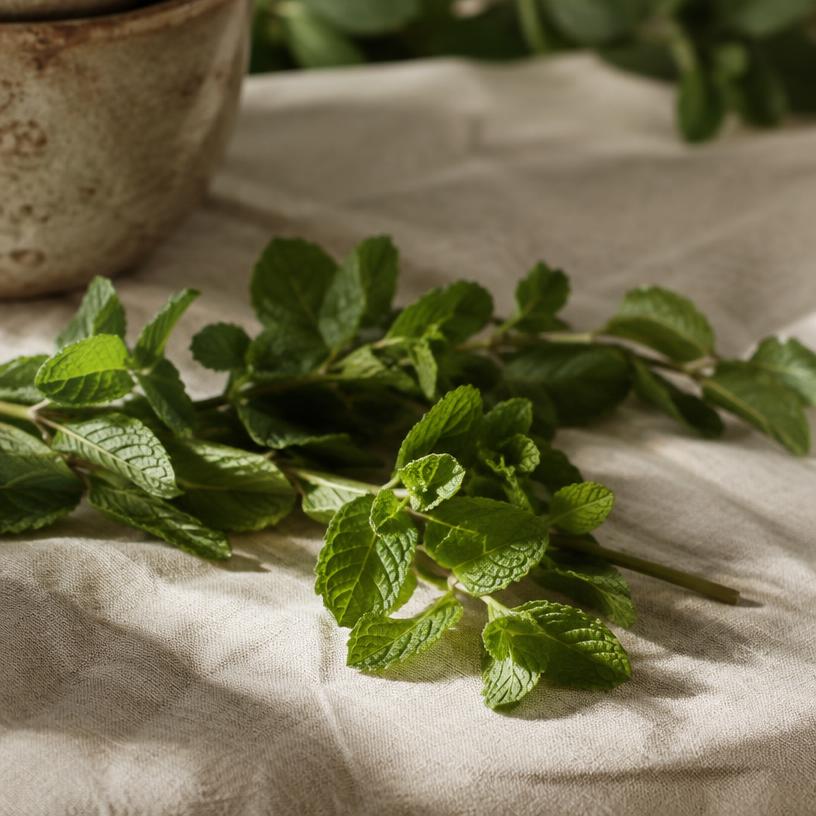
- Menthe
- TraditionProsperity and freshness.
- Comment on l'utiliseRubbed on cash boxes; added to money washes.
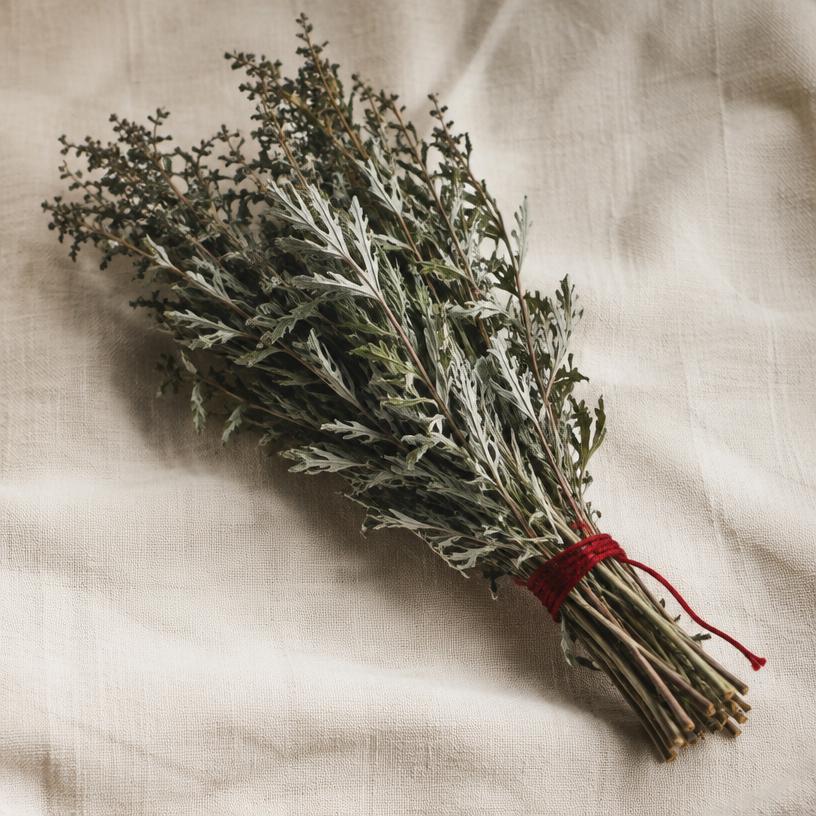
- Mugwort
- TraditionDreams and intuition.
- Comment on l'utiliseOreillers à rêves ; fumée avant la divination.
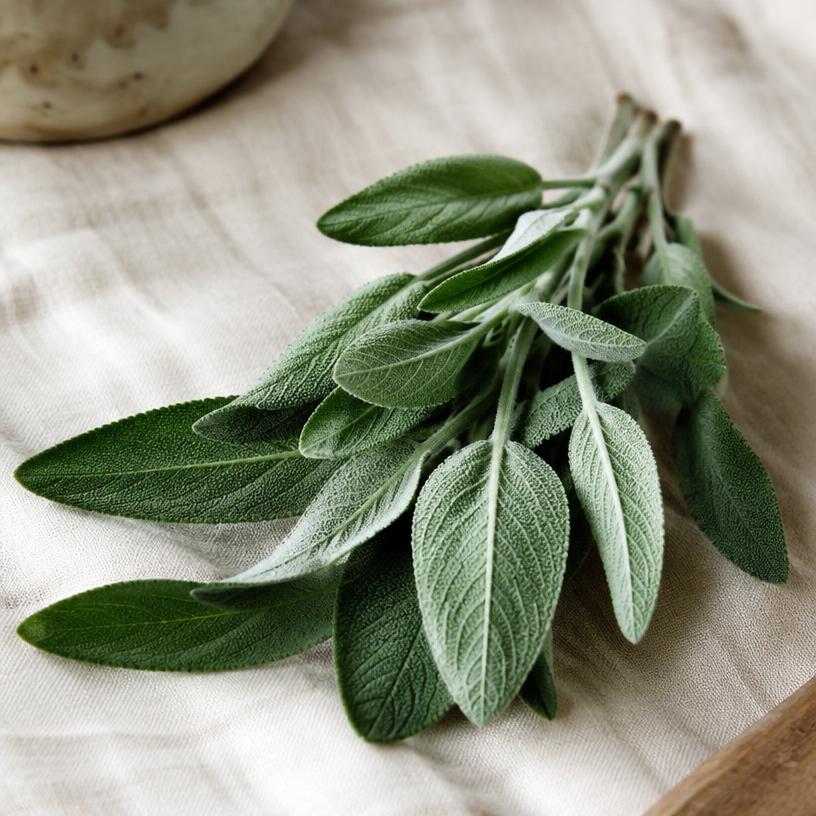
- Sage
- TraditionCleansing and wisdom.
- Comment on l'utiliseBrûlé pour purifier une pièce après une maladie ou un conflit.
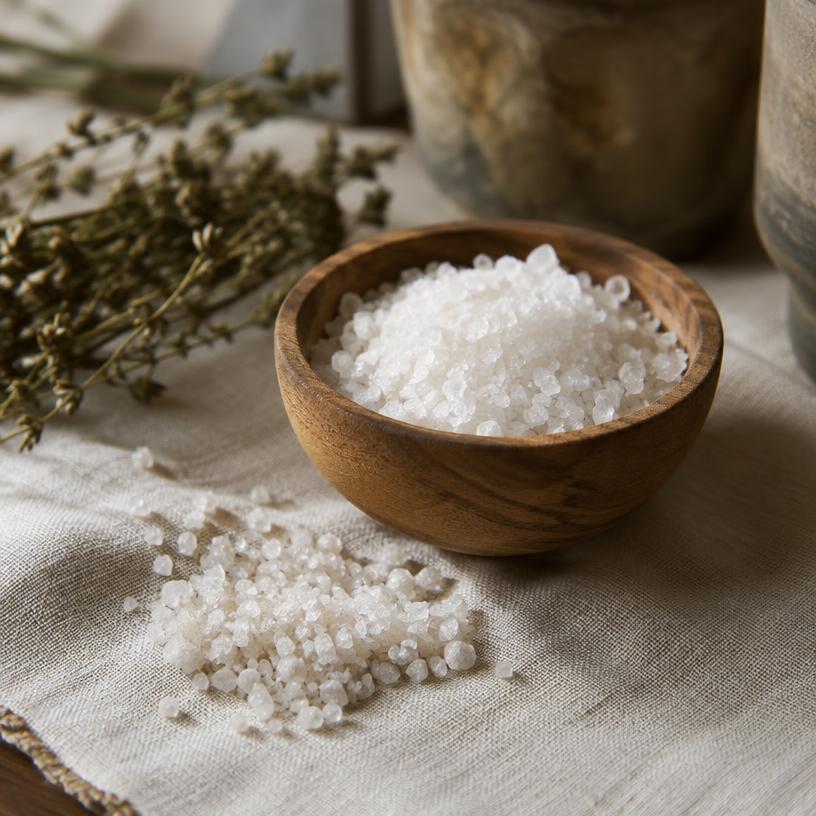
- Salt
- TraditionPurification et protection dans presque toutes les traditions.
- Comment on l'utiliseLines at thresholds, cleansing baths, protective circles.
Méthodes traditionnelles
- Sachets and pouches: herbs sewn into cloth and carried or hidden.
- Spell jars: herbs, salt, honey or oil sealed in a jar, often with a candle on top.
- Ritual baths and floor washes: a strong herb tea added to bathwater or a mop bucket.
- Candle magic: a candle carved with a name or symbol, dressed in oil and rolled in herbs.
- Knot magic: tying an intention into thread or cord, one knot at a time.
- Burning and burying: releasing a written wish by fire, or planting it to grow.
Safety
- Many magical herbs are not safe to eat or drink. Rue, mugwort and others can be harmful, especially in pregnancy.
- Patch-test any herb or oil before adding it to a bath.
- Never leave a candle burning unattended.
- Le travail magique ne remplace ni un médecin, ni un avocat, ni un thérapeute.
If you'd rather have a spell cast for you by hand, our partner practitioners offer traditional spell work through the shops page.
Step-by-step how-to guides
- How to read tarot cards
- How to use angel oracle cards
- Comment lire les cartes à jouer
- Comment utiliser les cristaux dans les sortilèges
- Comment utiliser les herbes en sorcellerie
- The Dr. Moorne Egyptian Tarot deck and how to read it
- How to read dice · Signification des dés
- How to read tea leaves · Symboles des feuilles de thé
- Comment utiliser un pendule · Signification du pendule
- Comment lancer un sort à la bougie · Candle color meanings
- How to make a spell jar · Spell jar recipes
- How to make a sigil · Méthodes de sigils
- How to cleanse your home · Home cleansing methods
- How to set up an ancestor altar · Ancestor altar items
- How to open a sacred space · Outils de l'espace sacré
- How to time spells with the moon · Significations des phases de la Lune
- How to work with water and salt · Water and salt magic
- How to make a protection charm bag · Recettes de sachets porte-bonheur
Continuez d'explorer
See the tarot card meanings, angel oracle cards, playing card meanings, crystals for spells and herbs in witchcraft guides, lisez le Journal, or visit the shops for a reading or spell from our partner practitioners.