Guide
Candle Color Meanings
Ni Seraphina
A candle can mark a beginning, hold a quiet intention, or make an ordinary evening feel ceremonial. In candle magic and related folk practices, color offers a symbolic language: red may suggest courage, blue may evoke calm, and white may stand for clarity. These associations are useful starting points, not universal rules. Meanings vary across religious traditions, regional customs, modern occult systems, and individual households. At Crossroads Journal, we encourage you to begin with the tradition you actually follow, then notice which colors carry honest personal meaning for you.
Shape adds another layer. A taper can suit a brief, focused observance; a pillar may accompany a practice repeated over several evenings; a molded heart makes its subject immediately visible. None is inherently more powerful than another. Material, fragrance, wick size, and the setting also shape the experience, often more noticeably than symbolism does. Choose a candle you can burn safely, afford comfortably, and use without discomfort. An unscented candle or a flameless light is a perfectly reasonable choice when smoke, pets, shared housing, or sensory needs make an open flame unsuitable.
Flames and wax invite observation, but they also invite overinterpretation. A flicker usually reflects moving air; soot can indicate an oversized wick or poor combustion; uneven wax may come from a tilted surface. Some practitioners read these patterns symbolically, treating them as prompts for reflection rather than messages with fixed answers. This guide keeps those two perspectives separate. Use its correspondences as a reference, adapt them thoughtfully, and let practical fire safety take priority over any ritual instruction.
Candle colors and their common associations
These meanings are common in contemporary candle practice, especially modern Western esoteric settings. They should not be treated as a single, universal folk tradition.
- White
- MeaningOften associated with clarity, peace, purification, and remembrance. White also has specific religious and mourning meanings that vary by community.
- UsePiliin ito para sa tahimik na simula, isang paggunita, o sandali ng pagninilay. May mga makabagong mananaliksik na gumagamit ng puti kapag walang ibang kulay na magagamit.
- Black
- MeaningIn many modern practices, black represents boundaries, protection, endings, or releasing what no longer serves you. It is not inherently a symbol of harmful intent.
- UseHayaan itong magmarka ng desisyong umatras, magsara ng kabanata, o patatagin ang personal na hangganan. Ipares ang ritwal sa mga praktikal na hakbang na sumusuporta sa desisyong iyon.
- Red
- MeaningCommon associations include vitality, courage, passion, and determination. Red also carries protective or auspicious meanings in some cultural settings.
- UseGamitin ito upang tumuon sa sarili mong kumpiyansa, motibasyon, o kahandaan para sa mahirap na pag-uusap. Sa gawaing may kinalaman sa relasyon, panatilihing nakasentro ang intensyon sa pahintulot sa halip na kontrolin ang ibang tao.
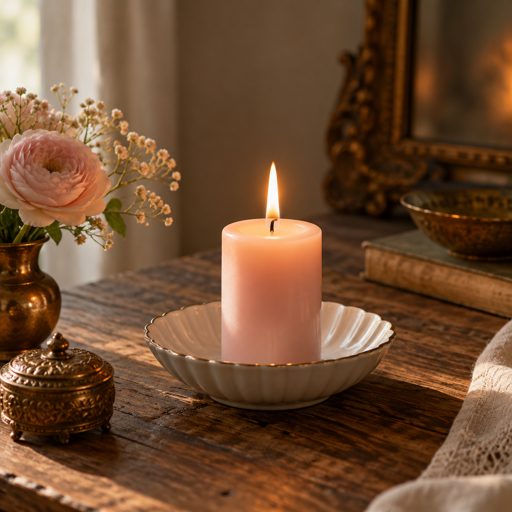
- Pink
- MeaningPink often signifies tenderness, friendship, affection, and self-compassion. It is commonly chosen for gentler relationship intentions.
- UsePair it with journaling about kindness, mutual care, or the qualities you want to bring to a relationship. It cannot secure another person's affection.
- Orange
- MeaningOrange commonly suggests enthusiasm, creativity, sociability, and momentum.
- UseChoose it when starting a creative project or preparing to share your work. Make the intention specific enough to follow with one achievable action.
- Yellow
- MeaningMadalas iugnay ang dilaw sa pag-aaral, kumpiyansa, komunikasyon, at kalinawan ng isip. Ang imaheng solar ay nagbibigay-alam sa ilan sa mga ugnayang ito.
- UseUse it as a visual cue before studying, writing, or rehearsing a presentation. Keep the flame well away from notebooks and loose papers.
- Green
- MeaningGreen often represents growth, renewal, prosperity, and the natural world. Its connection with money is especially familiar in some modern Western practices.
- UseChoose it for intentions around steady progress, budgeting, or tending a project. Treat prosperity symbolism as encouragement, not a promise of income.
- Light blue
- MeaningLight blue commonly suggests calm, patience, gentleness, and clear communication.
- UseLet it accompany a short pause before a conversation or a quiet evening reflection. Extinguish it before lying down or becoming sleepy.
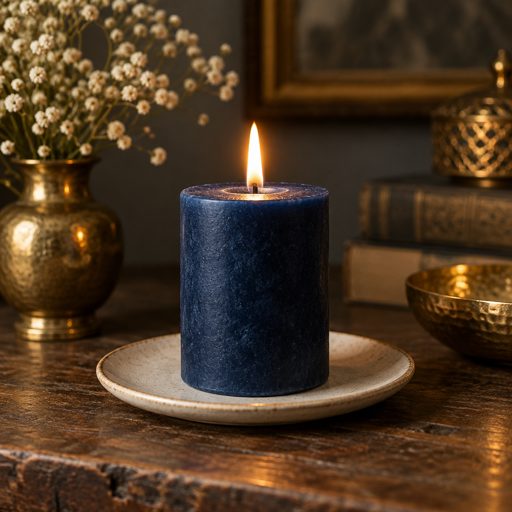
- Dark blue
- MeaningDark blue is often associated with depth, steadiness, wisdom, and contemplation. Some systems also connect it with protection or dreams.
- UseChoose it for reflective writing or considering a long-term commitment. For a bedtime practice, use a flameless candle instead.
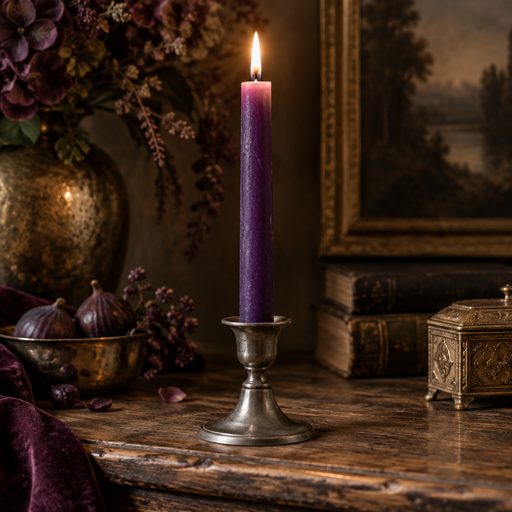
- Lila
- MeaningPurple commonly symbolizes spiritual reflection, dignity, imagination, and personal authority. Modern esoteric practices sometimes associate it with intuition.
- UseUse it while exploring values, studying symbolism, or reflecting on leadership. Intuitive impressions are not reliable evidence about other people or future events.
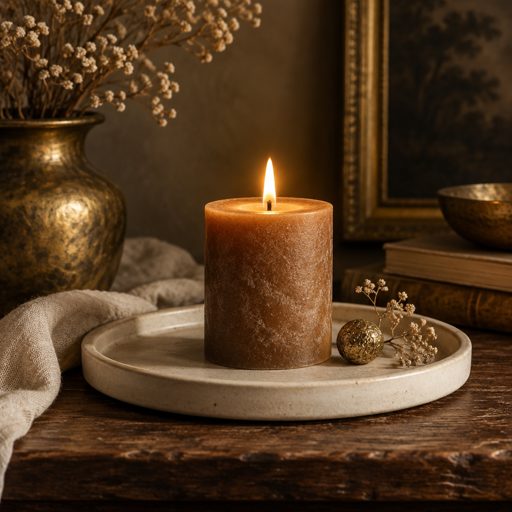
- Kayumanggi
- MeaningBrown often represents stability, home, practical responsibilities, and grounded attention.
- UseChoose it for a household reset or a commitment to a manageable routine. Its symbolism suits ordinary, sustained care rather than dramatic change.
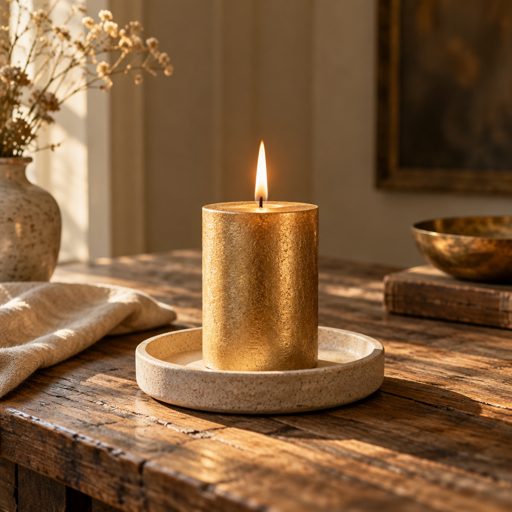
- Gold
- MeaningGold commonly evokes the sun, celebration, generosity, recognition, and abundance.
- CautionChoose a candle specifically made for burning. Metallic paint, craft glitter, or decorative foil can make an ornamental candle unsuitable to light.
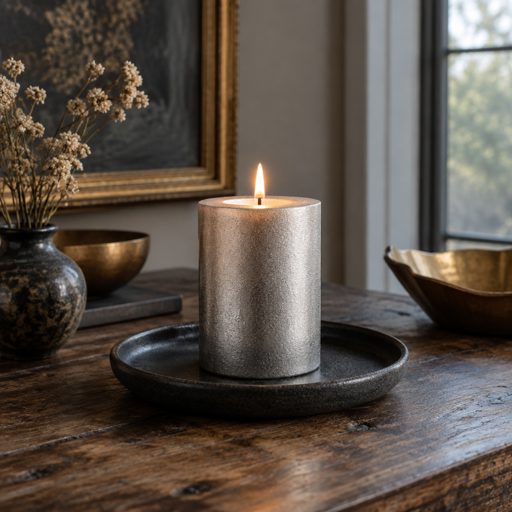
- Pilak
- MeaningSilver often carries lunar associations: reflection, cycles, receptivity, and intuition.
- UseChoose it for reflecting on a transition or reviewing a recurring pattern. Check that any metallic finish is intended for a burning candle.
Candle shapes and formats
Shape can help organize a personal practice, but many formats are simply practical designs. The meanings below are optional interpretations rather than fixed historical rules.
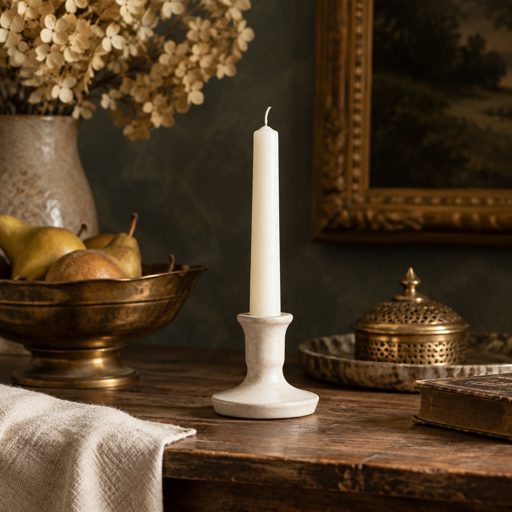
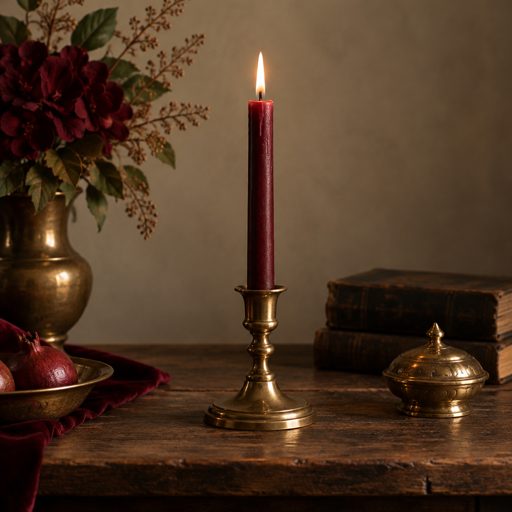
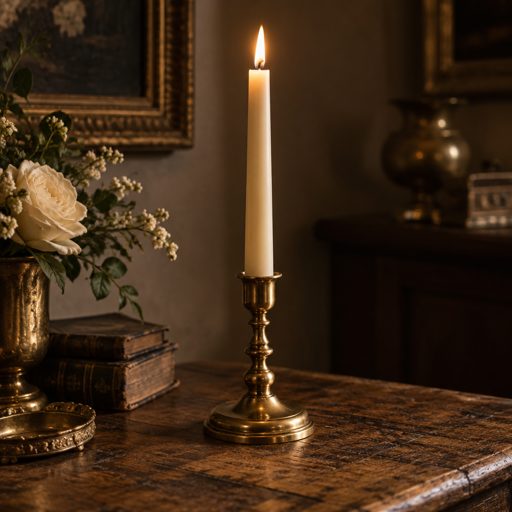
- Taper
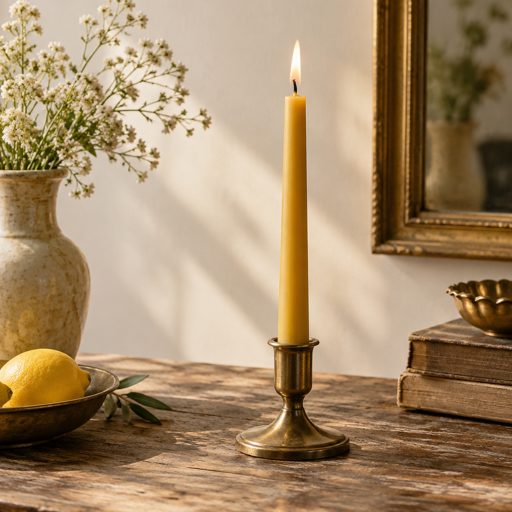
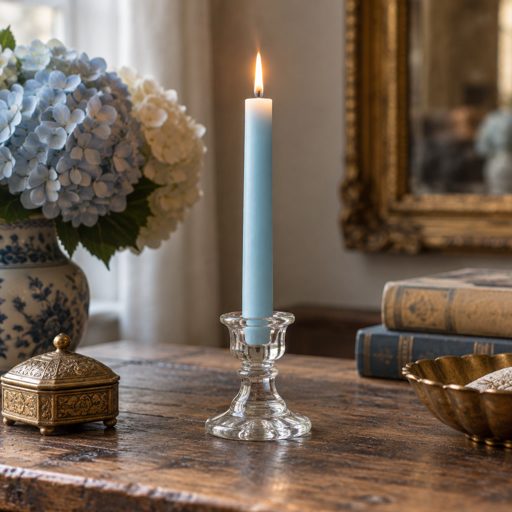
- MeaningIts upright form can symbolize focus, aspiration, or a clearly stated intention.
- CautionUse a properly fitted, stable holder and a heat-resistant drip tray. Keep tall flames clear of shelves and hanging decorations.
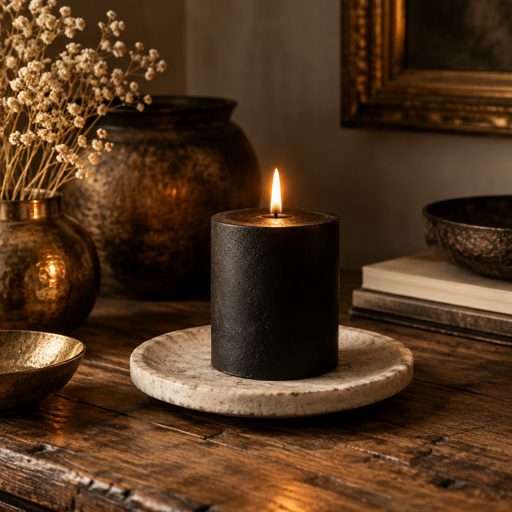
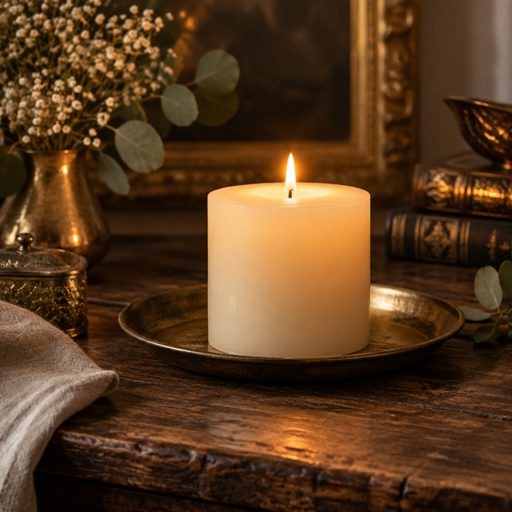
- Pillar
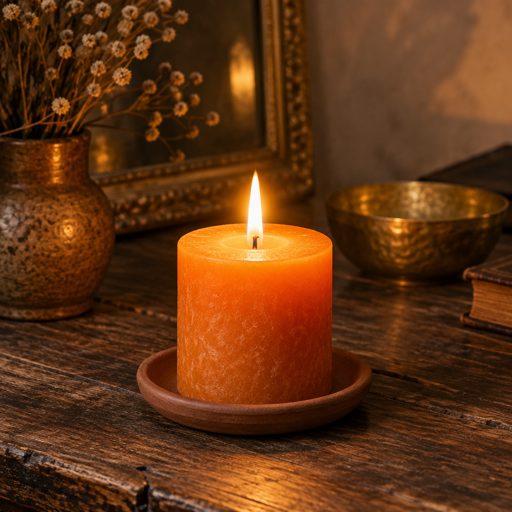
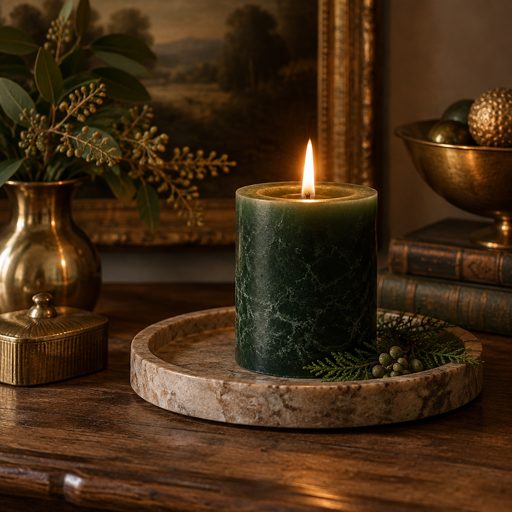
- MeaningA pillar can represent steadiness, endurance, or an intention revisited over time.
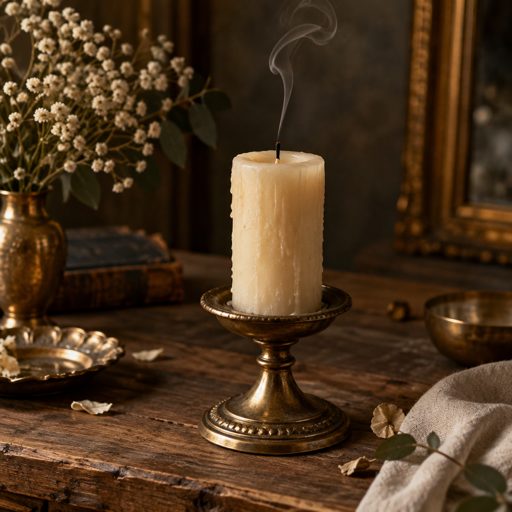
- UseIt may suit several supervised sessions rather than one long burn. Follow the maker's limits for session length and remaining wax.
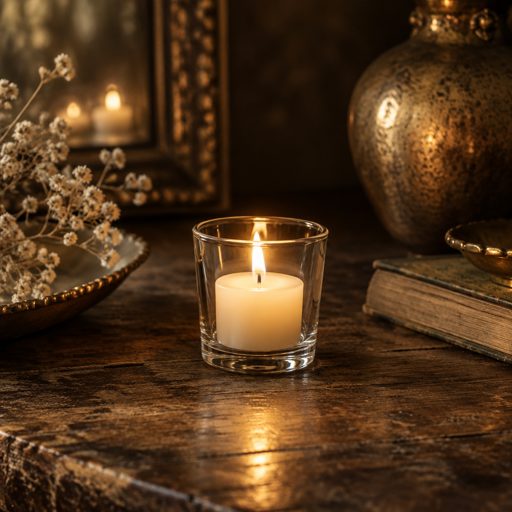
- Votive
- TraditionVotive lights appear in several devotional settings, where their meaning depends on the faith and context. The format alone does not define a particular magical purpose.
- CautionMany votives are designed to liquefy inside a fitted holder. Do not assume a small freestanding votive will hold its shape.
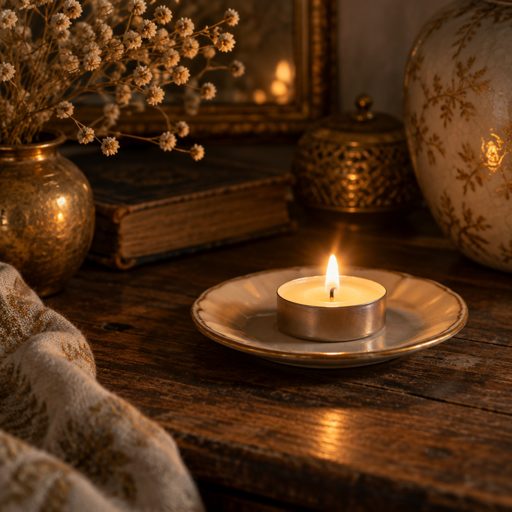
- Tea light
- UseMaaaring markahan ng tea light ang maikling pagdiriwang o simpleng araw-araw na paghinto. Hindi mo kailangang hayaan itong maubos upang makumpleto ang ritwal.
- CautionThe cup and supporting surface can become hot. Use an appropriate holder, and never cluster tea lights tightly together.
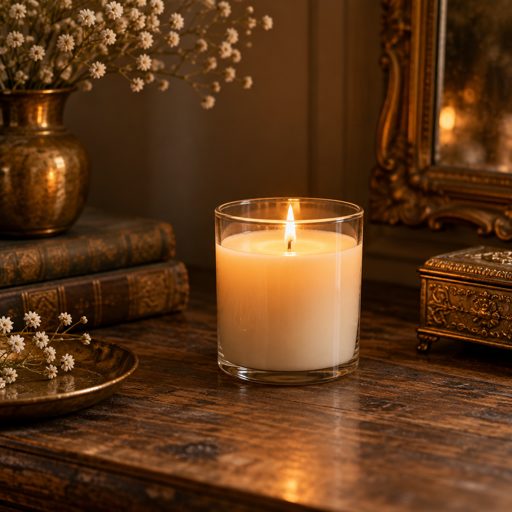
- Container candle
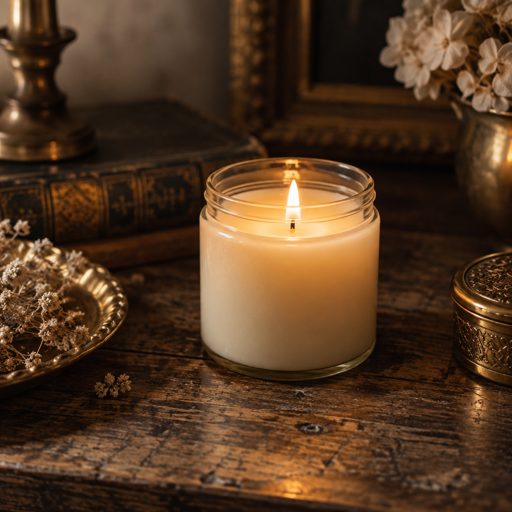
- UseA contained wax pool can make this format convenient for a repeated practice. An undecorated exterior also keeps the focus on the light itself.
- CautionUse a purpose-made candle container, not an ordinary drinking glass. Stop using it if the vessel cracks, overheats, or reaches the manufacturer's minimum wax level.
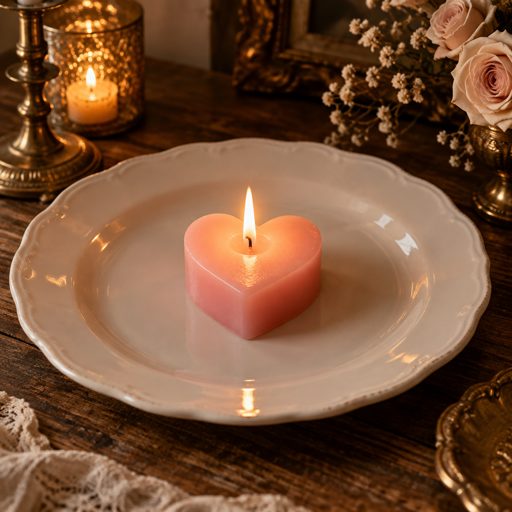
- Heart-shaped candle
- MeaningGinagawang tahasan ng puso ang mga tema ng pagmamahal, habag, at ugnayan.
- UseCenter the practice on self-respect, mutual care, or openness to a consensual relationship. Irregular shapes may drip widely, so provide a generous tray.
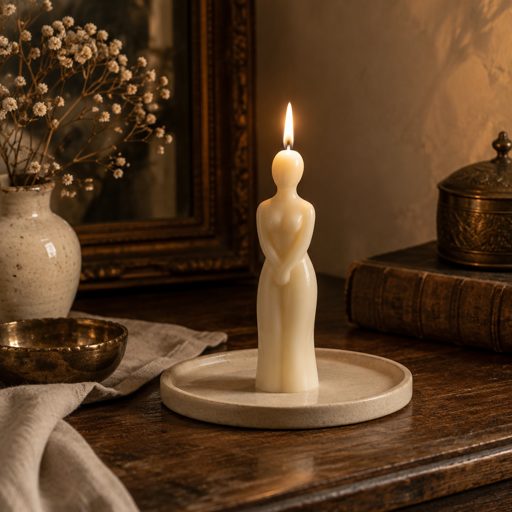
- Kandilang hugis-tao
- TraditionFigure candles appear in some folk-magic and occult practices as symbolic stand-ins for a person. Their use and interpretation depend on the particular practice.
- UseA consent-respecting approach is to let the figure represent yourself and a quality you want to develop. Keep personal symbolism separate from claims about influencing someone else's will.
- Knob or segmented candle
- TraditionSome modern ritual instructions assign an intention or session to each segment. Seven-knob candles are one familiar version of this format.
- CautionSegments are not reliable timers and may burn unevenly. Extinguish the candle whenever safety requires, even halfway through a section.
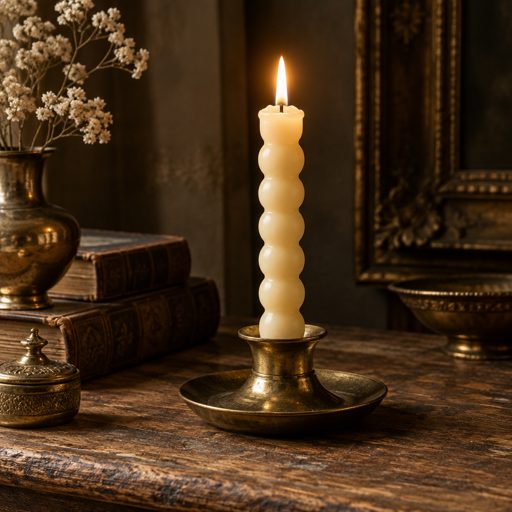
Flame and wax signs: observation before interpretation
There is no reliable evidence that candle behavior predicts outcomes or reveals another person's thoughts. If you use signs symbolically, record the physical conditions first and treat the interpretation as a reflection prompt.
- Matatag na apoy
- ObservationA steady flame generally reflects relatively stable airflow and suitable burning conditions.
- ReflectionItinuturing ito ng ilang mananaliksik bilang simbolo ng pokus o katatagan. Hindi nito pinatutunayan na magtatagumpay ang isang intensyon.
- Kumikislap na apoy
- ObservationAng gumagalaw na hangin, kalapit na galaw, o kondisyon ng mitsa ay maaaring magdulot ng pagkislap. Suriin ang hangin bago magbigay ng kahulugan.
- ReflectionIf useful, let the movement prompt a question about distraction or change. It is not evidence that a spirit is present.
- Unusually tall flame
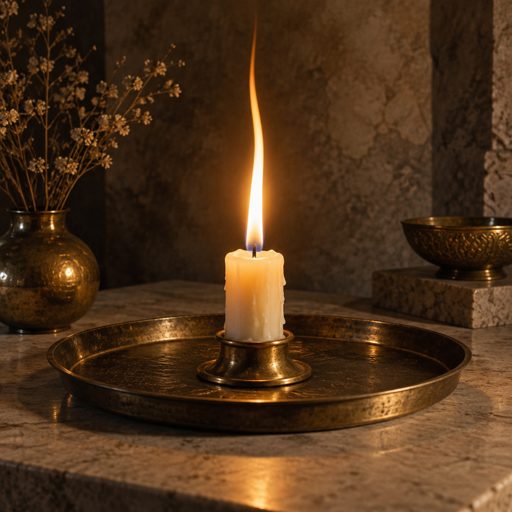
- ObservationAn oversized flame may result from a long wick, excess fuel, or a candle defect. It should be treated as a safety concern, not a measure of magical strength.
- CautionExtinguish the candle safely and let it cool before checking the wick against the maker's instructions. Discontinue use if the problem returns.
- Small or weak flame
- ObservationA short wick, a wick drowning in wax, or poor wick-and-wax compatibility can produce a weak flame.
- ReflectionSome readers associate it with low momentum, but it is not evidence of a blocked intention. Do not dig into hot wax or add oils to strengthen the flame.
- Soot or dark residue
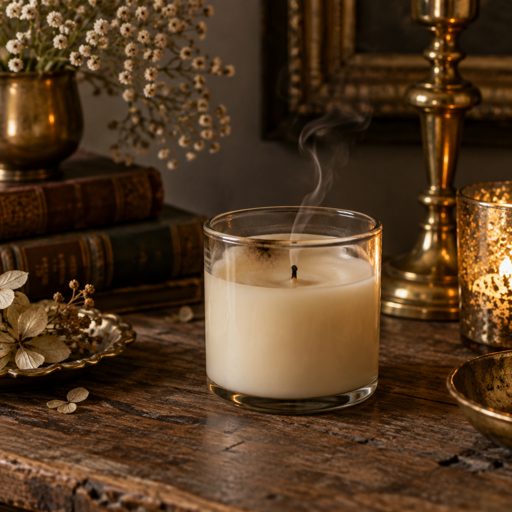
- ObservationAng uling ay maaaring dulot ng hindi kumpletong pagkasunog, hangin, o problema sa mitsa. Maaari ring makaapekto sa pagkasunog ang halimuyak at pagbubuo ng wax.
- CautionExtinguish a persistently smoking candle and ventilate the room. Dark residue does not establish the presence of a curse or harmful energy.
- Crackling or popping
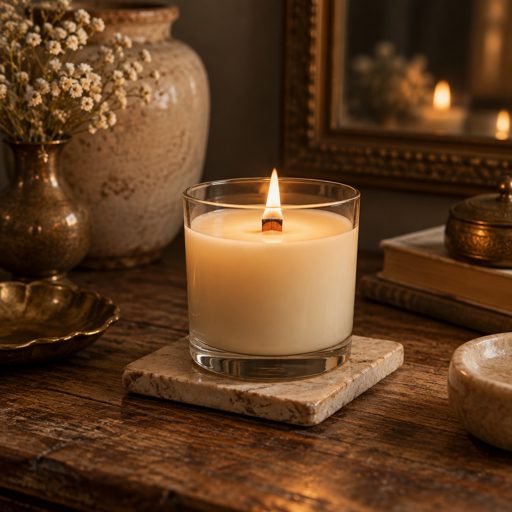
- ObservationSome wooden wicks are designed to crackle softly. Unexpected popping in other candles can involve moisture, debris, or combustion problems.
- CautionExtinguish the candle if it spits hot wax, sparks, or behaves erratically. Sounds are not reliable messages or evidence of unseen activity.
- Flame going out
- ObservationA draft, a submerged wick, or insufficient usable fuel can extinguish a flame.
- ReflectionYou may choose to pause and reconsider your intention, but the event does not mean rejection or predict failure. Inspect the cooled candle before considering relighting it.
- Hindi pantay na daloy ng wax o tunneling
- ObservationA tilted surface, drafts, wick placement, or burn history can cause uneven melting. Tunneling leaves a well around the wick with unmelted wax at the sides.
- ReflectionWax flowing in one direction has no universal symbolic meaning. Do not tilt a burning candle or improvise a foil cover to force a preferred pattern.
- Recognizable shapes in cooled wax
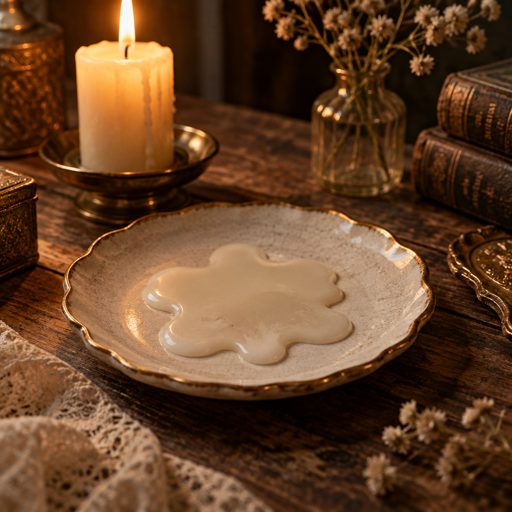
- TraditionWax divination, often called ceromancy, interprets wax forms symbolically. Methods and meanings vary, and people naturally perceive familiar shapes in random patterns.
- UseObserve wax that has cooled naturally on its tray and write down your own associations. Avoid pouring hot wax into water, onto skin, or over objects.
Praktikal na pangangalaga para sa makatotohanang gawain sa kandila
A meaningful observance does not require expensive supplies, an uninterrupted burn, or a dramatic sign. Make safety part of the practice itself.
- Never leave a burning candle unattended. Extinguish it before leaving the room or going to sleep, and keep it out of reach of children and pets.
- Place candles upright on stable, heat-resistant surfaces, at least 12 inches from anything that can burn. Follow the manufacturer's instructions for spacing, wick trimming, burn time, and when to stop using the candle.
- Keep dried herbs, flowers, red thread, paper, loose glitter, and other combustible decorations away from the wick and wax pool. Do not add essential oils, perfume, or other liquids to a finished candle.
- Trim and inspect wicks only when the candle is extinguished and cool. Never move a burning candle or handle a container full of hot wax.
- Use an appropriate snuffer or the maker's recommended extinguishing method. Never pour water onto burning wax; if a fire spreads or cannot be controlled safely, leave and call emergency services.
- Pumili ng walang amoy o walang-apoy na opsyon kung ang bango o usok ay nagdudulot ng hindi ginhawa. Magbigay ng wastong bentilasyon nang hindi inilalagay ang apoy sa lugar na may hangin, at mag-ingat nang higit sa paligid ng mga ibon at iba pang alagang sensitibo sa usok.
- Huwag lunukin ang wax ng kandila, langis ng ritwal, o mga di-kilalang halamang-gamot, at huwag ipalagay na ligtas ang pagdikit sa balat. Ang mga karaniwang kandila ay hindi dinisenyo para tumulo ang wax sa katawan.
- Let leftover wax cool, then dispose of it according to local guidance. Keep wax out of drains and soil; do not pour ritual salt water onto plants, lawns, or garden beds.
- If you keep a candle journal, record the candle type, wick condition, room airflow, and burn duration alongside any symbolic interpretation. Avoid repeated burns intended to obtain a more reassuring sign.
- A ritual can end whenever you choose to extinguish the flame. Follow reflection with a practical action, and seek qualified help for medical, legal, financial, or safety concerns.
Candle symbolism reflects tradition, belief, and personal interpretation, not proven supernatural effects or a substitute for professional advice.
Step-by-step how-to guides
- How to read tarot cards
- How to use angel oracle cards
- Paano magbasa ng playing cards
- Paano gumamit ng mga kristal sa mga spell
- Paano gumamit ng mga halamang-gamot sa witchcraft
- The Dr. Moorne Egyptian Tarot deck and how to read it
- How to read dice · Dice meanings
- How to read tea leaves · Tea leaf symbols
- Paano gumamit ng pendulum · Pendulum meanings
- How to cast a candle spell · Candle color meanings
- How to make a spell jar · Spell jar recipes
- How to make a sigil · Mga pamamaraan ng sigil
- How to cleanse your home · Home cleansing methods
- How to set up an ancestor altar · Ancestor altar items
- How to open a sacred space · Mga kagamitan sa sagradong espasyo
- How to time spells with the moon · Mga kahulugan ng yugto ng buwan
- How to work with water and salt · Water and salt magic
- How to make a protection charm bag · Mga resipe ng charm bag
Magpatuloy sa paggalugad
See the tarot card meanings, angel oracle cards, playing card meanings, crystals for spells and herbs in witchcraft mga gabay, basahin ang Journal, or visit the shops for a reading or spell from our partner practitioners.