Guide
Herbs in Witchcraft: How Traditional Spell Work Is Done
Ni Seraphina
Folk witchcraft has always been kitchen-and-garden magic. Village healers across Europe, Africa and the Americas worked with what grew nearby: herbs hung at doors, salt on thresholds, wax candles and knotted thread. The power was in intention, repetition and a living tradition passed hand to hand.
This guide explains how that work is actually done. It describes traditional practice and belief; it doesn't promise outcomes.
The core of a spell
- Intention: one clear purpose, stated simply.
- Materials: herbs, oils, salt, candles or stones that correspond to the purpose.
- Action: something you do with your hands, such as burning, tying, burying, bathing or carrying.
- Words: a spoken charm, prayer or plain statement of what you want.
- Timing: often the moon phase, a day of the week, or a festival such as Midsummer.
- Closing: thanks, then disposing of the remains respectfully, usually by burying them or leaving them at a crossroads.
Protection herbs
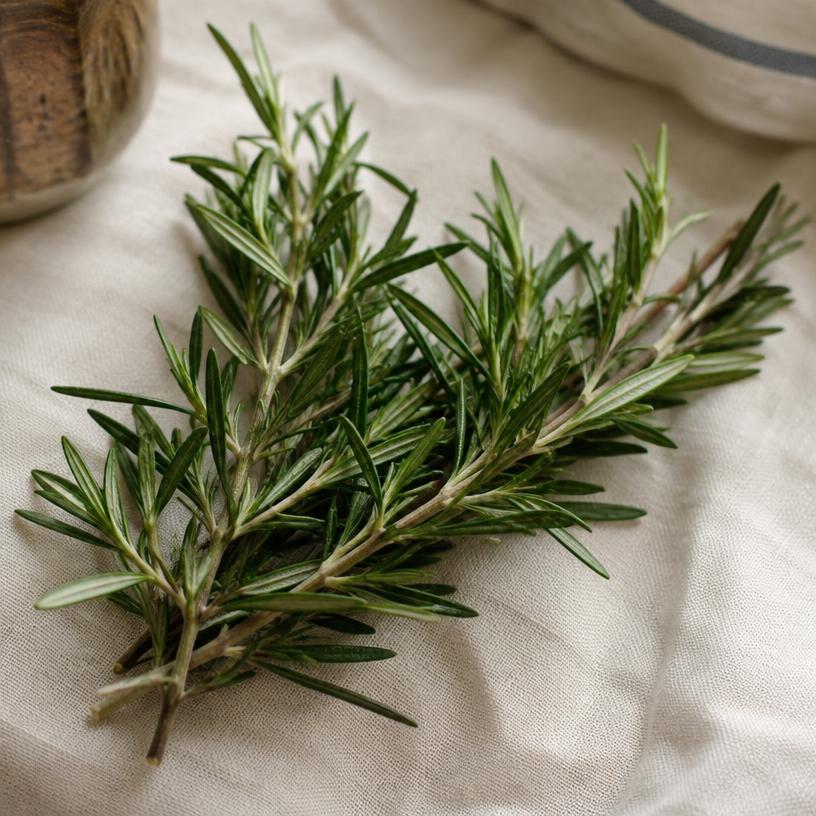
- Rosemary
- TraditionProtection, cleansing, remembrance.
- How it's usedBundled and burned, added to floor washes, hung by doors.
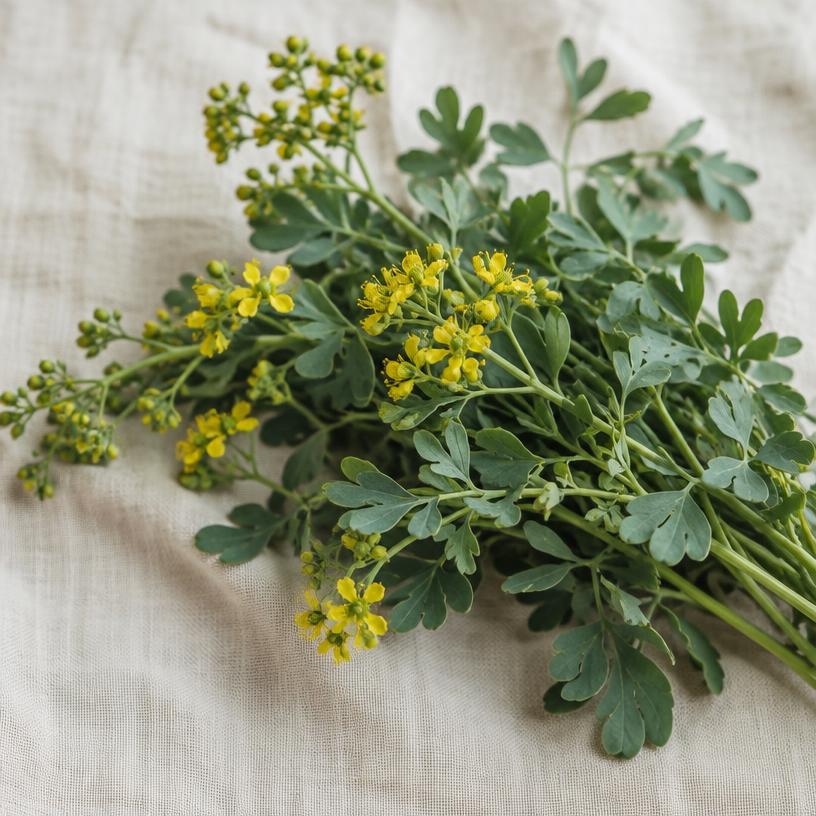
- Rue
- TraditionKlasikong halamang pananggalang sa mahika ng bayan sa Mediteraneo at Slavic.
- How it's usedHung dried by the door; a sprig carried. Not for internal use.
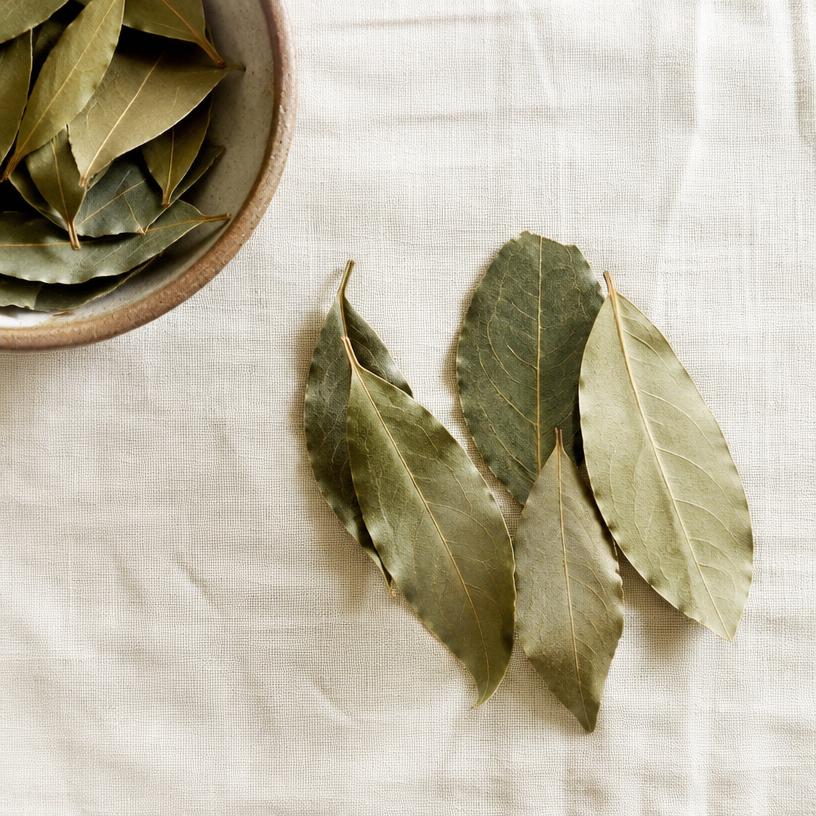
- Bay leaf
- TraditionProtection, wishes and success.
- How it's usedWrite a wish on the leaf and burn it.
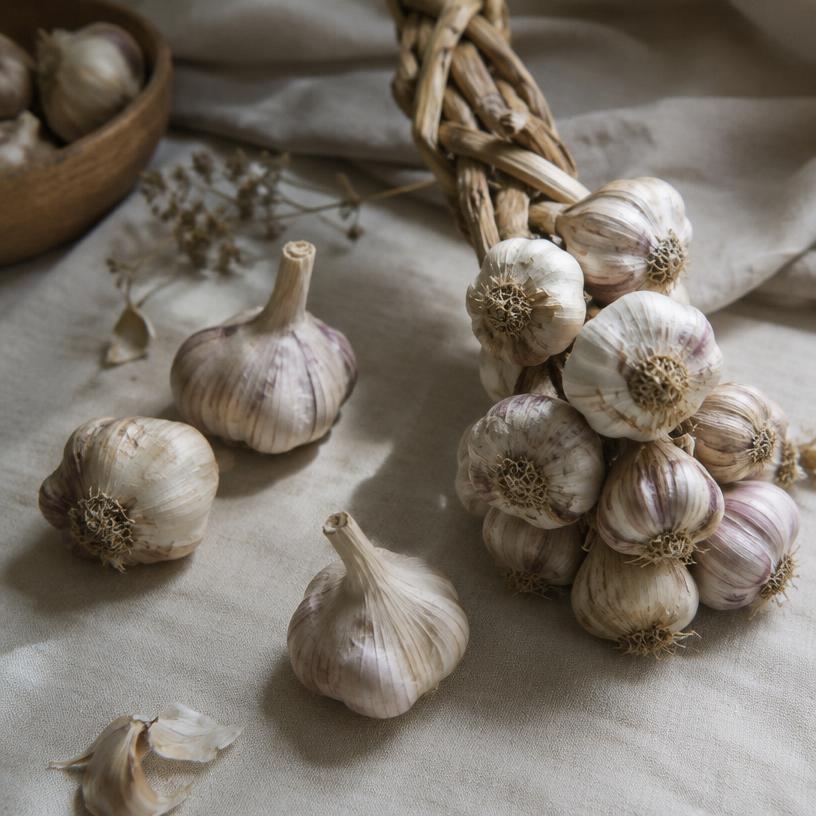
- Bawang
- TraditionPagtaboy ng pinsala at masamang hangarin.
- How it's usedMga tirintas na isinabit sa kusina; mga clove sa mga bintana.
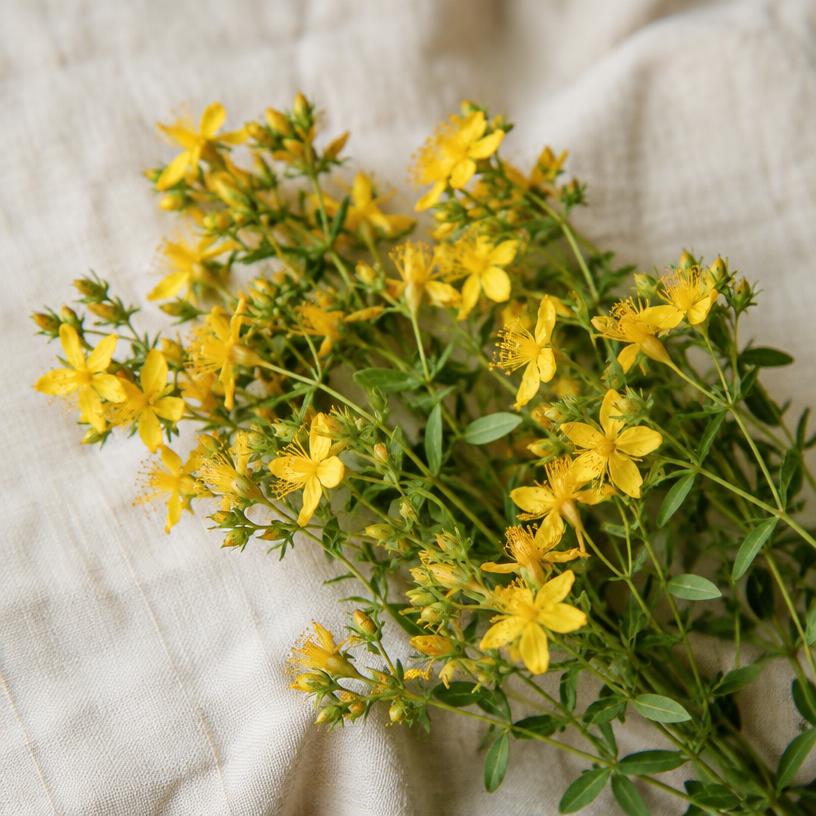
- St John's wort
- TraditionMidsummer protection and light.
- How it's usedGathered at Midsummer and hung over doors.
Love herbs
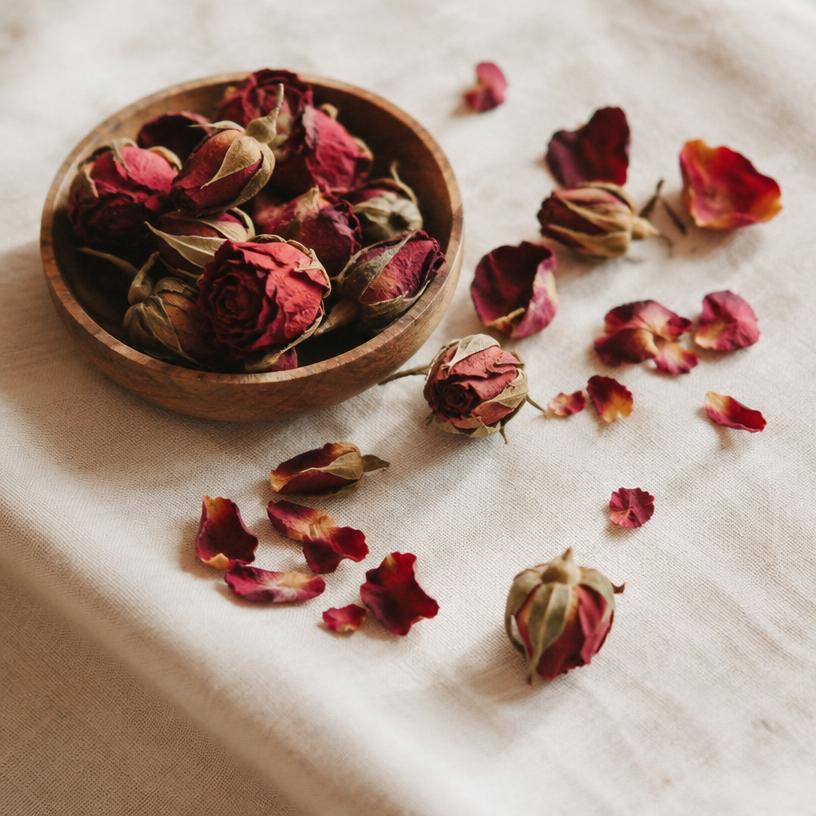
- Rose
- TraditionLove, beauty, self-worth.
- How it's usedMga talulot sa paligo, garapon ng pulot, at supot ng pag-ibig.
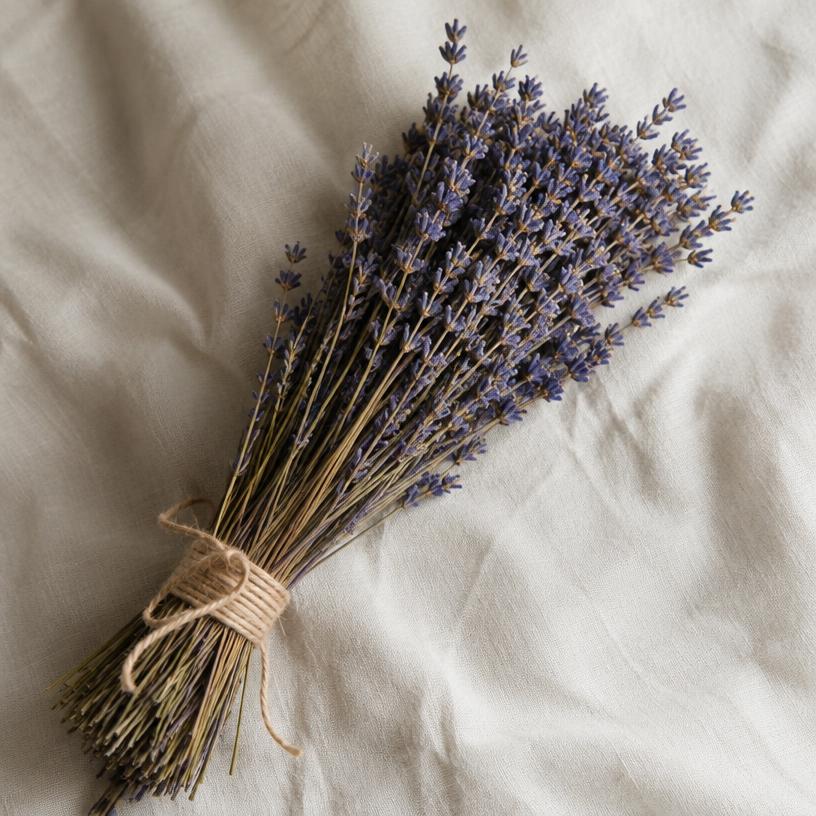
- Lavender
- TraditionPeace, gentle love, sleep.
- How it's usedSachets in drawers and pillows; bath infusions.
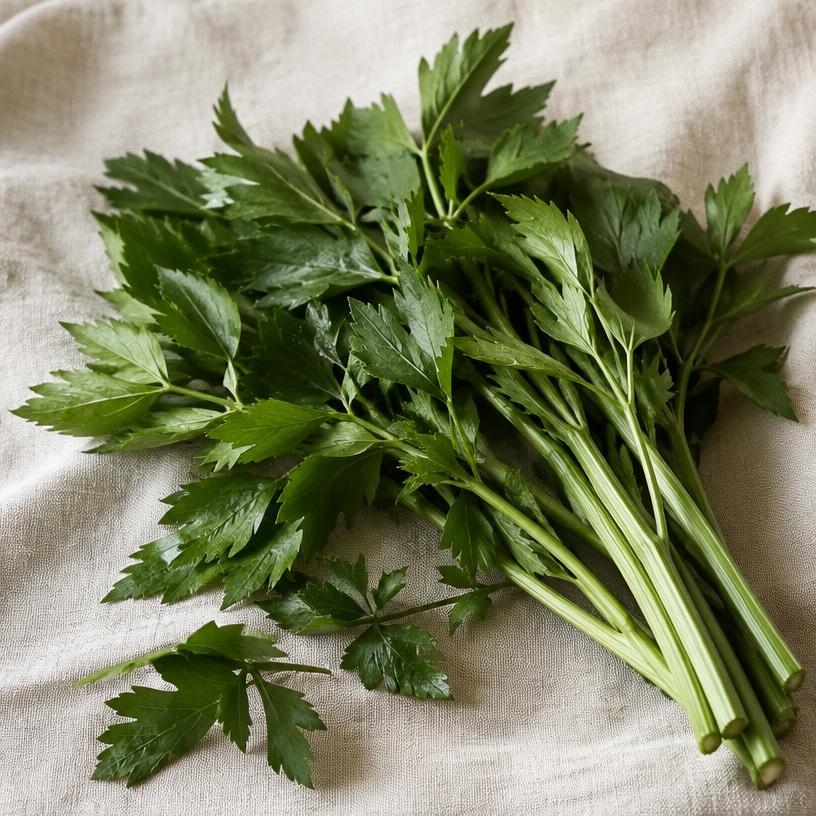
- Lovage
- TraditionAttraction, in Slavic and English folk magic.
- How it's usedSteeped into a bath before meeting someone.
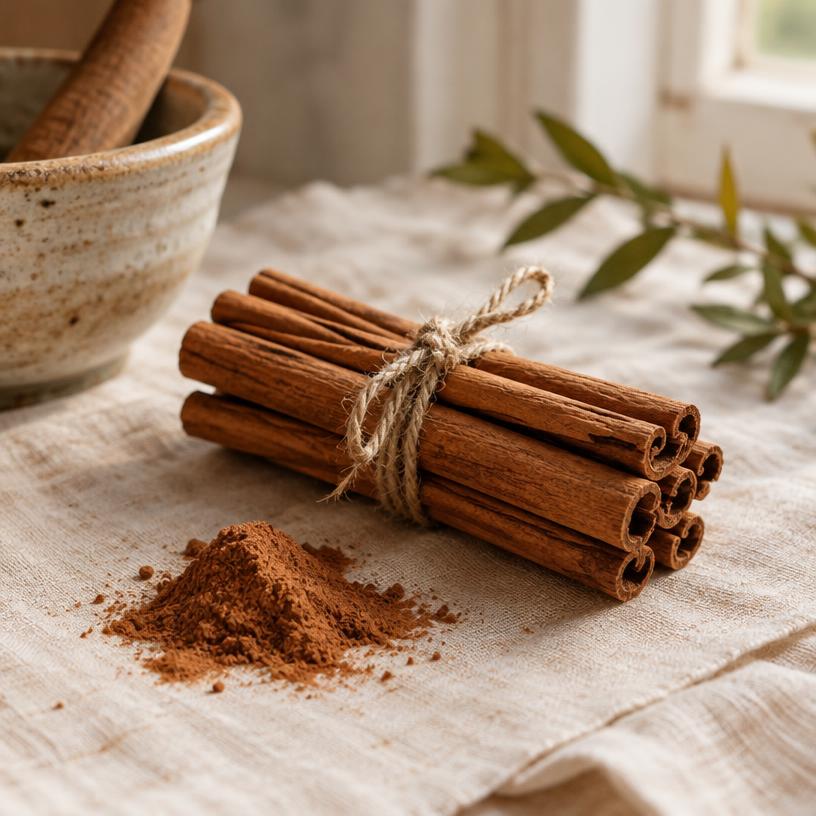
- Cinnamon
- TraditionWarmth, attraction, speed.
- How it's usedA pinch added to love or money spells to quicken them.
Pera, panaginip, at paglilinis
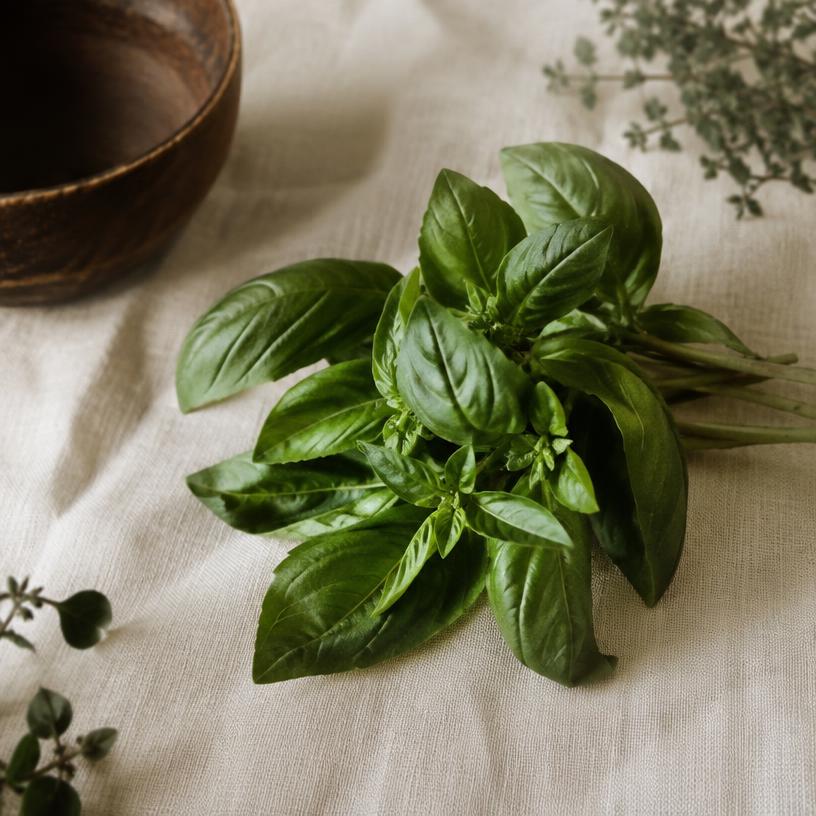
- Basil
- TraditionPera at masayang tahanan.
- How it's usedGrown by the door; a leaf in the wallet.
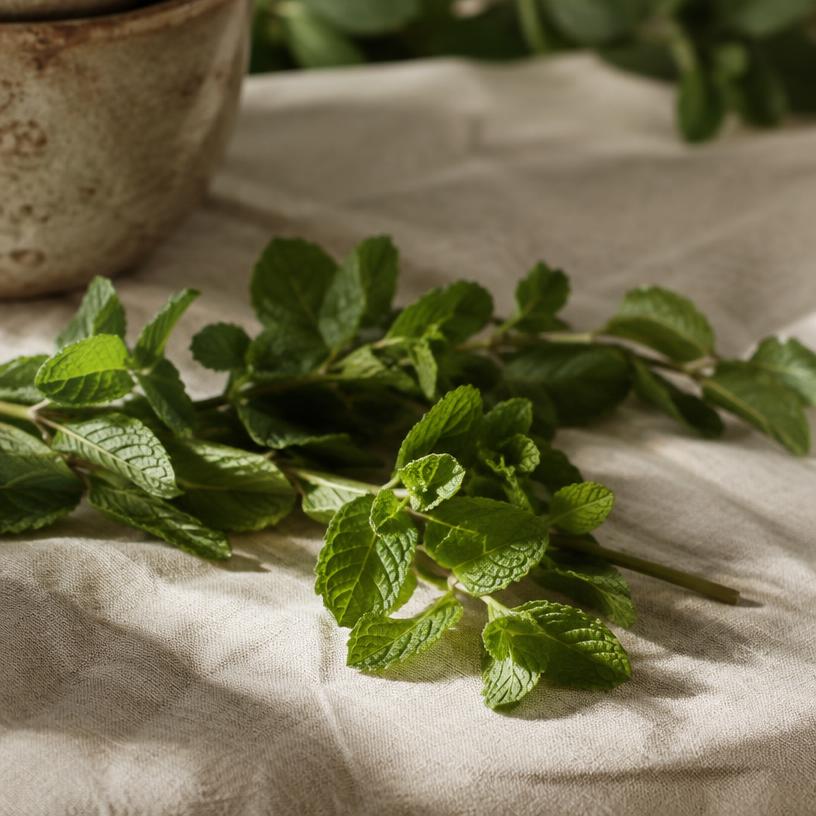
- Yerba buena
- TraditionProsperity and freshness.
- How it's usedRubbed on cash boxes; added to money washes.
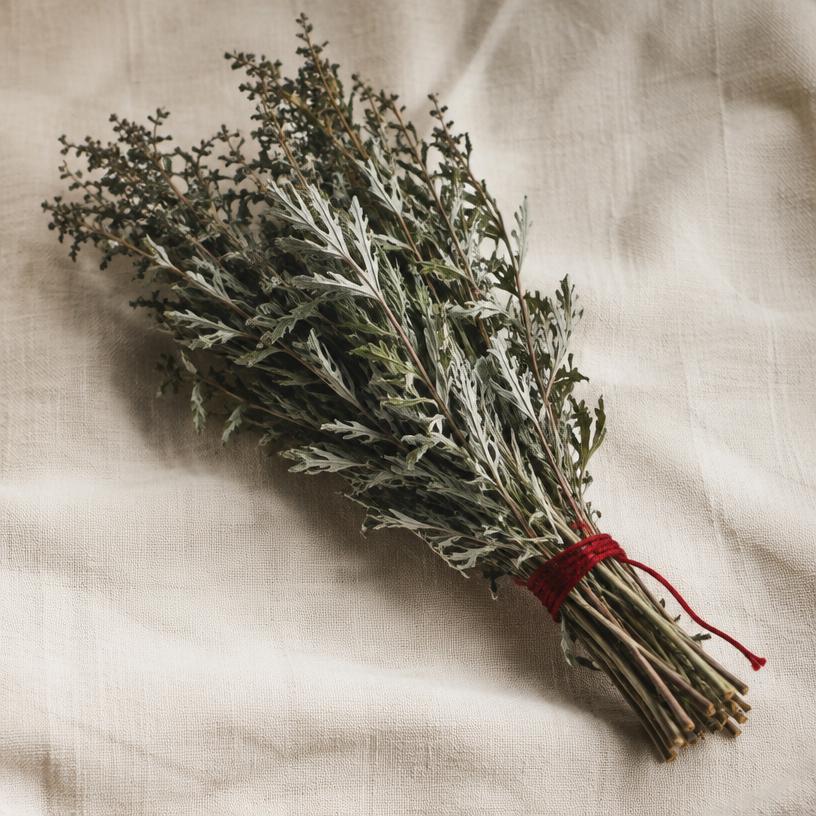
- Mugwort
- TraditionDreams and intuition.
- How it's usedDream pillows; smoke before divination.
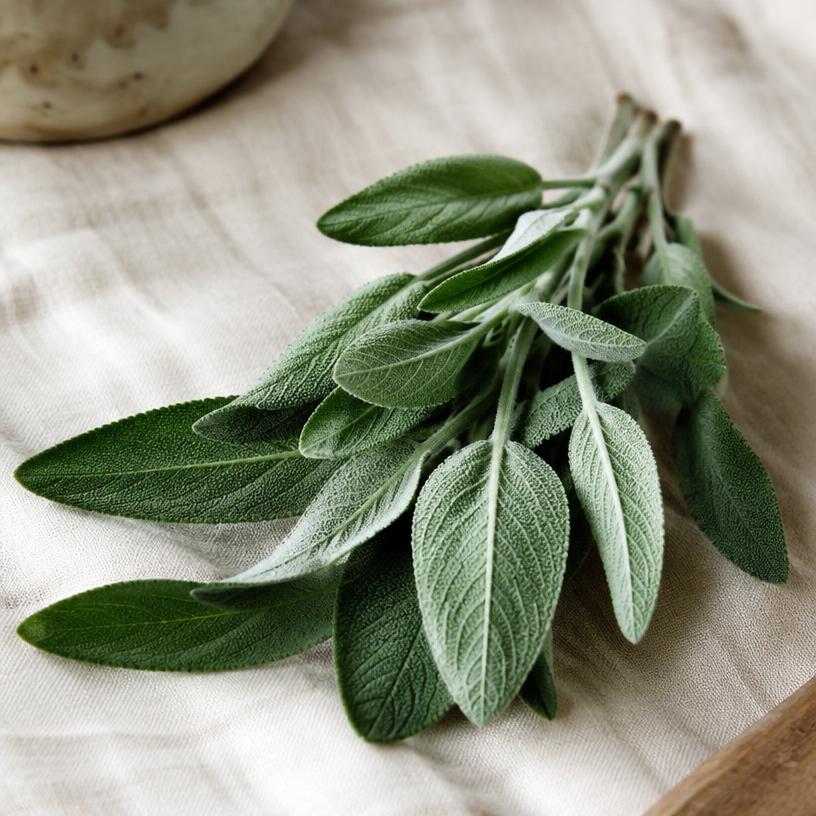
- Sage
- TraditionCleansing and wisdom.
- How it's usedSinusunog upang linisin ang silid pagkatapos ng sakit o alitan.
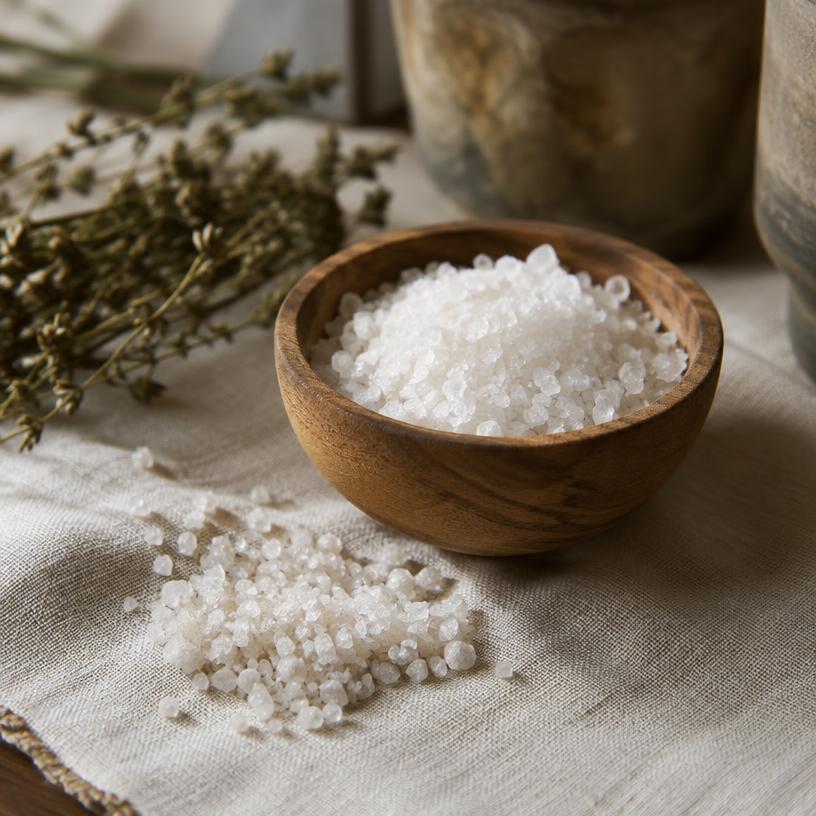
- Salt
- TraditionPaglilinis at proteksyon sa halos lahat ng tradisyon.
- How it's usedLines at thresholds, cleansing baths, protective circles.
Mga tradisyonal na pamamaraan
- Sachets and pouches: herbs sewn into cloth and carried or hidden.
- Spell jars: herbs, salt, honey or oil sealed in a jar, often with a candle on top.
- Ritual baths and floor washes: a strong herb tea added to bathwater or a mop bucket.
- Candle magic: a candle carved with a name or symbol, dressed in oil and rolled in herbs.
- Knot magic: tying an intention into thread or cord, one knot at a time.
- Burning and burying: releasing a written wish by fire, or planting it to grow.
Safety
- Many magical herbs are not safe to eat or drink. Rue, mugwort and others can be harmful, especially in pregnancy.
- Patch-test any herb or oil before adding it to a bath.
- Never leave a candle burning unattended.
- Spell work doesn't replace a doctor, lawyer or therapist.
If you'd rather have a spell cast for you by hand, our partner practitioners offer traditional spell work through the shops page.
Step-by-step how-to guides
- How to read tarot cards
- How to use angel oracle cards
- Paano magbasa ng playing cards
- Paano gumamit ng mga kristal sa mga spell
- Paano gumamit ng mga halamang-gamot sa witchcraft
- The Dr. Moorne Egyptian Tarot deck and how to read it
- How to read dice · Dice meanings
- How to read tea leaves · Tea leaf symbols
- Paano gumamit ng pendulum · Pendulum meanings
- How to cast a candle spell · Candle color meanings
- How to make a spell jar · Spell jar recipes
- How to make a sigil · Mga pamamaraan ng sigil
- How to cleanse your home · Home cleansing methods
- How to set up an ancestor altar · Ancestor altar items
- How to open a sacred space · Mga kagamitan sa sagradong espasyo
- How to time spells with the moon · Mga kahulugan ng yugto ng buwan
- How to work with water and salt · Water and salt magic
- How to make a protection charm bag · Mga resipe ng charm bag
Magpatuloy sa paggalugad
See the tarot card meanings, angel oracle cards, playing card meanings, crystals for spells and herbs in witchcraft mga gabay, basahin ang Journal, or visit the shops for a reading or spell from our partner practitioners.