Guide
Ancestor Altar Items and Offerings
By Seraphina
An ancestor altar is a place set aside to remember the dead, express gratitude, and tend a relationship with family history. For some people, it belongs to a living religious tradition; for others, it is a quiet arrangement of photographs, flowers, and meaningful objects. At Crossroads Journal, we approach these spaces with warmth and care: an altar need not be expensive, elaborate, or permanent to support a thoughtful remembrance practice.
There is no universal list of correct ancestor offerings. Customs differ among households, regions, religions, and lineages, and similar objects can carry very different meanings. A glass of water, for example, may symbolize hospitality in one practice and have a specific ritual role in another. Start with what you know about your own relatives and community. Where a practice belongs to a particular tradition, seek guidance from its practitioners rather than treating its sacred objects as interchangeable decorations.
The items below are a reference shelf, not a shopping list. Choose a few that fit your space, budget, and beliefs, then give them regular attention. You can honor loving relatives, acknowledge complicated histories without excusing harm, or remember chosen family and other beloved dead without calling them biological ancestors. No photograph or offering obliges you to maintain a relationship that feels unsafe. Fresh water, a remembered recipe, or a written name may be enough. Keep practical care at the center: protect treasured objects, avoid unattended flames, and remove offerings before they spoil.
Foundations and Personal Remembrance
Begin with objects that identify whom you are remembering and make the space manageable to care for.
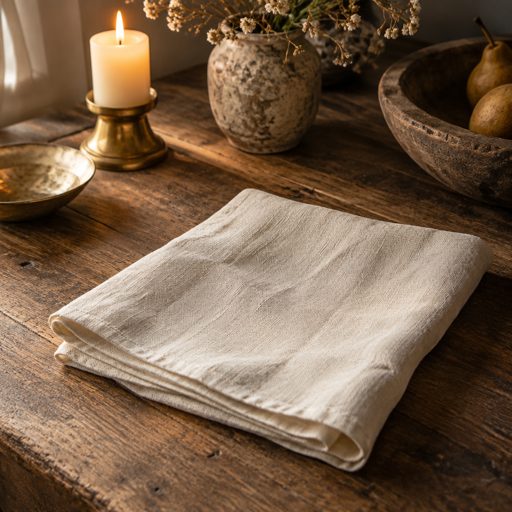
- Altar cloth
- MeaningA cloth can distinguish a remembrance space from everyday surroundings. Colors may follow family preference or the guidance of a particular tradition.
- UseChoose washable fabric and keep it clear of flames, hot vessels, and dripping wax.
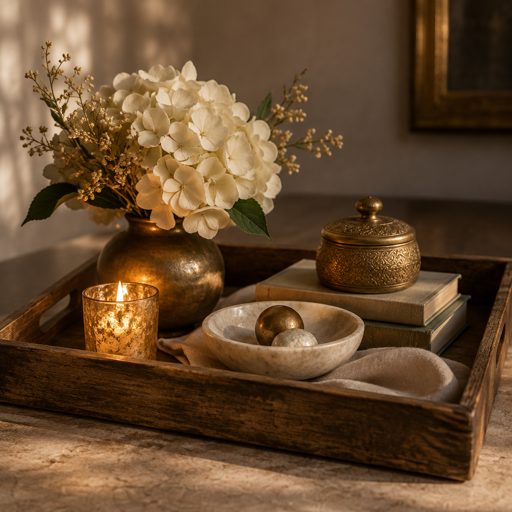
- Offering tray
- UseA tray gathers offerings into a defined area and makes a temporary altar easy to move.
- CautionUse waterproof dishes for liquids and a separate heat-safe base for candles; a decorative tray may not tolerate heat.
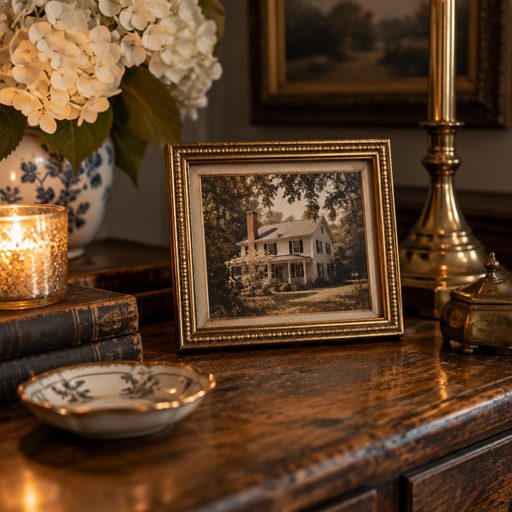
- Photograph
- MeaningA photograph offers a familiar focus for remembrance. A picture of a meaningful home or landscape can stand in when a portrait is unavailable.
- UseDisplay a copy rather than an irreplaceable original, especially near water, sunlight, incense, or candles.
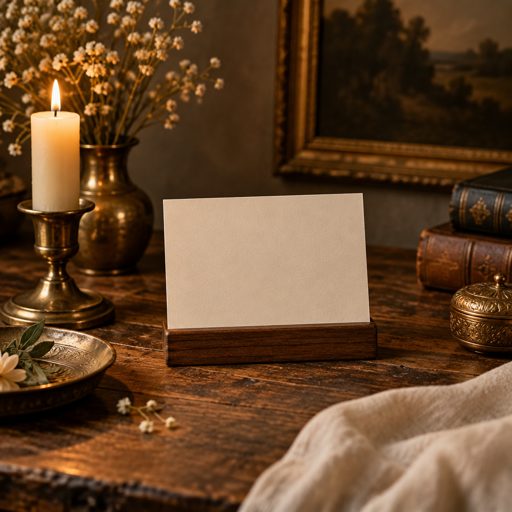
- Written name card
- MeaningWriting a name can make remembrance specific when there are no surviving possessions or photographs.
- UseInclude names, dates, or relationships if known. Leave uncertainties visible rather than filling gaps with guesses.
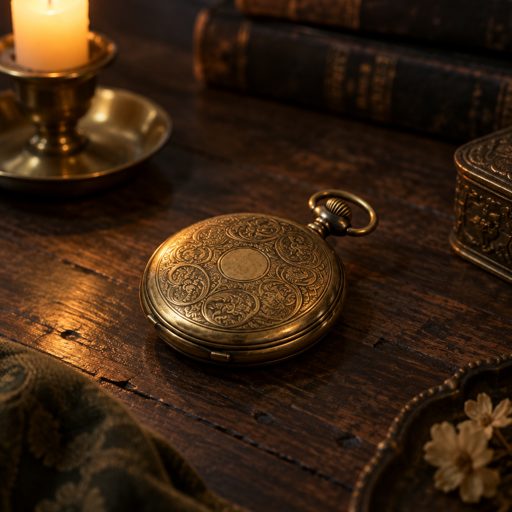
- Family heirloom
- MeaningAn inherited object can connect remembrance to the ordinary texture of someone's life.
- CautionKeep fragile or valuable heirlooms away from smoke, moisture, food, and heat. A photograph or replica may be safer.
- Remembrance notebook
- UseRecord stories, recipes, questions, and memories gathered from relatives or your own recollections.
- CareDistinguish documented facts from family stories and personal impressions. Respect the privacy of living relatives.
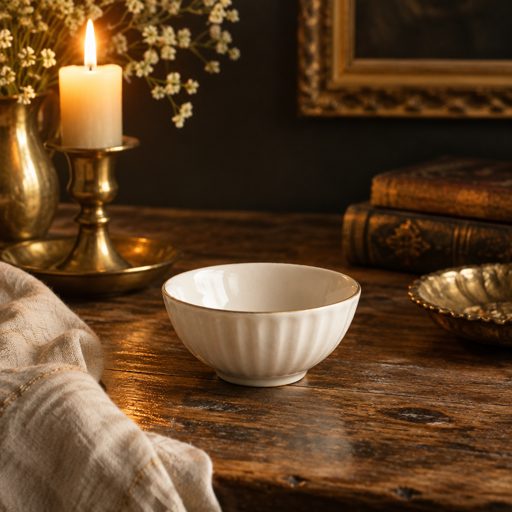
- Offering bowl
- UseA dedicated bowl gives small offerings a clean, consistent place. Ordinary household pottery is sufficient unless your tradition specifies otherwise.
- CautionUse food-safe pottery for edible offerings, and wash it between uses.
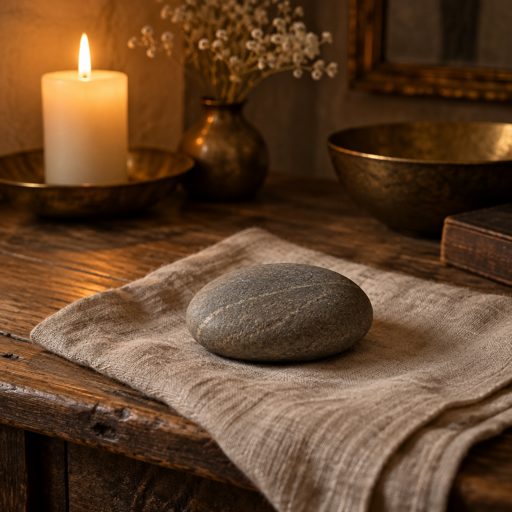
- Remembrance stone
- MeaningA stone may serve as a personal symbol of endurance, place, or a memory carried over time.
- CautionCollect only where permitted. Do not remove stones, soil, or objects from graves or protected sites without explicit permission.

Light, Scent, and Living Beauty
These items can shape the atmosphere of remembrance, but none is essential. Smoke-free and flame-free choices are equally suitable for a personal practice.
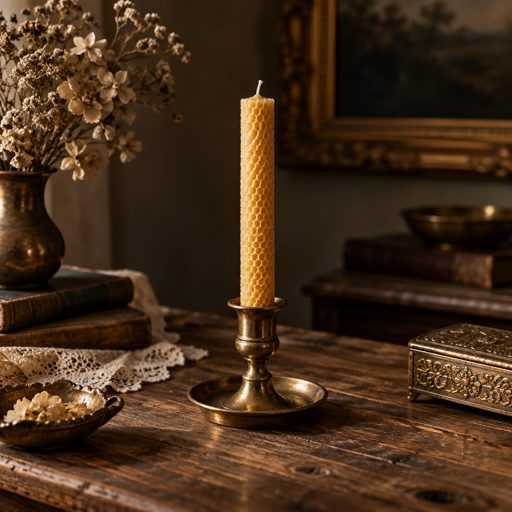
- Beeswax candle
- MeaningCandlelight accompanies prayer and remembrance in many communities. Beeswax may be chosen for its material qualities or family associations, not because it guarantees spiritual effects.
- CautionUse a stable, heat-safe holder well away from cloth and paper. Never leave a burning candle unattended.
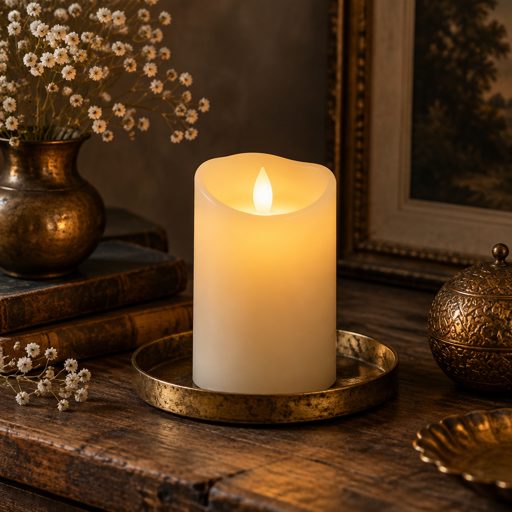
- Battery candle
- UseA battery candle offers a visual focus where open flames are unsafe or prohibited.
- CautionChoose a secure battery compartment and keep loose batteries, especially button cells, away from children and pets.
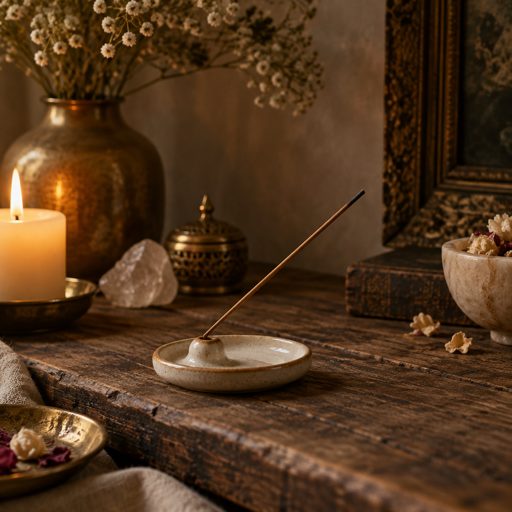
- Incense stick
- TraditionIncense accompanies ancestor rites in some East Asian and other religious settings, with forms and meanings that vary by community.
- CautionBurn only with ventilation and a suitable ash-catching holder, never unattended. Avoid smoke around birds or anyone with respiratory sensitivities.
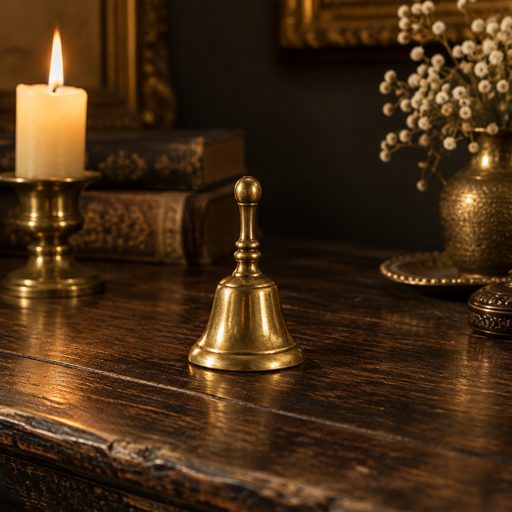
- Small bell
- MeaningIn some religious settings, bells have defined ritual roles. In personal practice, a gentle sound can simply mark the beginning or end of remembrance.
- UseChoose a comfortable volume and respect household members, neighbors, and sound-sensitive pets.
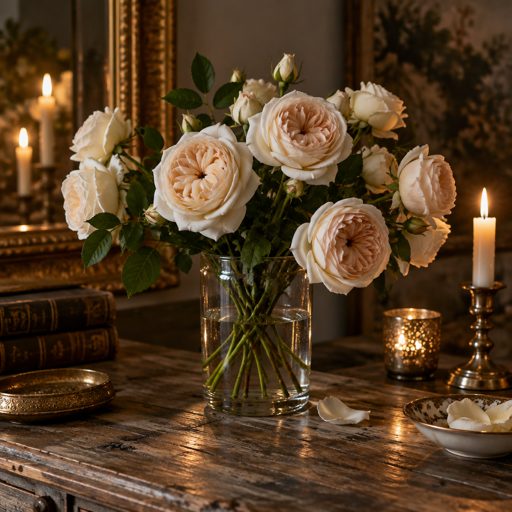
- Fresh flowers
- MeaningFlowers can express affection, grief, beauty, and the passing of time. A loved one's favorite bloom is often a meaningful choice.
- CautionCheck plant toxicity before bringing flowers indoors; lilies are especially dangerous to cats. Replace stagnant water and remove decaying stems.
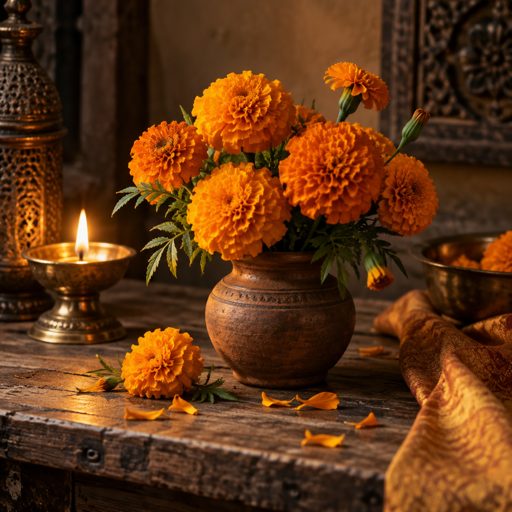
- Marigolds
- TraditionCempasúchil marigolds are prominent on many Mexican Día de Muertos ofrendas. In some observances, their color and scent are understood to welcome or guide the returning dead.
- UseLearn the context of the observance rather than treating its flowers as a universal ancestor requirement.
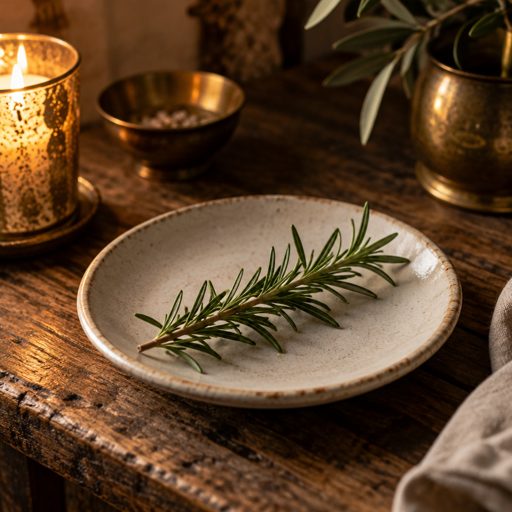
- Rosemary sprig
- TraditionRosemary has associations with remembrance in parts of European cultural history. A sprig can be used as a personal memorial symbol.
- CautionDisplay it without burning if smoke is a concern. Do not ingest unknown herbs or substitute concentrated essential oil for a culinary sprig.
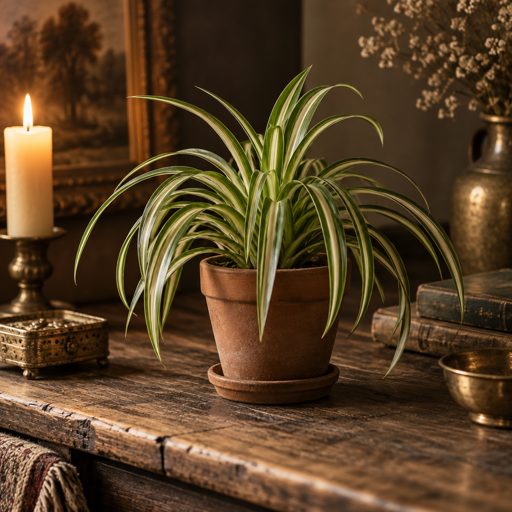
- Potted plant
- MeaningCaring for a living plant can represent continuity and ongoing attention in a personal remembrance practice.
- CautionChoose a species suited to the light and safe for your household. Never pour salt water, alcohol, or sweetened offerings into its soil.
Water, Drinks, and Staple Foods
Food offerings often express hospitality and shared memory. Whether an offering is later eaten, shared, or discarded depends on the tradition and on food safety.
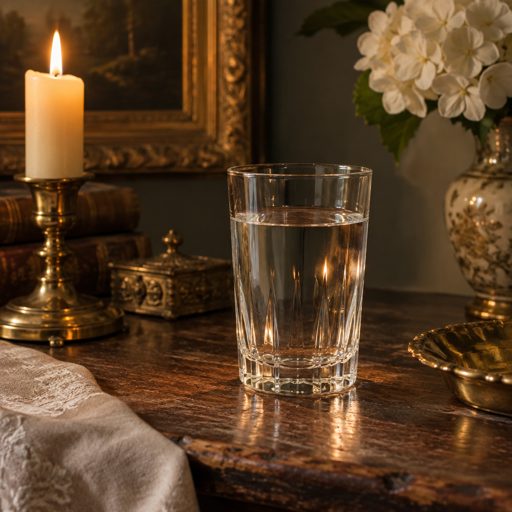
- Fresh water
- MeaningWater can symbolize welcome, refreshment, or clarity. Its ritual meaning differs among traditions.
- UseUse a clean glass and refresh it regularly, ideally daily. Keep it away from electrical items and vulnerable photographs.
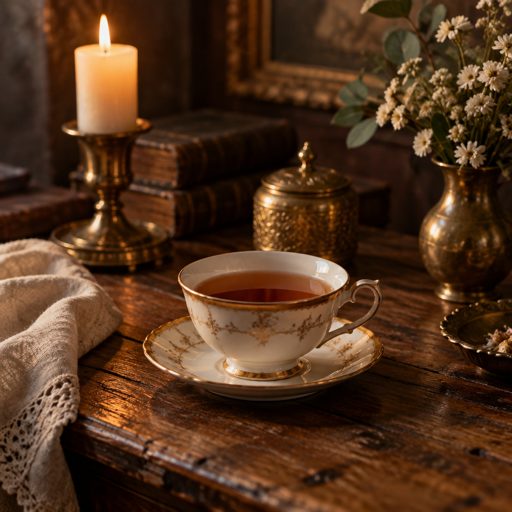
- Tea
- TraditionTea appears in some Chinese ancestral observances and can also recall a relative's everyday hospitality.
- CautionUse a stable cup and allow hot tea to cool before placing it near delicate objects. Tea containing milk needs prompt refrigeration or disposal.
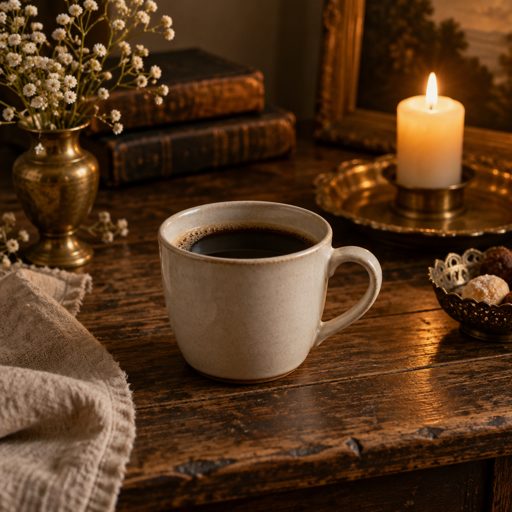
- Coffee
- MeaningCoffee may evoke a familiar morning routine or conversations at a family table.
- CautionKeep caffeinated drinks away from pets and children. Remove promptly if milk or cream has been added.
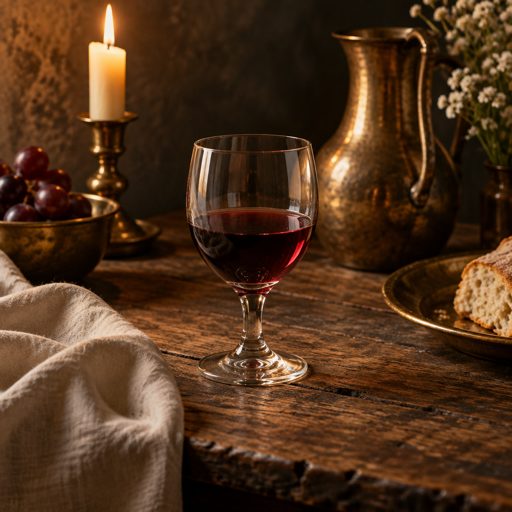
- Wine or spirits
- TraditionAlcohol is offered in some ancestor traditions but is inappropriate or prohibited in others. Follow family or religious guidance rather than assuming it belongs.
- CautionKeep alcohol away from flames, children, and pets. Choose a nonalcoholic alternative if alcohol conflicts with recovery, health, or household needs.
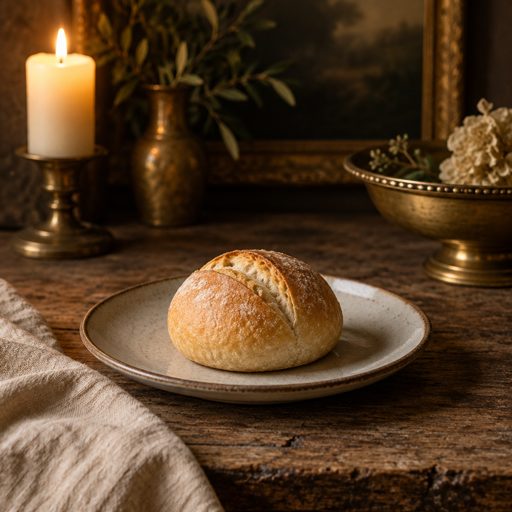
- Bread
- MeaningBread can represent nourishment, shared labor, and the family table. Specific memorial breads belong to particular regional and religious customs.
- UseOffer a small portion and remove it before mold or pests appear. Do not leave bread outdoors for wildlife.
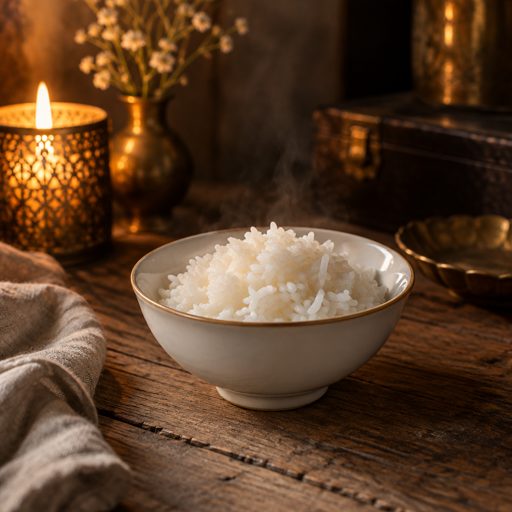
- Cooked rice
- TraditionRice is part of ancestral offerings in several East and Southeast Asian traditions. Presentation and accompanying utensils can carry specific meanings.
- CautionCooked rice can become unsafe at room temperature. If it will be eaten, refrigerate it within two hours, or within one hour above 90°F/32°C.
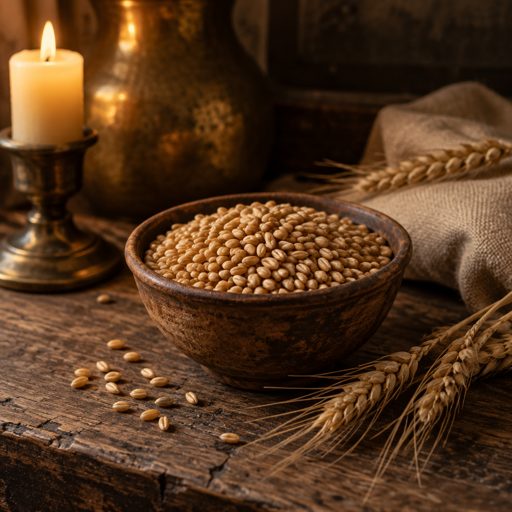
- Whole grain
- MeaningGrain can suggest sustenance, harvest, and continuity. Prepared grain dishes also have distinct memorial roles in some traditions.
- CautionKeep dry grain free of moisture and inspect it for insects. Do not scatter it outdoors where it may attract pests.
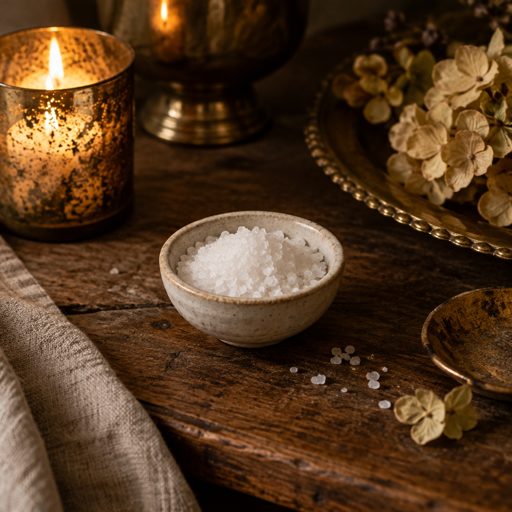
- Salt
- TraditionSalt carries associations with hospitality, preservation, or purification in some customs. It is not a universal ancestor offering.
- CautionKeep it out of pets' reach. Never empty salt or salt water onto plants, garden soil, or freshwater habitats.
Fruit, Sweets, and Offerings of Affection
Personal tastes can be a useful guide, while named ceremonial foods deserve attention to their own cultural and religious settings.
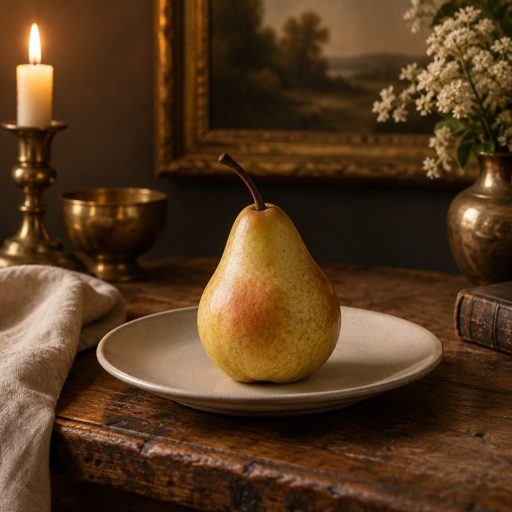
- Whole fruit
- MeaningFruit can express generosity, seasonal abundance, or a remembered preference.
- UseChoose sound fruit and inspect it daily. Wash it before eating if your practice permits sharing offerings.
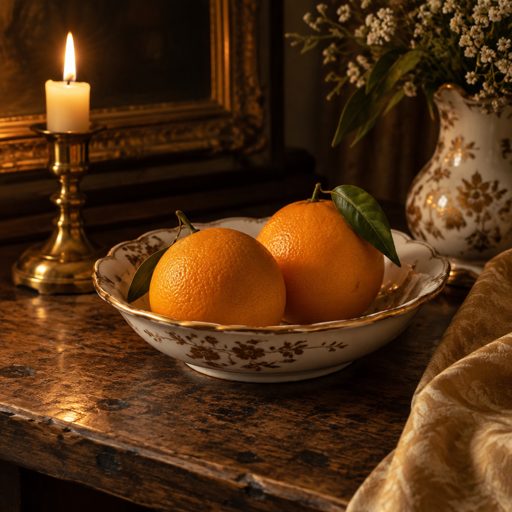
- Oranges
- TraditionOranges and other citrus fruits appear in some Chinese ritual offerings, with auspicious associations that vary by language and context.
- UseFollow household guidance about selection and arrangement rather than assuming one number or pattern applies everywhere.
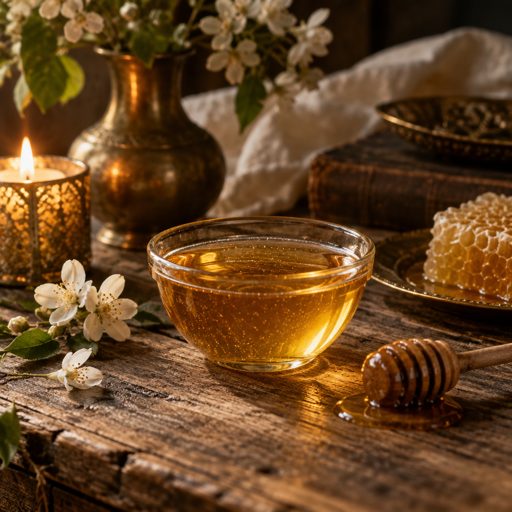
- Honey
- MeaningHoney may symbolize sweetness and affection in personal practice. It also appears in particular memorial foods.
- CautionUse a small covered portion to discourage insects. Never give honey to a child younger than one year.
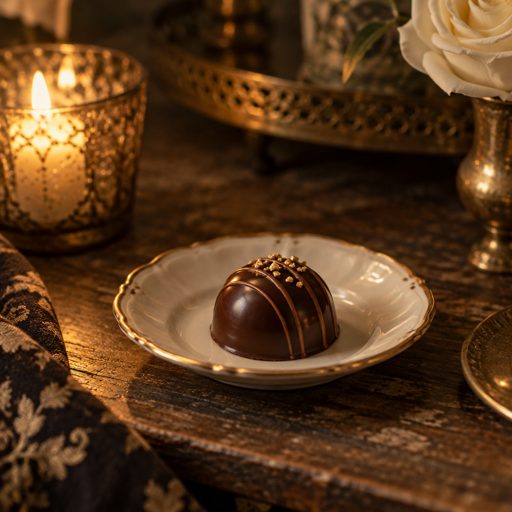
- Favorite sweet
- MeaningA familiar sweet can recall someone's humor, habits, or small pleasures without needing an elaborate ritual.
- CautionKeep chocolate and sweets containing xylitol away from pets. Consider allergies if offerings will later be shared.
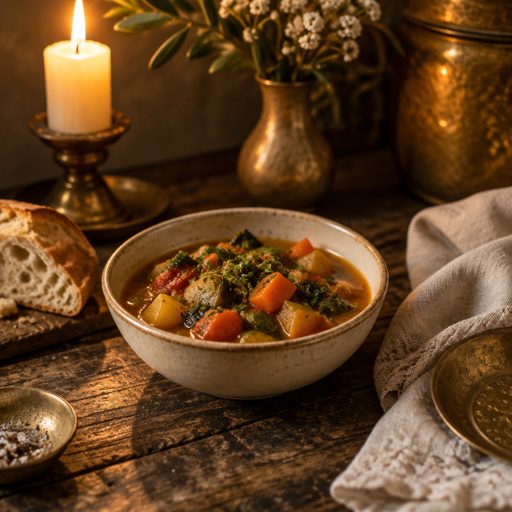
- Favorite cooked dish
- MeaningPreparing a remembered dish can become an act of care and a way to preserve family knowledge.
- CautionOffer a small serving briefly. Discard perishable food left out beyond two hours, or one hour above 90°F/32°C.
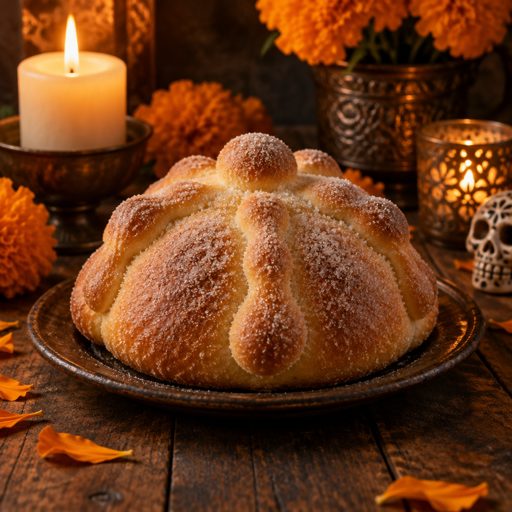
- Pan de muerto
- TraditionPan de muerto is associated with Mexican Día de Muertos observances and appears on many ofrendas. Shapes and recipes vary regionally.
- UseLearn its context from Mexican cooks and cultural sources. It is not a generic requirement for every ancestor altar.
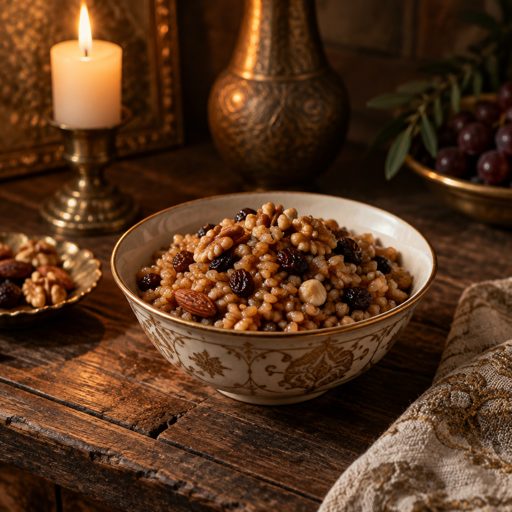
- Koliva
- TraditionKoliva is a boiled-wheat preparation used in memorial observances in many Eastern Orthodox communities, with Christian meanings connected to death and resurrection.
- CareSeek parish or family guidance for religious use. Refrigerate promptly and account for nuts or other allergens when sharing.
- Handmade keepsake
- MeaningA handmade object can offer time and attention rather than purchased value. It may also recall a craft someone taught you.
- CautionKeep fabric, thread, and paper well away from candles. Secure small parts and loose threads from children and pets.

Practical Care and Respectful Boundaries
A sustainable altar is one you can maintain safely, without fear, pressure, or unnecessary expense.
- Start small: one remembrance object, a clean vessel, and a simple offering are enough for a personal practice. No purchase is required.
- Follow the guidance of your household or religious community for formal rites. Ask before adopting sacred objects or practices that require initiation or permission.
- Use a stable surface away from curtains, drafts, and busy walkways. Extinguish candles and incense before leaving the room or going to sleep.
- Keep offerings out of reach of children and animals. Check flowers, herbs, foods, and fragrances for household-specific risks.
- Refresh water regularly, wash vessels, and check for mold or insects. Refrigeration cannot make food safe again after it has spent too long at unsafe temperatures.
- Whether offerings may be eaten depends on the tradition; safety is a separate requirement. Never eat anything contaminated by ash, wax, oils, or non-food-safe materials.
- Dispose of offerings according to local waste rules and your tradition where these are compatible. Compost only suitable materials; do not leave food, packaging, salt, or alcohol in natural areas.
- Do not burn paper offerings indoors or in an ordinary candle dish. Where burning is part of a tradition, follow local fire rules and use an appropriate designated facility.
- You may leave harmful relatives unnamed, honor chosen family, or pause the practice. Missed offerings are not evidence of punishment or impending misfortune.
- Let remembrance include ordinary acts: telling a story, preserving a recipe, visiting a permitted memorial site, or helping someone in a loved one's memory.
This guide describes traditions, beliefs, and personal practices, not proven supernatural effects or a substitute for health, safety, or professional advice.
Step-by-step how-to guides
- How to read tarot cards
- How to use angel oracle cards
- How to read playing cards
- How to use crystals in spells
- How to use herbs in witchcraft
- The Dr. Moorne Egyptian Tarot deck and how to read it
- How to read dice · Dice meanings
- How to read tea leaves · Tea leaf symbols
- How to use a pendulum · Pendulum meanings
- How to cast a candle spell · Candle color meanings
- How to make a spell jar · Spell jar recipes
- How to make a sigil · Sigil methods
- How to cleanse your home · Home cleansing methods
- How to set up an ancestor altar · Ancestor altar items
- How to open a sacred space · Sacred space tools
- How to time spells with the moon · Moon phase meanings
- How to work with water and salt · Water and salt magic
- How to make a protection charm bag · Charm bag recipes
Keep exploring
See the tarot card meanings, angel oracle cards, playing card meanings, crystals for spells and herbs in witchcraft guides, read the Journal, or visit the shops for a reading or spell from our partner practitioners.