Guide
Sacred Space Tools
By Seraphina
A sacred space can be as simple as a cleared shelf, a quiet corner, or a cloth unfolded before a moment of reflection. Its meaning comes from the attention you bring to it, not the price or number of objects you own. Tools help give that attention a shape: a bowl can hold an offering, a candle can mark a beginning, and a stone can remind you to pause. At Crossroads Journal, we encourage you to start with familiar, useful things and let your practice grow slowly.
Many contemporary Pagan and Western esoteric practices connect the four directions with four elements: east with air, south with fire, west with water, and north with earth. These are common correspondences, not a universal map. Different traditions arrange directions differently, and some practitioners adapt their arrangements to local geography, climate, or the Southern Hemisphere. You can follow an established practice respectfully or choose a personal arrangement, provided you distinguish your own choices from inherited teachings. A direction marker is a reminder, not a requirement for making a place meaningful.
The tools below are options rather than a shopping list. Choose a few that support your purpose, whether that is prayer, seasonal observance, meditation, remembrance, or simply a deliberate pause. Keep everyday safety alongside symbolism: flame needs supervision, herbs need identification, and shared spaces need consent. Smoke-free, flame-free, and fragrance-free alternatives are fully valid choices. When you finish, put tools away thoughtfully and leave the room or outdoor place as safe and welcoming as you found it.
1. Foundations of a Sacred Space
These everyday supports help define a space without prescribing a particular religion or ritual.
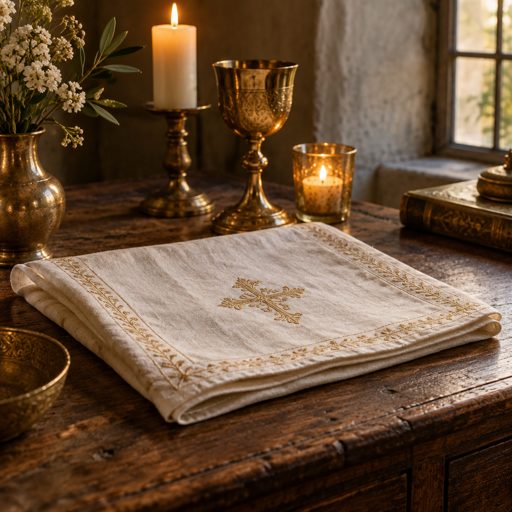
- Altar cloth
- MeaningA cloth can mark the transition from an ordinary surface to a place of deliberate attention. Colors may reflect a season, element, or personal association.
- UseChoose washable fabric and keep it clear of flames, hot incense holders, and dripping wax.
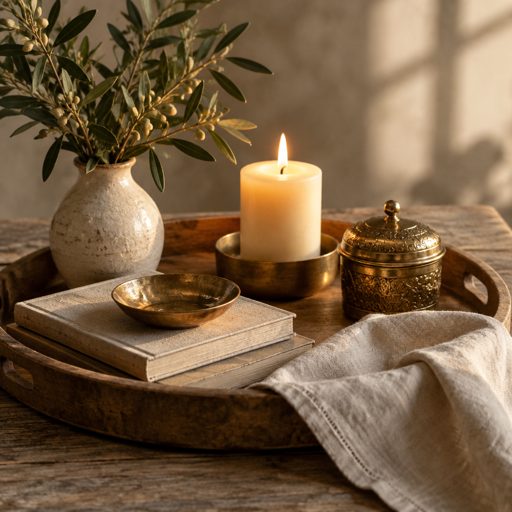
- Portable altar tray
- UseA tray gathers a few meaningful objects and makes a temporary space easy to set up and put away.
- CautionDo not carry it with burning candles or incense. Wood and decorative finishes are not heatproof.
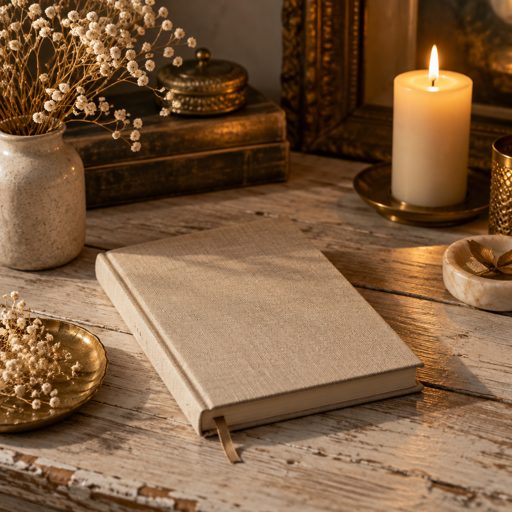
- Ritual journal
- UseRecord intentions, seasonal observations, and what helped you feel attentive or settled.
- ReflectionTreat patterns you notice as personal observations rather than proof of supernatural causes.
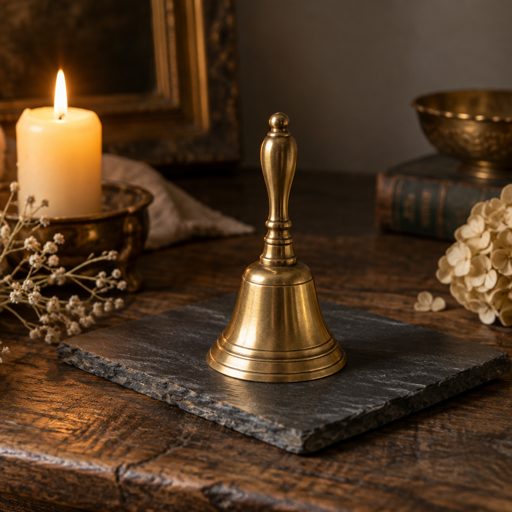
- Bell
- MeaningBells mark beginnings, endings, and transitions in many religious and personal practices.
- UseOne quiet ring can signal a pause before prayer or meditation. Consider neighbors, pets, and anyone sensitive to sudden sound.
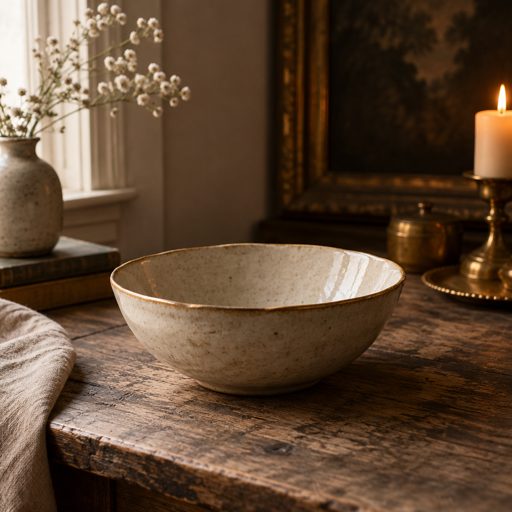
- Offering bowl
- UseA dedicated bowl can hold a symbolic offering chosen according to your practice, such as clean water or a flower.
- CautionRemove perishable offerings promptly and keep them away from pets. Do not leave food outdoors where it may harm or attract wildlife.
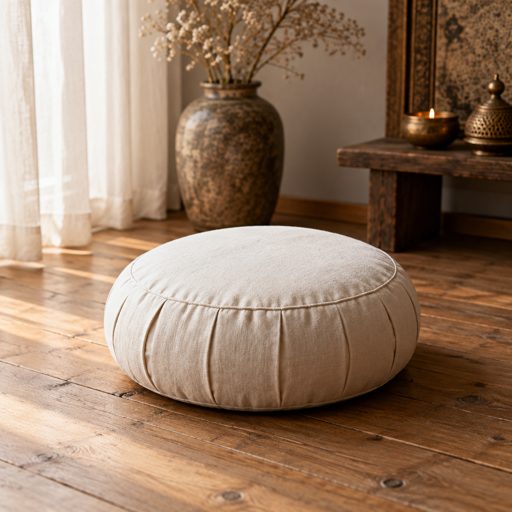
- Meditation cushion
- UseA cushion gives seated reflection a comfortable, recognizable place.
- AdaptationUse a chair, back support, or standing position instead if that suits your body better. Discomfort is not a measure of spiritual commitment.
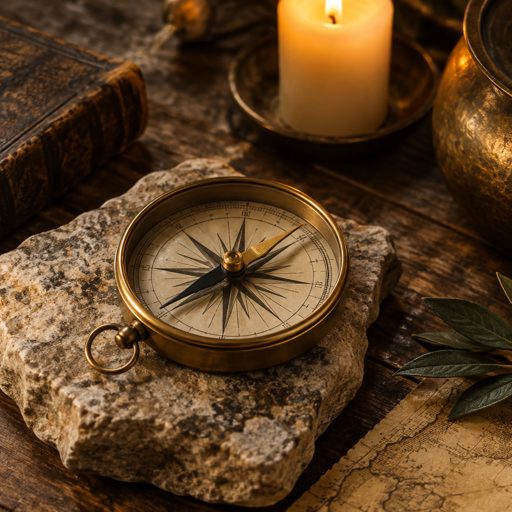
- Compass
- UseA compass helps locate approximate directions before you arrange elemental objects.
- Practical noteNearby metal and electronics can distort a reading. Precise alignment is unnecessary for most personal symbolic arrangements.
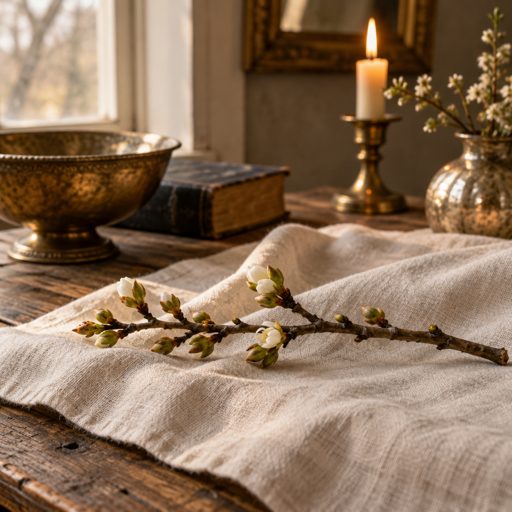
- Seasonal branch
- MeaningA branch can connect your space with the season actually unfolding where you live.
- CautionCollect only where permitted, preferably from fallen material. Identify the plant, check for insects, and keep toxic species away from children and animals.
2. East and Air; South and Fire
In a common contemporary Western arrangement, east and air suggest breath, thought, and beginnings; south and fire suggest warmth, courage, and change.
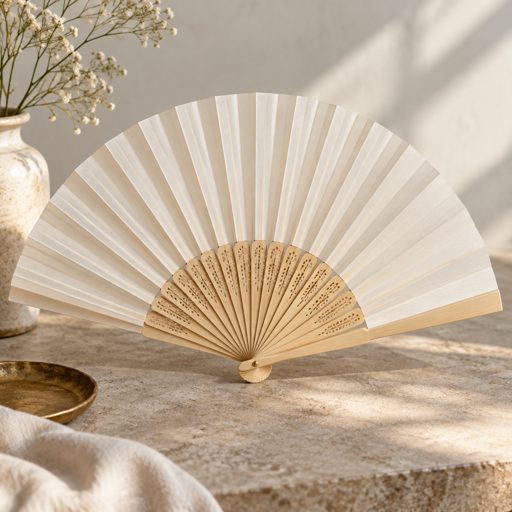
- Paper fan
- MeaningA fan makes moving air tangible and can serve as an eastward marker.
- UseCreate a gentle breeze before a quiet pause. Keep paper well away from flame and do not fan burning embers.
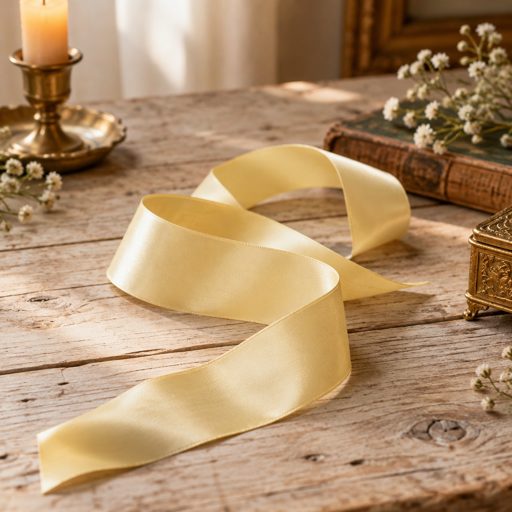
- Fabric ribbon
- MeaningA light ribbon can represent air through movement rather than smoke.
- UsePlace it at your east marker or secure it indoors where a draft can move it. Avoid loose loops near children or pets, and never leave ribbon in nature.
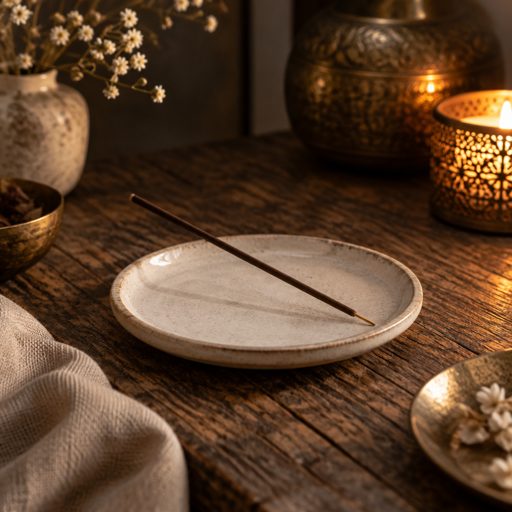
- Incense stick
- TraditionIncense accompanies worship in many traditions; some contemporary elemental practices associate its fragrance and smoke with air.
- CautionUse a stable, noncombustible holder and ventilation, and never leave it burning unattended. Skip smoke around birds, sensitive people, or anyone whose breathing it affects.
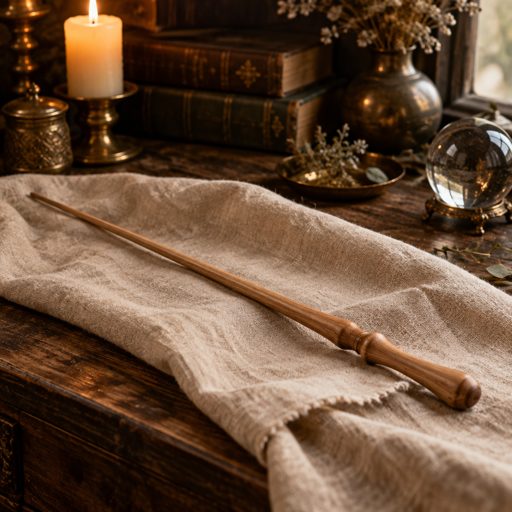
- Wand
- TraditionWands are used in some magical traditions to direct ritual attention. Their elemental association varies, with air or fire both appearing in different systems.
- UsePoint toward a direction or trace a small symbolic boundary without touching other people. A smooth fallen stick can serve as a personal version.
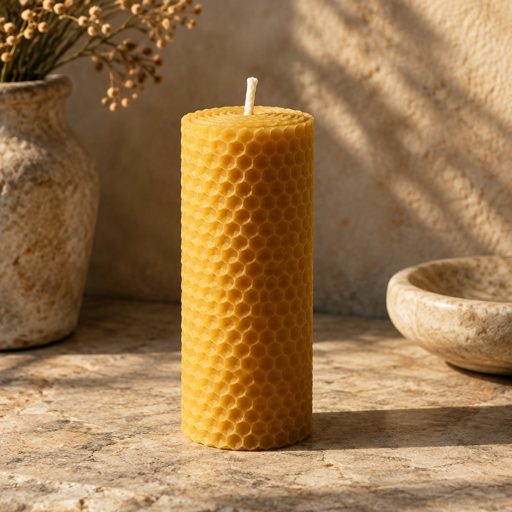
- Beeswax candle
- MeaningA candle offers a direct symbol of fire and can mark the opening and closing of a practice.
- CautionBurn it in a suitable holder on a stable, heat-resistant surface, well away from fabric and dried plants. Stay present and extinguish it before leaving.
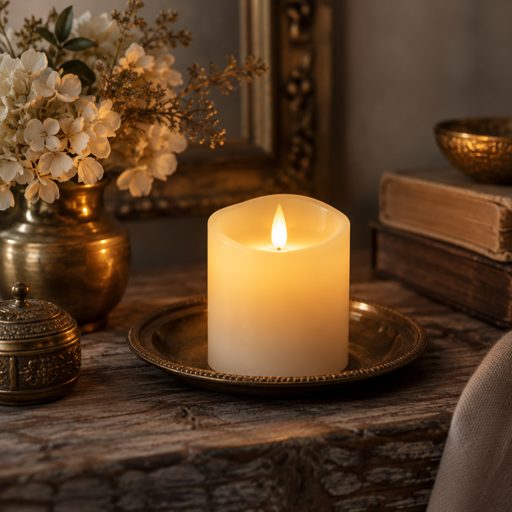
- LED candle
- UseAn LED candle represents fire where open flame is unsafe, unwelcome, or prohibited.
- CautionChoose a model with a secure battery compartment. Button batteries are especially dangerous if swallowed.
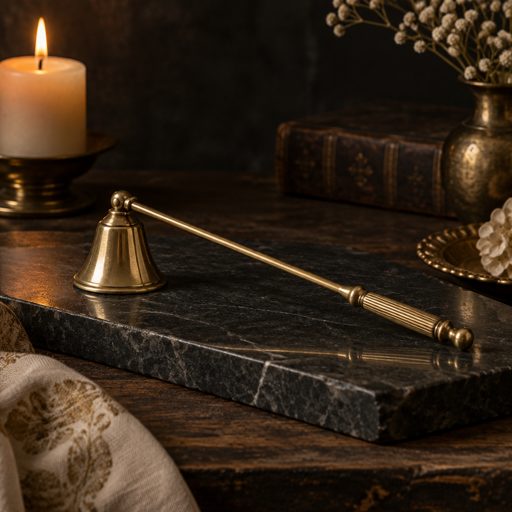
- Candle snuffer
- UseA snuffer can make extinguishing a candle a deliberate closing gesture.
- CautionCheck that the wick is fully extinguished afterward. The snuffer can become hot, so let it cool on a heat-resistant surface.
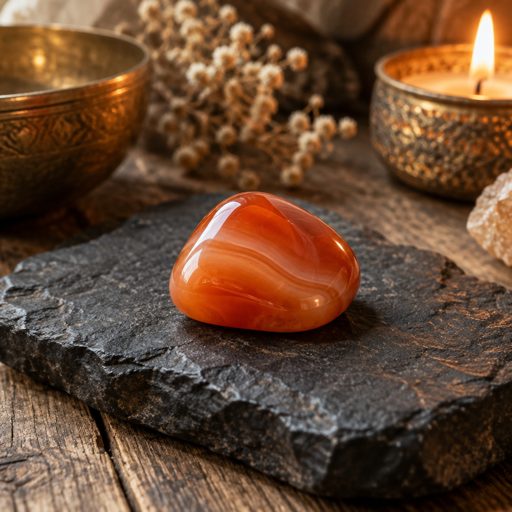
- Carnelian stone
- MeaningSome contemporary crystal practices associate carnelian with fire, vitality, and courage. These are spiritual correspondences, not established physical effects.
- UsePlace it near your south marker as a visual reminder of a quality you want to practice. Keep stones out of drinking water and away from small children.
3. West and Water; North and Earth
In the same common arrangement, west and water suggest feeling, reflection, and flow; north and earth suggest steadiness, nourishment, and material care.
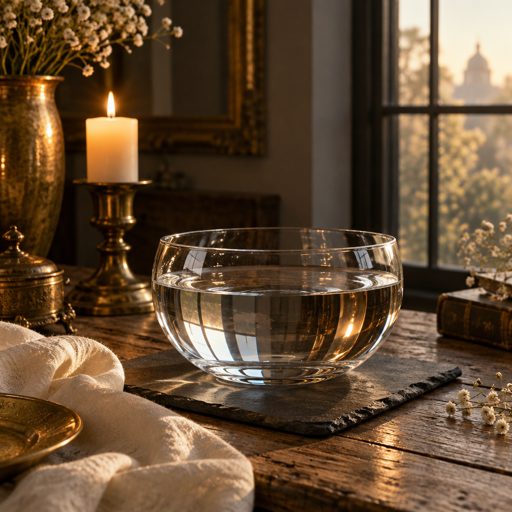
- Water bowl
- MeaningA bowl of water can represent the western direction and invite reflection on change or emotional life.
- CautionUse fresh tap water, replace it regularly, and keep it away from electrical items. Ritual water containing oils, herbs, or stones is not for drinking.
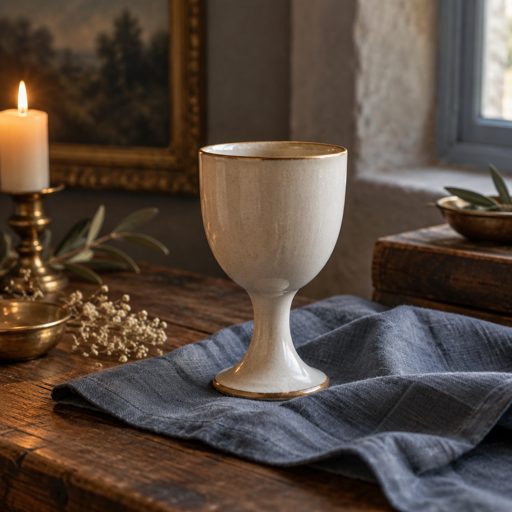
- Chalice
- TraditionA chalice or cup represents water in many contemporary Wiccan and related practices, though its ritual meanings vary.
- CautionIf you intend to drink from it, use food-safe ware and ordinary safe drinking water. Decorative, antique, or unknown metal vessels may be unsuitable.
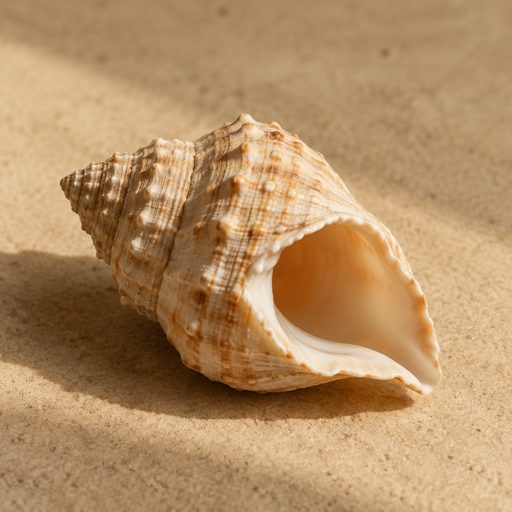
- Seashell
- MeaningA shell can represent water, tides, and a personal relationship with the coast.
- CautionUse an existing or responsibly sourced shell; collection may be restricted and empty shells still serve wildlife. Do not assume a shell is safe as an incense burner.
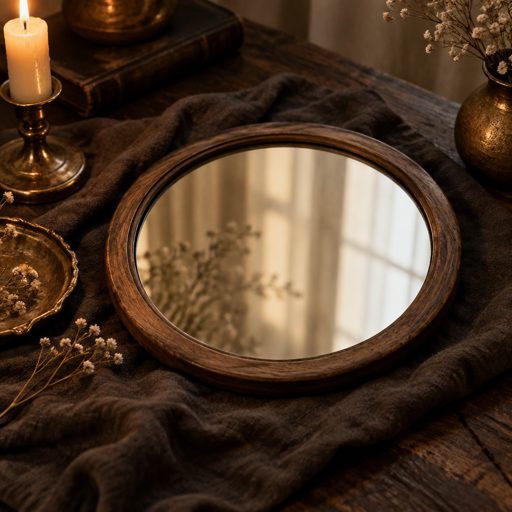
- Small mirror
- MeaningA mirror can stand for water's reflective qualities without requiring a liquid-filled vessel.
- UseUse it as a prompt for self-reflection or quiet observation. Keep it out of direct sun and stop if sustained gazing feels unsettling.
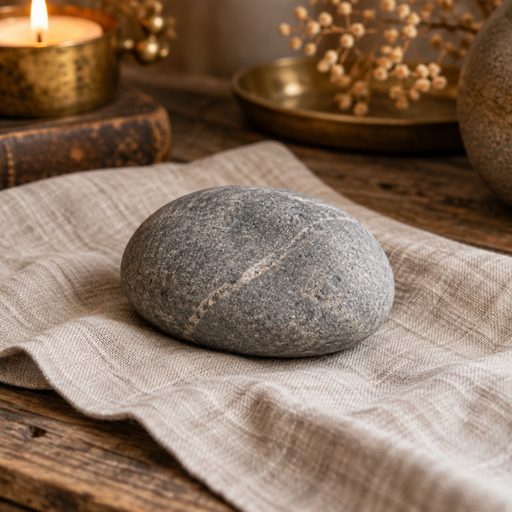
- Fieldstone
- MeaningAn ordinary stone can mark north and earth through its weight, texture, and connection to place.
- UseHold it briefly as a sensory reminder to notice your surroundings. Collect only with permission and never remove material from protected or sacred sites.
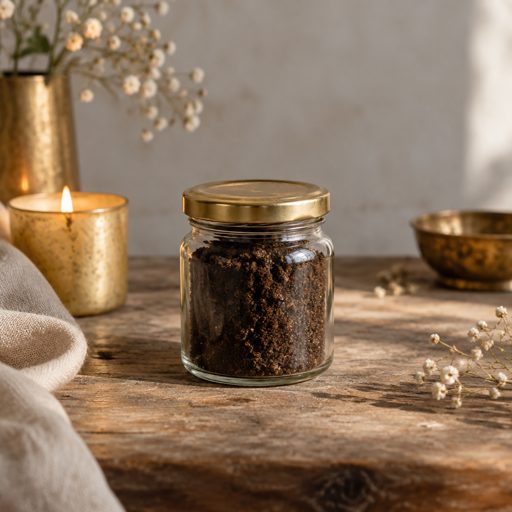
- Soil jar
- MeaningSoil represents earth's capacity to support growth and decomposition.
- CautionUse a little soil from a permitted, uncontaminated source and keep the container closed. Wash your hands after handling soil and do not collect from graves or restricted land.
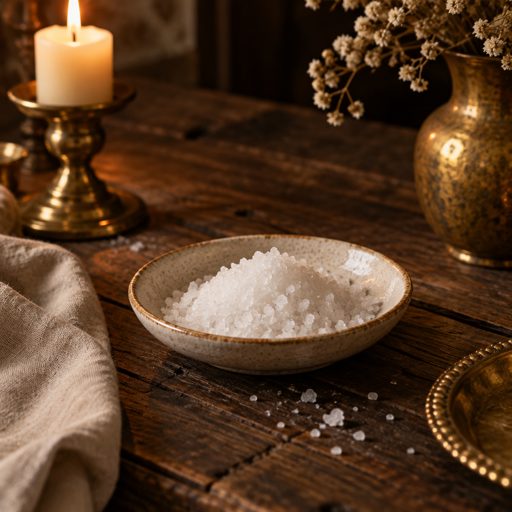
- Salt dish
- TraditionSalt appears in various folk and contemporary magical practices as a symbol of preservation, purification, or protection.
- CautionKeep salt contained and out of pets' reach. Never scatter it or pour salt water onto plants, garden soil, or freshwater habitats.
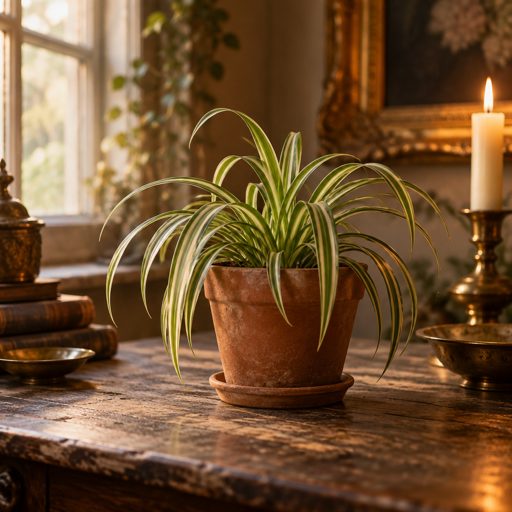
- Potted plant
- MeaningA living plant can make earth symbolism practical: attention becomes watering, suitable light, and patient care.
- CautionChoose a species appropriate to your household and verify its safety for pets. Do not add ritual salt, wax, oils, or incense ash to its soil.
4. Boundaries, Remembrance, and Personal Intention
These tools can help distinguish ritual time from daily activity. Symbolic boundaries do not replace locks, consent, or other practical protections.
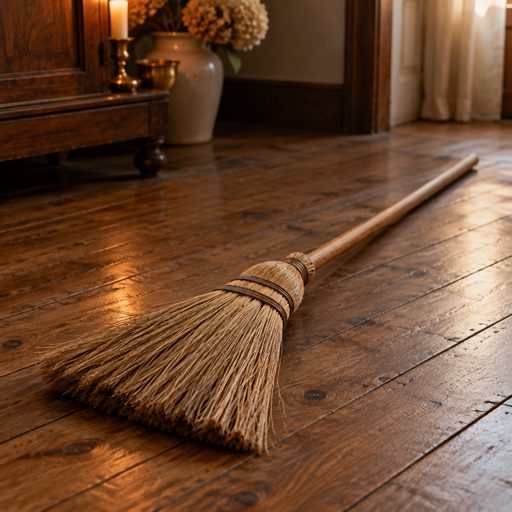
- Small broom
- TraditionBrooms appear in household folklore and some modern Pagan rites as tools of symbolic clearing.
- UseClean the area normally, then make a gentle symbolic sweeping gesture if meaningful to you. Avoid raising dust near candles or sensitive lungs.
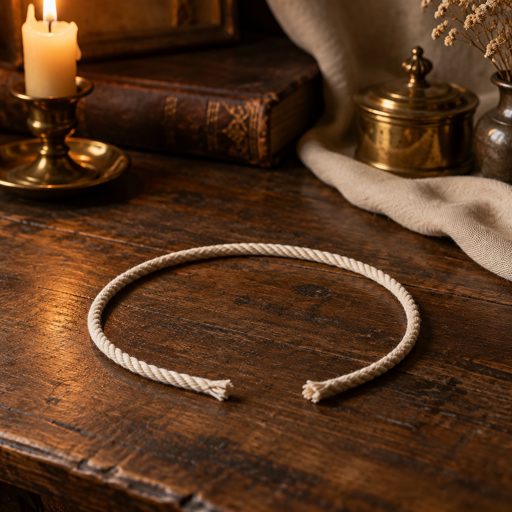
- Boundary cord
- MeaningA cord can outline a small symbolic circle or designate the edge of an altar arrangement.
- CautionKeep it on a tabletop rather than across walking routes. Do not tie it around a person or leave it accessible to children or pets.
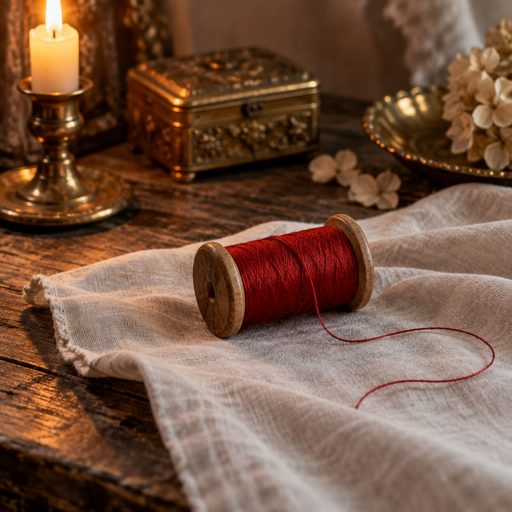
- Red thread
- TraditionRed thread appears in several folk traditions, including some Slavic practices, with meanings that vary by community and context.
- UseTie a short length around a ritual object as a personal reminder of care or commitment. Do not present an improvised knot practice as a universal inherited rite.
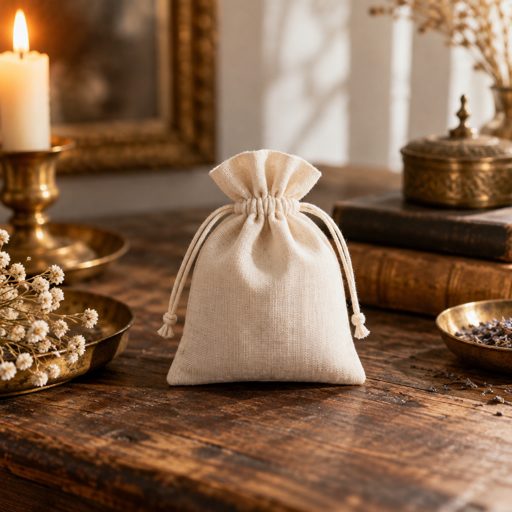
- Herb sachet
- UseA small sachet of an identified herb can provide a scent associated with rest, remembrance, or a season.
- CautionCheck allergies and household pet safety before choosing herbs; natural does not mean harmless. Do not ingest the contents, burn the bag, or add concentrated essential oils casually.
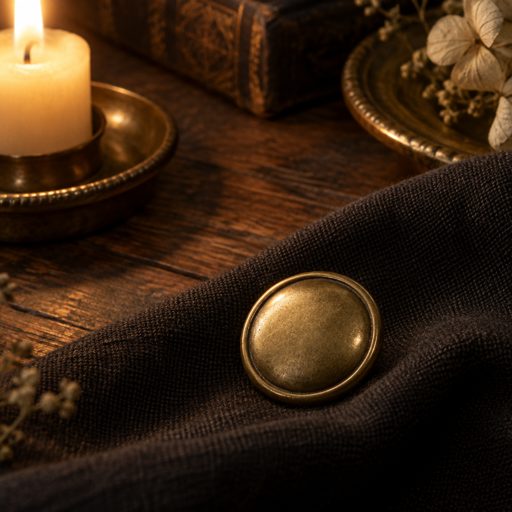
- Remembrance token
- MeaningAn inherited button, small keepsake, or other personal object can honor someone important to you without implying contact with the dead.
- UseChoose an object whose presence feels supportive, and keep fragile keepsakes away from water, wax, and smoke.
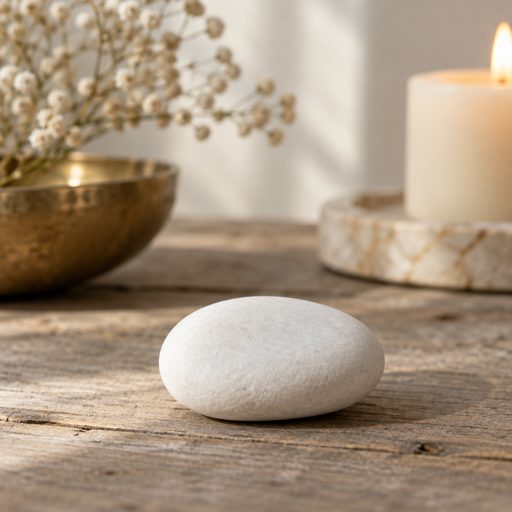
- Intention stone
- UseAssign a plain pebble one simple intention, such as patience or a daily pause. Set it where it can prompt a practical action.
- MeaningIts role is a personal reminder rather than a guarantee of an outcome. You can change its meaning as your needs change.
5. A Practical Setup and Closing Checklist
A small, repeatable arrangement is often easier to care for than an elaborate one.
- Start with a clean, stable surface and one or two tools. Keep exits, walking routes, ventilation, and everyday household functions unobstructed.
- If using the common directional arrangement, place air in the east, fire in the south, water in the west, and earth in the north. Adapt thoughtfully rather than assuming this map belongs to every tradition.
- Check shared-space consent before introducing smoke, fragrance, sound, religious imagery, or objects belonging to someone else.
- Prefer LED light when open flame is unsuitable. Never disable smoke alarms, and supervise every burning candle or incense stick until fully extinguished.
- Keep herbs, oils, matches, batteries, cords, and small stones away from children and pets. Do not taste ritual mixtures or make crystal-infused drinking water.
- Use a spoken intention, a quiet breath, or a moment of stillness to begin. No special purchase or dramatic experience is necessary.
- Close by acknowledging that your practice is finished, extinguishing flames, emptying water, and removing perishable offerings. Let hot holders cool before storing them.
- Put plant material in appropriate household waste or compost only when suitable; keep salt, oils, wax, and non-native seeds out of outdoor spaces and waterways.
- Borrow inspiration respectfully, learn the context of named traditions, and avoid claiming ceremonial authority you have not been given.
- If a practice increases fear, distress, or a sense that you must repeat it to prevent harm, pause and seek grounded support from someone you trust or a qualified professional.
This guide presents spiritual traditions and personal practices, not proven supernatural effects or substitutes for medical care, practical protection, or professional advice.
Step-by-step how-to guides
- How to read tarot cards
- How to use angel oracle cards
- How to read playing cards
- How to use crystals in spells
- How to use herbs in witchcraft
- The Dr. Moorne Egyptian Tarot deck and how to read it
- How to read dice · Dice meanings
- How to read tea leaves · Tea leaf symbols
- How to use a pendulum · Pendulum meanings
- How to cast a candle spell · Candle color meanings
- How to make a spell jar · Spell jar recipes
- How to make a sigil · Sigil methods
- How to cleanse your home · Home cleansing methods
- How to set up an ancestor altar · Ancestor altar items
- How to open a sacred space · Sacred space tools
- How to time spells with the moon · Moon phase meanings
- How to work with water and salt · Water and salt magic
- How to make a protection charm bag · Charm bag recipes
Keep exploring
See the tarot card meanings, angel oracle cards, playing card meanings, crystals for spells and herbs in witchcraft guides, read the Journal, or visit the shops for a reading or spell from our partner practitioners.