Guide
Water and Salt Magic
By Seraphina
Water and salt sit close to everyday life: we wash with one, season with the other, and depend on both. That familiarity helps explain their place in household customs and spiritual practice. Water can suggest renewal, movement, memory, or release; salt often represents preservation, hospitality, boundaries, or protection. These meanings are not universal rules. They vary between communities, historical periods, and individual practitioners, and a modern ritual may draw on personal symbolism rather than an inherited tradition.
At Crossroads Journal, we find it useful to distinguish where a material comes from, how it has been prepared, and what meaning someone gives it. Rainwater is a source; moon water is a preparation; cleansing water describes an intended use. One jar can fit several categories. The same applies to salt: sea salt names an origin, coarse salt describes texture, and ritual black salt usually describes a handmade mixture. None is automatically more powerful, purer, or more appropriate than another. An ordinary bowl of tap water or a pinch of kitchen salt can support a thoughtful practice.
Use this reference as a starting point, not a shopping list or a set of promises. Choose materials that are accessible, legal to collect, and suited to your surroundings. Keep symbolic preparations separate from drinking water and food, label containers clearly, and consider children, pets, wildlife, and plumbing before deciding how to use or discard them. When a practice belongs to a particular religious or cultural community, learn its context rather than assuming every sacred material is interchangeable. Care and attention matter more than rarity.
Waters by source
These associations appear in contemporary magical practice, sometimes alongside older local customs. Collecting a water source does not make it safe to drink.
- Rainwater
- MeaningOften associated with renewal, fresh starts, and the changing seasons.
- UseSet out a small covered jar during reflection on a new beginning. Collected rain may contain pollutants or microbes; avoid roof runoff and do not drink it.
- Storm water
- MeaningSome contemporary practitioners associate storm water with intensity, courage, or decisive change.
- CautionNever go outside during lightning or severe weather to collect it. A safely pre-positioned container can be retrieved after the danger has passed.
- Sea water
- MeaningMay symbolize emotional depth, tidal cycles, cleansing, or the meeting of boundaries.
- CautionCollect only where permitted and safe, away from polluted water and dangerous surf. Do not drink it or pour it onto plants or soil.
- River water
- MeaningFlowing water can represent movement, transition, and letting something pass.
- UseKeep a sealed sample beside a written intention about change. Do not enter fast water to collect it or release ritual materials into the river.
- Stream water
- MeaningOften chosen to symbolize steady progress, adaptability, and small beginnings.
- CautionClear, fast-moving water can still carry pathogens. Treat a collected sample as nonpotable and respect protected stream habitats.
- Lake water
- MeaningStill water can suggest reflection, patience, and feelings held beneath the surface.
- CautionAvoid collecting where there are algae blooms, scum, unusual odors, or public health warnings. Use a photograph or ordinary water as a symbolic substitute.
- Spring water
- TraditionParticular springs have sacred significance in many communities, but their stories and customs are specific to place.
- UseCommercial drinking spring water offers a practical option for a renewal ritual. An untreated natural spring is not automatically safe to drink.
- Well water
- MeaningMay represent roots, household continuity, or what lies below ordinary awareness.
- CautionUse only authorized access points and never approach an unsecured well. Drinking safety depends on appropriate testing, not clarity or a well's age.
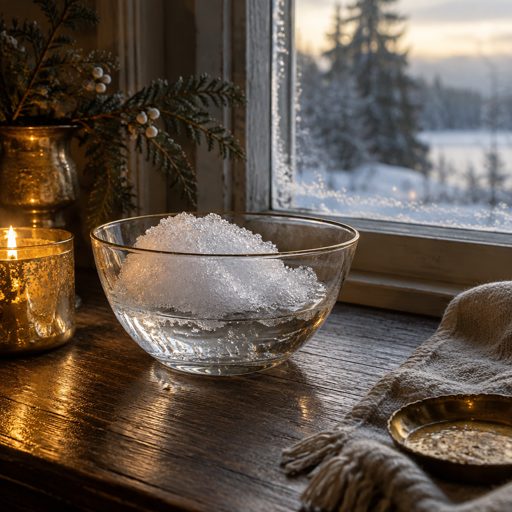
- Melted snow
- MeaningCan symbolize rest, quiet, and the gradual return of movement after a pause.
- CautionSnow can contain pollutants even when it looks clean. Avoid roadside snow and use melted samples only for non-ingestible symbolic practice.
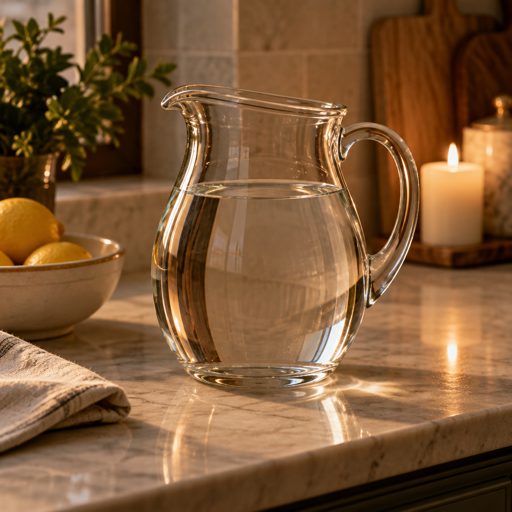
- Tap water
- MeaningEveryday water can represent home, sufficiency, and the sacred within ordinary routines.
- UseUse fresh potable tap water for a simple bowl meditation or as the starting point for a preparation. Follow local drinking-water advisories.
Waters prepared for personal practice
These names describe timing, additions, or intention rather than scientifically distinct kinds of water. Ritual exposure does not disinfect water.
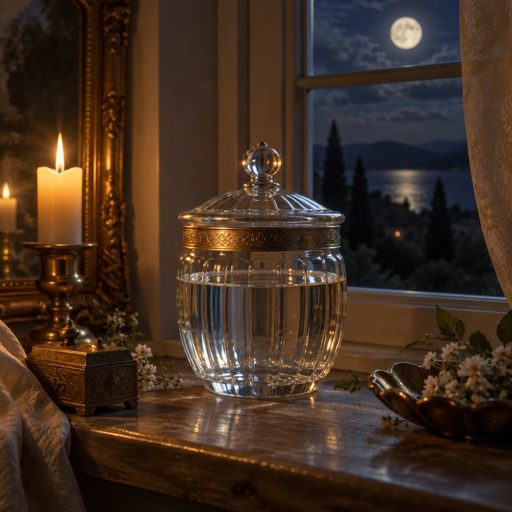
- Moon water
- MeaningIn contemporary witchcraft, moon water is water set aside in connection with the moon, often for reflection or awareness of cycles.
- UsePlace a covered jar on a stable windowsill while setting an intention. Direct moonlight is a matter of personal preference, not a safety or effectiveness requirement.
- Full moon water
- MeaningOften linked with culmination, gratitude, visibility, and taking stock.
- UseKeep a small jar beside a journal while reviewing what has reached completion. These associations are symbolic rather than demonstrated properties of the water.
- New moon water
- MeaningSome practitioners connect the new moon with beginnings, while others emphasize rest or uncertainty.
- UsePrepare a small jar while choosing one realistic intention for the coming cycle. Visible moonlight is not needed for this timing-based practice.
- Waxing moon water
- MeaningCommonly associated in modern lunar practice with growth, learning, and building momentum.
- UsePair the jar with a practical next step, such as scheduling study time or tending an ongoing project.
- Waning moon water
- MeaningOften used as a symbol of release, simplification, or bringing a task to a close.
- UseSet it beside a list of commitments you want to reduce. Let the ritual support a concrete boundary rather than stand in for one.
- Sun water
- MeaningMay symbolize warmth, confidence, clarity, or renewed effort.
- CautionSunlight does not reliably purify a jar of water, and warmth can encourage microbial growth. Keep glass away from combustible materials because some shapes can focus sunlight.
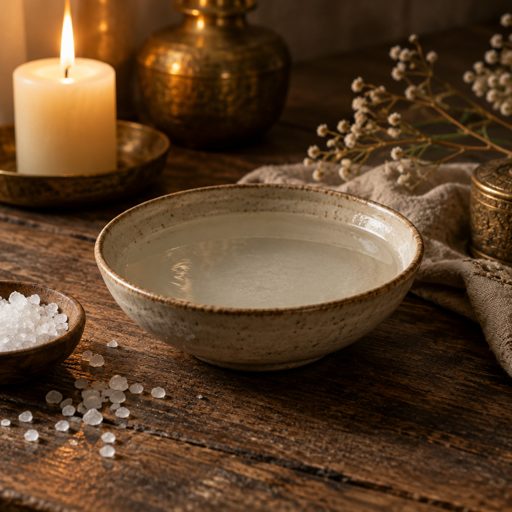
- Salt water
- MeaningA homemade combination often used symbolically for cleansing or marking a boundary.
- CautionKeep it away from plants, soil, electronics, and vulnerable surfaces. Homemade salt water is not sterile saline and should not be used for eyes, wounds, or nasal rinsing.
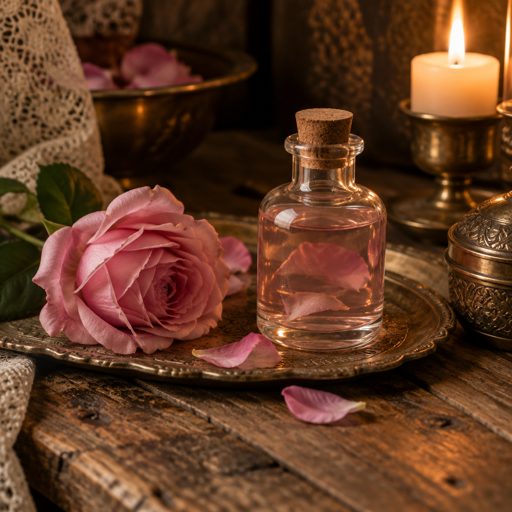
- Rose water
- MeaningRoses often symbolize affection, beauty, tenderness, or remembrance; their religious and cultural meanings vary.
- CautionCulinary rose water, cosmetic rose water, and homemade petal infusions are not interchangeable. Only products explicitly sold as food should be considered for ingestion.
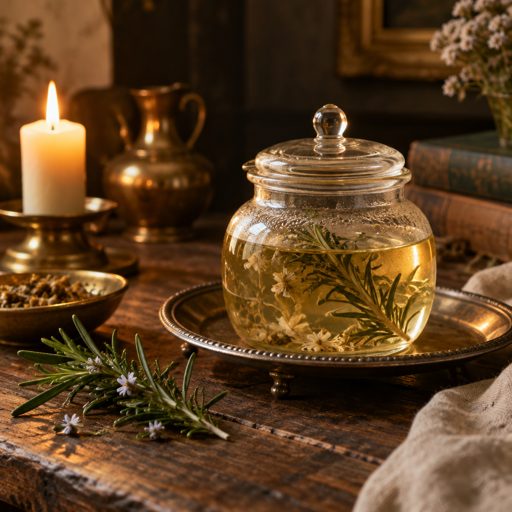
- Herbal ritual water
- UseSome practitioners steep a chosen herb for its scent or personal associations. An herb placed beside a sealed jar offers symbolism without adding plant material.
- CautionHerbs may be toxic, irritating, or unsafe around pets, and infusions spoil readily. Do not ingest an unidentified blend or assume essential oils mix safely into water.
- Blessed water
- TraditionReligious communities have their own ways of blessing and using water. A personal intention over water is not necessarily equivalent to a community's sacred rite.
- UseFollow the guidance of the tradition you participate in, including respectful handling and disposal. A blessing does not change drinking-water safety.
Salts and salt-based preparations
Origin, texture, additives, and intended use matter more for practical handling than color or price. Symbolic correspondences below are options, not fixed historical rules.
- Table salt
- MeaningAn accessible symbol of preservation, everyday protection, and household care.
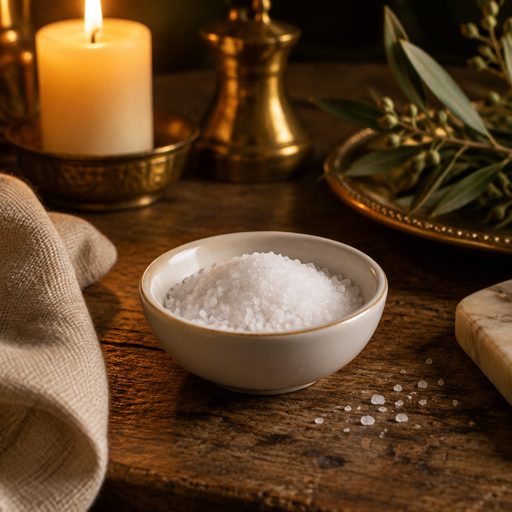
- UsePlace a pinch in a dedicated dish rather than scattering it. Iodine and anti-caking additives do not prevent symbolic use.
- Sea salt
- MeaningOften chosen for ocean associations, cleansing symbolism, or connection with coastal places.
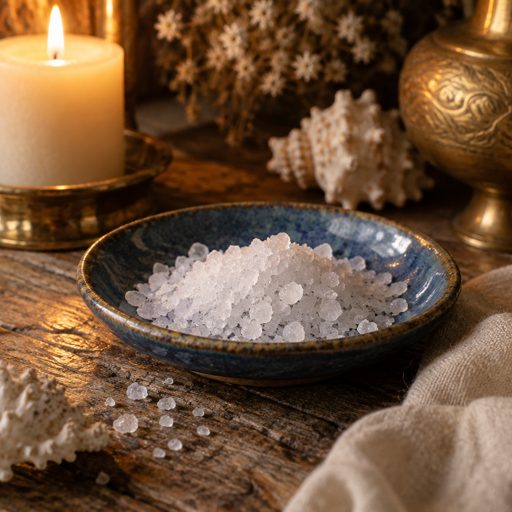
- CautionSea salt still damages plants and can corrode metal. Its origin does not make it suitable for outdoor ritual circles.
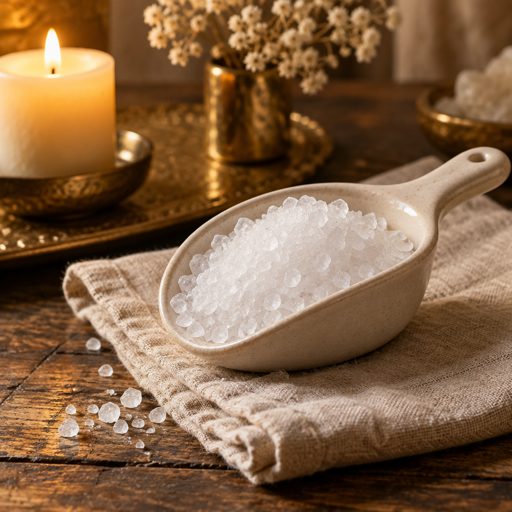
- Coarse kosher salt
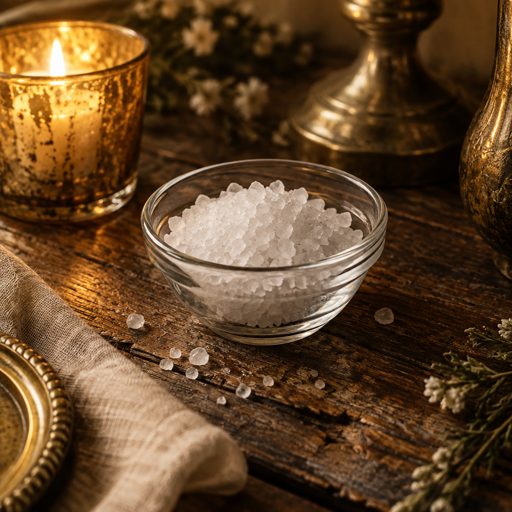
- UseIts visible grains work well for a small symbolic line or pattern on a washable tray.
- ContextThe name commonly refers to salt used in koshering meat, not a magical quality. Do not assume the name means the salt has been ritually blessed.
- Rock salt
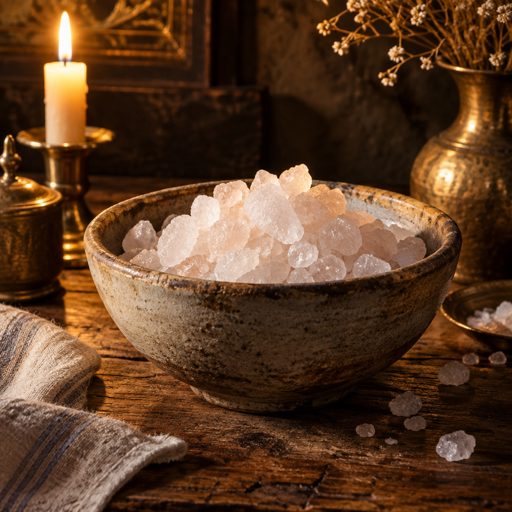
- MeaningLarge crystals may suggest solidity, endurance, or a firmly held boundary.
- CautionUse a suitable food-grade product for kitchen purposes. Deicing and industrial salts may contain additives and should not be used in food, baths, or skin preparations.
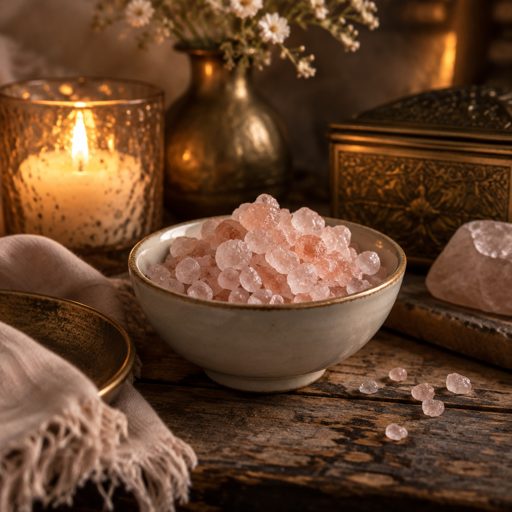
- Pink Himalayan salt
- MeaningSome contemporary practitioners use its pink color to suggest gentleness, affection, or self-care.
- ContextIts color does not establish superior cleansing, healing, or spiritual effects. Ordinary salt can serve the same symbolic purpose.
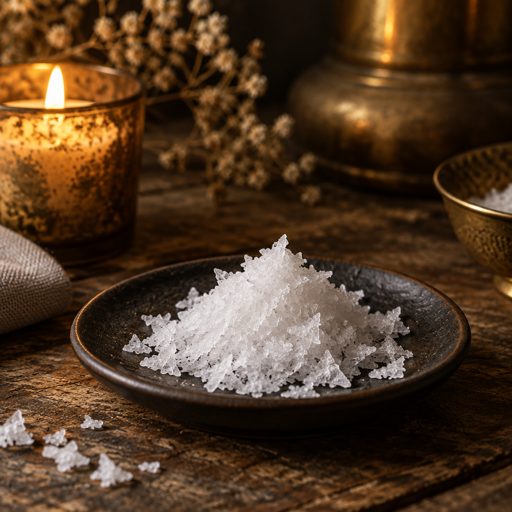
- Flake salt
- MeaningIts light, fragile structure can suggest delicacy, mindful attention, or appreciation of small details.
- UseDisplay a small amount in a covered dish during a gratitude practice. Humidity can dissolve or clump the flakes.
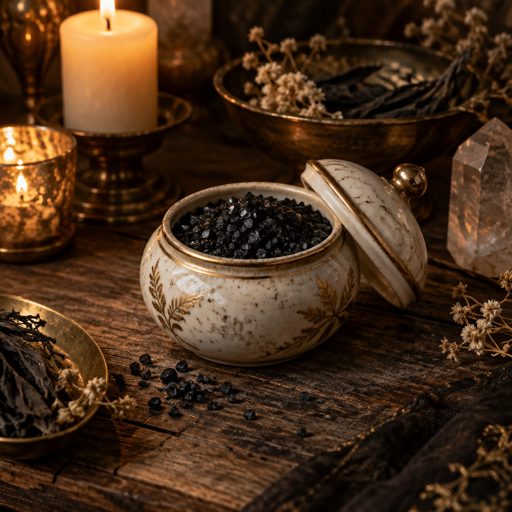
- Ritual black salt
- MeaningIn some contemporary witchcraft practices, darkened salt symbolizes protection or firm boundaries. Recipes differ and are not a single universal tradition.
- CautionMixtures containing ash, charcoal, or other nonfood ingredients are not edible and may irritate or stain. Avoid inhaling dust, and never use ash from treated wood or unknown burned materials.
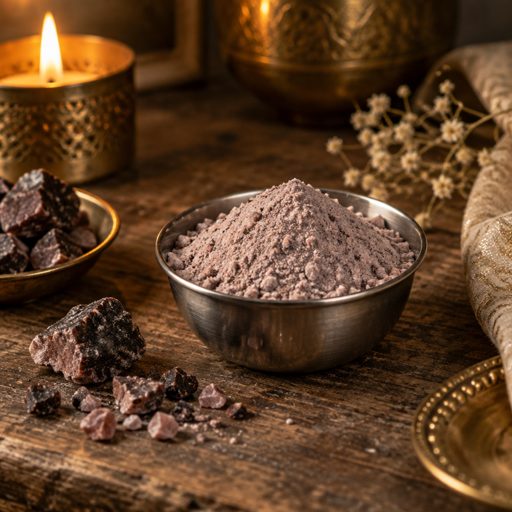
- Kala namak
- ContextKala namak is a sulfurous culinary salt used in South Asian cooking. It is different from the nonfood mixture often called ritual black salt.
- UseAny magical association should be identified as personal unless grounded in a specific source or tradition. Keep food-grade stock separate from ritual mixtures.
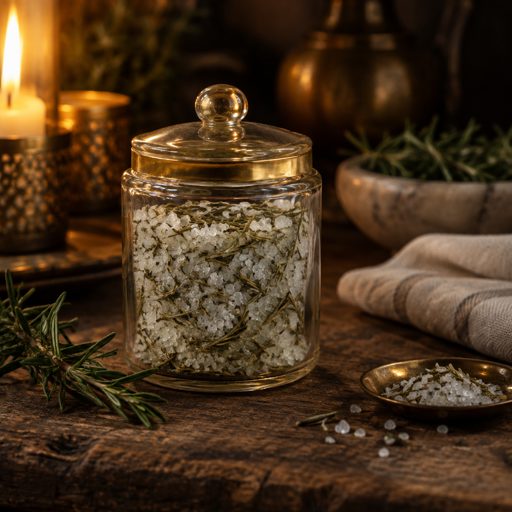
- Herb salt
- UseDried herbs can add scent and personal symbolism to a contained salt preparation. Choose one clearly identified ingredient rather than an unknown blend.
- CautionRitual blends are not automatically edible or bath-safe. Keep them away from pets and children, and discard mixtures that become damp, moldy, or musty.
- Epsom salt
- ContextEpsom salt is magnesium sulfate, not the sodium chloride used as table salt. Some people include it in a bath ritual associated with rest.
- CautionFor bathing, follow a product labeled for that purpose and stop if irritation occurs. Do not ingest it as part of a ritual or claim it removes toxins.
Practical care, storage, and disposal
A careful practice protects your household and the places that give these materials their meaning.
- Label every preparation with its contents, collection or mixing date, and intended use. Mark nonpotable waters and nonfood salts clearly, and store them away from food and medicines.
- Make small batches in clean containers. There is no universal safe shelf life for collected or infused ritual water; refrigeration does not sterilize it, and clear appearance does not prove safety.
- Keep drinking water separate from display jars. Never drink water containing unknown herbs, essential oils, ash, glitter, or crystals; some minerals can release harmful substances.
- If you want a crystal nearby, place it outside the sealed water container. Do not assume a stone is water-safe because it is polished or sold for spiritual use.
- Collect only with permission and follow local rules. Avoid floodwater, polluted sites, hazardous weather, fragile habitats, and water sources reserved for community or religious use.
- Use trays or covered dishes instead of salt lines on floors or outdoors. Keep all preparations out of reach of children and animals; concentrated salt can poison pets if swallowed.
- Do not pour salt water onto soil, into plant pots, or into freshwater habitats. For a small amount of plain household salt water, use a sanitary drain with running water only where local guidance and your wastewater system permit.
- Keep oils, ash, plant solids, and glitter out of drains and natural waterways. Dispose of mixtures according to their ingredients and local waste guidance rather than treating burial as automatically safe.
- Patch-test suitable skin products and avoid eyes, broken skin, and sensitive areas. Use only bath-labeled preparations as directed, and remember that fragrance and herbs can cause reactions.
- Candles are optional. If used, keep them on stable, heat-resistant holders away from dried herbs, cloth, and shelves; never leave a flame unattended, and do not heat sealed jars.
- You do not need rare ingredients or purchased spellwork to begin. A small bowl of fresh water, a contained pinch of salt, and a clear personal intention are enough for a simple symbolic practice.
This guide describes spiritual traditions and personal practices, not proven supernatural effects or substitutes for medical care.
Step-by-step how-to guides
- How to read tarot cards
- How to use angel oracle cards
- How to read playing cards
- How to use crystals in spells
- How to use herbs in witchcraft
- The Dr. Moorne Egyptian Tarot deck and how to read it
- How to read dice · Dice meanings
- How to read tea leaves · Tea leaf symbols
- How to use a pendulum · Pendulum meanings
- How to cast a candle spell · Candle color meanings
- How to make a spell jar · Spell jar recipes
- How to make a sigil · Sigil methods
- How to cleanse your home · Home cleansing methods
- How to set up an ancestor altar · Ancestor altar items
- How to open a sacred space · Sacred space tools
- How to time spells with the moon · Moon phase meanings
- How to work with water and salt · Water and salt magic
- How to make a protection charm bag · Charm bag recipes
Keep exploring
See the tarot card meanings, angel oracle cards, playing card meanings, crystals for spells and herbs in witchcraft guides, read the Journal, or visit the shops for a reading or spell from our partner practitioners.