Guide
Moon Phase Meanings
By Seraphina
The Moon offers a familiar rhythm for reflection: a dark beginning, a growing light, a bright midpoint, and a gradual return to quiet. Across cultures, people have used lunar cycles to mark time, celebrate seasons, and give shape to spiritual life. There is no single universal dictionary of moon meanings, however. The associations in this guide draw mainly on contemporary Western astrology and modern lunar practice, rather than presenting every tradition as if it shares the same beliefs or history.
A useful starting point is to separate phase from sign. The phase describes how much of the Moon’s sunlit side appears illuminated from Earth; it follows a cycle of about 29.5 days. The zodiac sign is an astrological placement, with the Moon spending roughly two to three days in each sign. In symbolic practice, the phase supplies a broad theme, such as beginning or reviewing, while the sign adds a particular mood or focus. Neither determines what will happen to you.
At Crossroads Journal, we favor a gentle approach: let lunar symbolism support your attention, not rule your calendar. You might journal at the new moon, review a project at the full moon, or simply step outside and notice the sky. A notebook and a few quiet minutes are enough; purchased tools are optional. Use the entries below as invitations to experiment, adapting them to your beliefs, energy, and circumstances. If a suggested meaning does not fit your experience, you are free to leave it behind.
The Eight Moon Phases
These meanings are common in modern lunar spirituality. The four principal phases are moments in the lunar cycle; the crescent and gibbous phases describe the intervals between them.
- New Moon
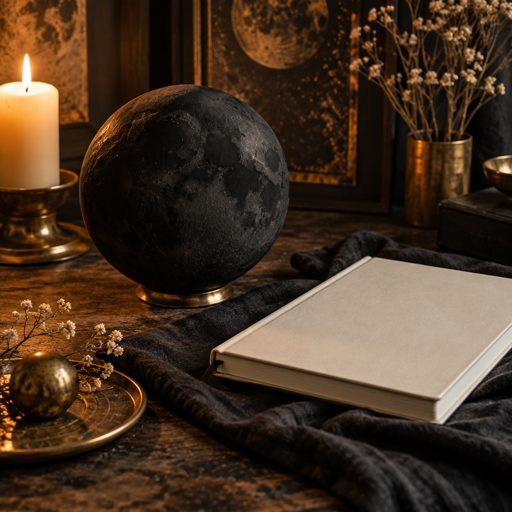
- MeaningThe new moon commonly symbolizes beginnings, inward attention, and possibility before visible progress. Astronomically, the Moon is near the Sun in our sky and usually invisible.
- UseChoose one intention and identify a small action that supports it. Leave room for uncertainty rather than treating an intention as a prediction.
- Waxing Crescent
- MeaningThe growing crescent is associated with hope, commitment, and tending something new. Its symbolism emphasizes early effort rather than immediate results.
- UseTake the first manageable step toward your intention. Gather supplies, make an appointment, or set aside ten minutes for practice.
- First Quarter
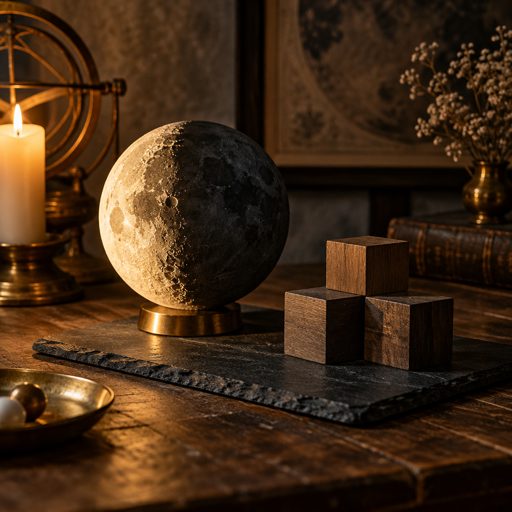
- MeaningAlthough the Moon looks half illuminated, it has reached the first quarter of its cycle. Modern interpretations connect this phase with decisions, effort, and meeting obstacles.
- UseName a practical barrier and choose a response you can control. Adjust your plan rather than assuming difficulty means you should stop.
- Waxing Gibbous
- MeaningThis nearly full phase is often linked with refinement, preparation, and patient improvement. It invites attention to what is developing without demanding perfection.
- UseEdit a draft, rehearse a conversation, or check the details of a project. Decide what is good enough before adding more work.
- Full Moon
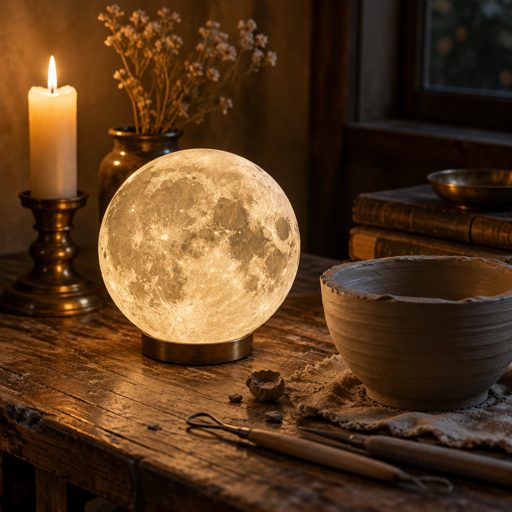
- MeaningThe full moon commonly represents illumination, culmination, and celebration. Some practitioners also associate it with release, though that emphasis varies.
- UseReview what has become clearer and acknowledge completed work. A quiet evening is as valid a practice as a gathering or elaborate ritual.
- Waning Gibbous
- MeaningAfter fullness, the decreasing light is associated with gratitude, integration, and sharing what you have learned. Some modern sources call this the disseminating phase.
- UseRecord a useful lesson or thank someone who supported you. Share advice only when it is welcome.
- Last Quarter
- MeaningAlso called the third quarter, this phase is commonly associated with reassessment, boundaries, and letting go. Its symbolism favors honest review over self-punishment.
- UseIdentify one obligation, habit, or expectation that needs changing. Choose a realistic boundary rather than making an irreversible decision for ritual effect.
- Waning Crescent
- MeaningThe final crescent is associated with rest, closure, and space between cycles. Some modern practitioners call it the balsamic phase.
- UseSimplify your practice and leave a little unscheduled time. Note what you want to carry forward without rushing to start again.
The Moon in the Twelve Zodiac Signs
These entries describe symbolic themes for the transiting Moon in Western tropical astrology, not fixed personality traits or forecasts. Tropical signs are twelve equal divisions of the zodiac, not the same as the astronomical constellations; sidereal systems use different reference points.
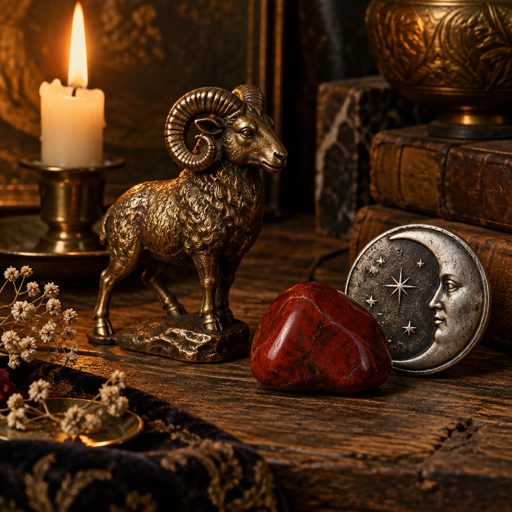
- Moon in Aries
- MeaningAries brings associations of initiative, directness, and courage. In lunar practice, it can serve as a prompt to notice what you want to begin.
- UseTry a short task that needs a confident first move. Pause before turning a moment of frustration into a confrontation.
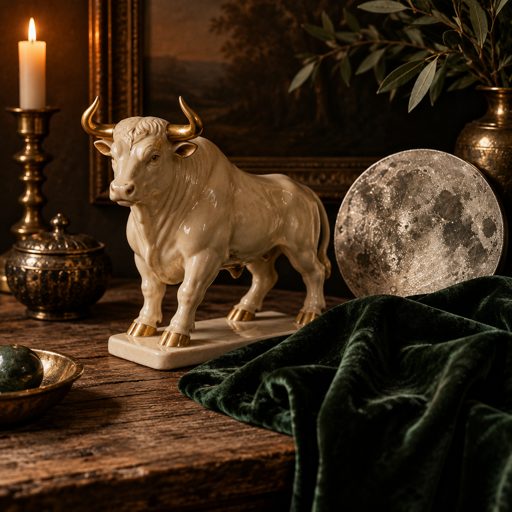
- Moon in Taurus
- MeaningTaurus is associated with steadiness, sensory comfort, and material needs. Its lunar symbolism invites attention to what helps you feel supported.
- UsePrepare a familiar meal, review a household budget, or care for a favorite possession. Comfort does not require buying something new.
- Moon in Gemini
- MeaningGemini is linked with curiosity, conversation, and multiple perspectives. This placement offers a symbolic focus for questions rather than quick certainty.
- UseWrite freely, exchange ideas, or learn one small thing. Check facts before passing along an appealing claim.
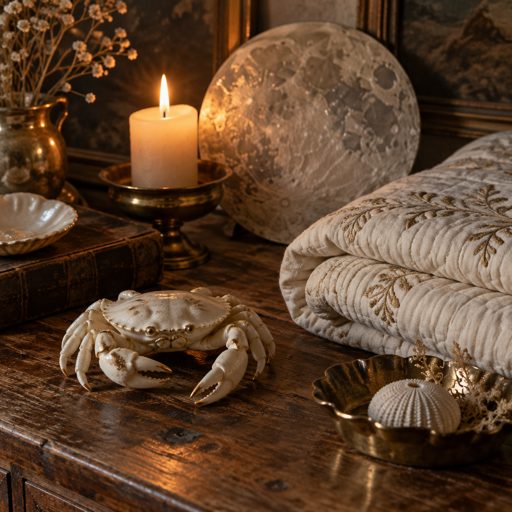
- Moon in Cancer
- MeaningCancer carries associations of home, memory, care, and belonging. In traditional Western astrology, the Moon is said to rule Cancer.
- UseTend your living space or reflect on what emotional safety means to you. Family-focused practices are optional, especially where family relationships are difficult.
- Moon in Leo
- MeaningLeo is associated with creativity, warmth, play, and being seen. Its lunar symbolism can invite generous self-expression.
- UseMake something for pleasure or acknowledge an achievement without comparison. Offer appreciation without requiring attention in return.
- Moon in Virgo
- MeaningVirgo is linked with discernment, useful routines, and careful attention. This symbolism favors practical care over impossible standards.
- UseOrganize one drawer or make a routine easier to maintain. Avoid turning reflection into criticism of your body or productivity.
- Moon in Libra
- MeaningLibra is associated with reciprocity, beauty, fairness, and partnership. Its lunar theme invites consideration of both connection and personal boundaries.
- UseReview whether an agreement feels fair or make a shared space more welcoming. Harmony need not mean avoiding a necessary disagreement.
- Moon in Scorpio
- MeaningScorpio is linked with privacy, emotional depth, trust, and change. Lunar interpretations often emphasize what lies beneath a surface reaction.
- UseJournal privately about a boundary or recurring feeling. Do not pressure yourself to revisit painful experiences in the name of transformation.
- Moon in Sagittarius
- MeaningSagittarius carries associations of exploration, learning, and the search for meaning. Its symbolism encourages a wider view without promising easy answers.
- UseRead beyond your usual interests or take a safe, unfamiliar walking route. Let curiosity include respect for other cultures and their boundaries.
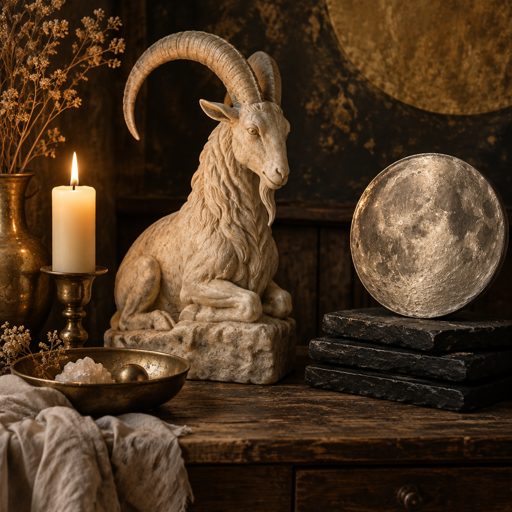
- Moon in Capricorn
- MeaningCapricorn is associated with responsibility, structure, and long-term effort. This lunar theme can help frame reflection on commitments and limits.
- UseBreak a large goal into realistic stages. Include rest and support in the plan rather than measuring worth by output.
- Moon in Aquarius
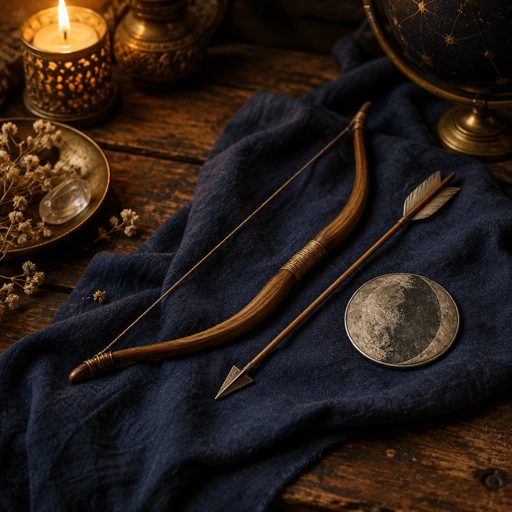
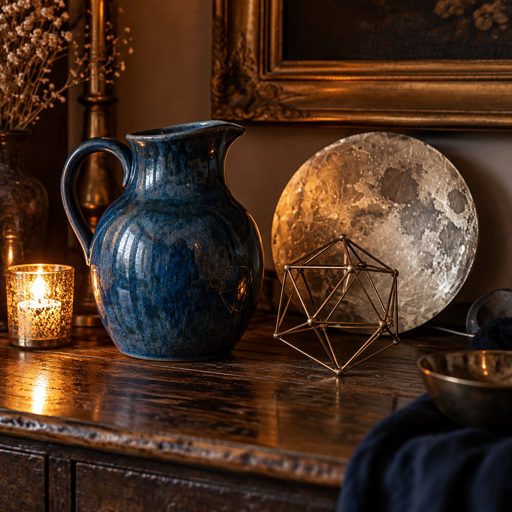
- MeaningAquarius is linked with community, independence, experimentation, and systems. Despite its water-bearer symbol, it is an air sign in Western astrology.
- UseConsider a small contribution to a community project or test a different routine. Make room for individual needs within collective ideals.
- Moon in Pisces
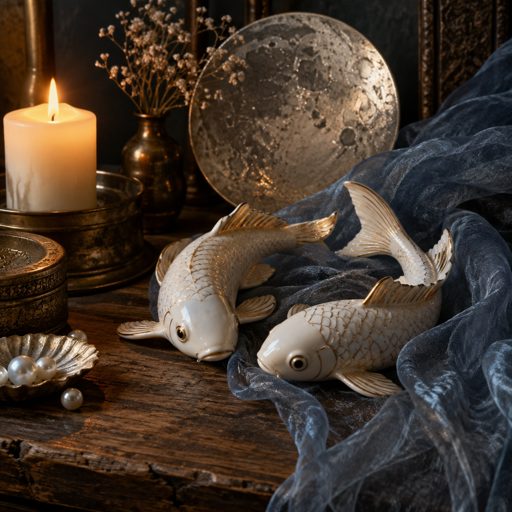
- MeaningPisces is associated with imagination, compassion, dreams, and emotional openness. Its lunar symbolism can support creative or contemplative practice.
- UseListen to music, sketch, or record a remembered dream as personal imagery rather than a prediction. Keep clear boundaries around time, money, and emotional care.
Six Simple Ways to Work with Lunar Symbolism
These optional practices turn symbolic meanings into everyday reflection. None requires special purchases or depends on a supernatural result.
- A Moon Journal
- UseRecord the date, phase, and a few observations about your day. Add the Moon’s sign if astrology is part of your practice.
- CautionLook for personal insights without assuming the Moon caused a mood or event. Ordinary factors such as sleep, stress, and circumstances also matter.
- An Intention Card
- UseAt the new or waxing moon, write one intention centered on your own choices. Pair it with a concrete action and a date to review your progress.
- MeaningThe card acts as a reminder, not a contract with the universe. Revising an intention is a normal response to new information.
- A Candle Reflection
- UseUse a candle as a focal point while considering one phase meaning. A battery-operated candle offers a flame-free alternative.
- CautionKeep flames away from fabric, herbs, paper, children, and pets, and never leave them unattended. Do not coat candles with dried plants or other combustible decorations.
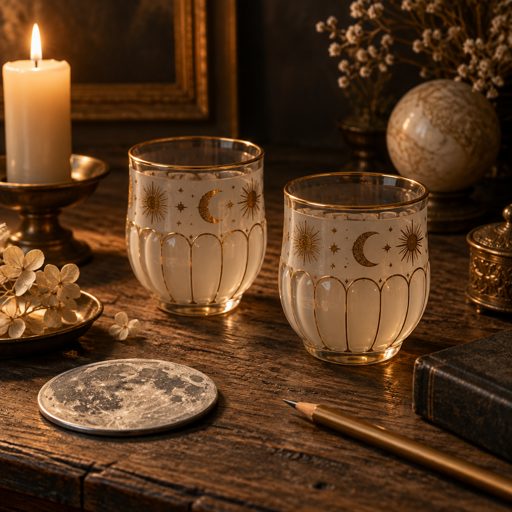
- A Moon-Water Vessel
- TraditionIn some contemporary spiritual practices, water is placed in moonlight as a symbolic way to mark an intention. There is no established evidence that moonlight gives water healing properties.
- CautionMoonlight does not disinfect water; use potable water and food-safe handling if it will be consumed. Do not drink water containing crystals, essential oils, or unidentified plants.
- A Botanical Display
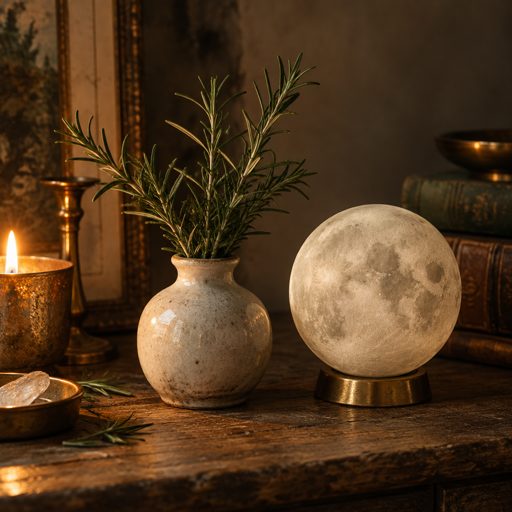
- UseChoose a familiar plant as a visual reminder of growth, patience, or seasonal change. Botanical correspondences vary, so personal associations can be enough.
- CautionIdentify plants accurately and check their safety around children and pets. Do not ingest or burn herbs simply because they appear in a ritual guide.
- A Release Bowl
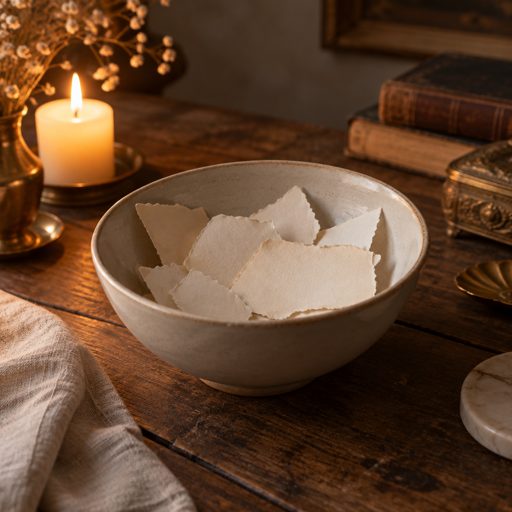
- UseDuring a waning phase, write down an expectation you want to reconsider, then tear the paper into a bowl. Follow the gesture with a practical boundary or change.
- CautionDispose of the paper appropriately rather than burning it or leaving it outdoors. Release rituals need not involve fire, salt, or anything added to waterways.
Practical Notes for a Grounded Moon Practice
Keep your practice flexible, safe, and proportionate to everyday life.
- Check a reliable lunar calendar and its time zone. A phase occurs at the same moment worldwide, but its local date and clock time can differ.
- For the Moon’s zodiac sign, check whether your source uses a tropical or sidereal system. Near a sign change, the exact time matters.
- The same lunar phase can look differently oriented depending on your hemisphere and viewing angle. A right-lit crescent is not a universal rule for identifying waxing.
- Combine phase and sign as prompts: a waxing moon in Virgo might suggest refining a routine, while a waning moon in Libra might invite reviewing an agreement.
- Do not delay healthcare, essential tasks, or important safety decisions to wait for a preferred phase or sign.
- Choose smoke-free and flame-free options where possible. Consider allergies, ventilation, pets, and everyone sharing the space.
- Keep salt and salt water out of plant pots, garden soil, and freshwater habitats; they can harm plants and other organisms. Keep ritual materials out of natural spaces.
- Treat symbolic objects as reminders, not necessities. Missing a moon phase does not spoil your progress or require a corrective ritual.
Moon meanings are cultural and spiritual interpretations, not scientifically established influences or substitutes for medical, legal, or financial advice.
Step-by-step how-to guides
- How to read tarot cards
- How to use angel oracle cards
- How to read playing cards
- How to use crystals in spells
- How to use herbs in witchcraft
- The Dr. Moorne Egyptian Tarot deck and how to read it
- How to read dice · Dice meanings
- How to read tea leaves · Tea leaf symbols
- How to use a pendulum · Pendulum meanings
- How to cast a candle spell · Candle color meanings
- How to make a spell jar · Spell jar recipes
- How to make a sigil · Sigil methods
- How to cleanse your home · Home cleansing methods
- How to set up an ancestor altar · Ancestor altar items
- How to open a sacred space · Sacred space tools
- How to time spells with the moon · Moon phase meanings
- How to work with water and salt · Water and salt magic
- How to make a protection charm bag · Charm bag recipes
Keep exploring
See the tarot card meanings, angel oracle cards, playing card meanings, crystals for spells and herbs in witchcraft guides, read the Journal, or visit the shops for a reading or spell from our partner practitioners.