Guide
Tea Leaf Symbols and Meanings
By Seraphina
Tea leaf reading, often called tasseography, turns the shapes left in a cup into a starting point for reflection. A bird might suggest news, a key might bring an opportunity to mind, and a winding path might echo a decision that needs patience. These are associations, not fixed predictions. For a thoughtful reading, begin with what you actually see, then consider what that image means in your own life. A dog, for example, may evoke companionship for one person and caution for another.
There is no single dictionary of tea leaf symbols shared by every reader. Meanings vary between families, regions, published guides, and individual practices. Many familiar interpretations draw on everyday associations: anchors steady things, bridges connect places, and seeds suggest beginnings. Cup positions add another layer, although readers disagree about their timing and direction. The approach below offers a consistent beginner-friendly framework rather than a universal rulebook. Choose your conventions before reading, and let uncertainty remain when a shape is unclear.
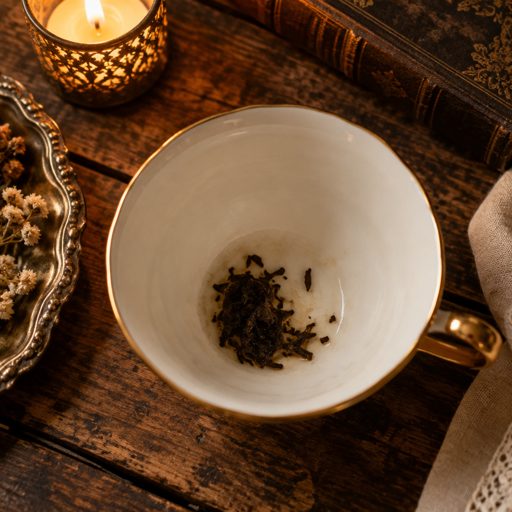
To begin, brew food-grade loose-leaf tea in a pale, wide cup and let it cool to a comfortable drinking temperature. Leave a little liquid with the leaves, swirl gently, and drain carefully onto a saucer if you wish. Look at the whole arrangement before naming individual shapes. Notice your first impression, nearby symbols, and whether a pattern sits at the rim, midway down, or near the base. Record possibilities as questions rather than verdicts. Here at Crossroads Journal, we favor readings that encourage curiosity and personal choice over fear or certainty.
Animal Symbols
Animal shapes often invite reflection on relationships, instincts, and ways of moving through life. Identify the clearest outline first; a few scattered leaves need not become a symbol.
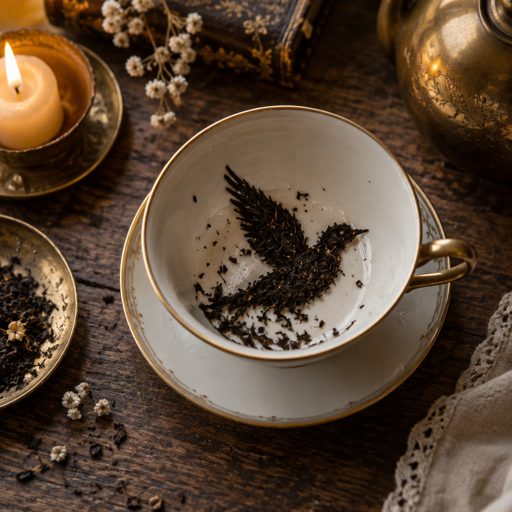
- Bird
- MeaningA bird commonly suggests messages, movement, or a wider perspective. Outspread wings may bring freedom or distance to mind.
- UseAsk what conversation, invitation, or change of viewpoint deserves your attention. Treat nearby symbols as context, not proof that news will arrive.
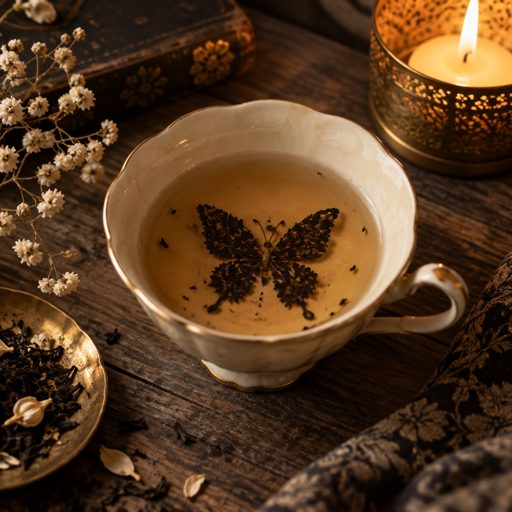
- Butterfly
- MeaningA butterfly is often associated with transition, renewal, and a lighter approach to life.
- UseConsider what is changing and what support would make that transition gentler. An appealing image need not mean change will be effortless.
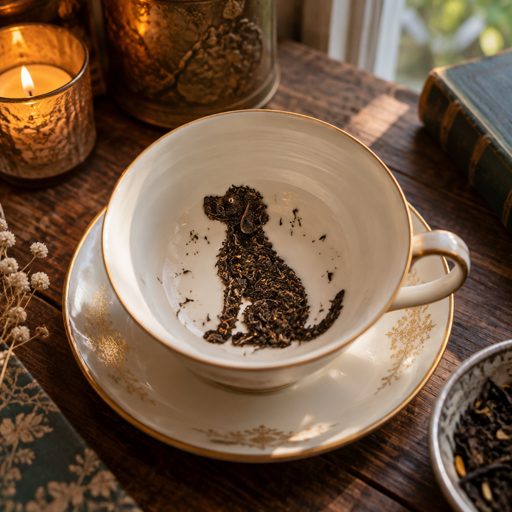
- Dog
- MeaningA dog commonly represents loyalty, friendship, or protection. Your own experience with dogs may change the association.
- UseReflect on who offers dependable support and how you return it. Do not use the shape to declare someone trustworthy without real-world evidence.
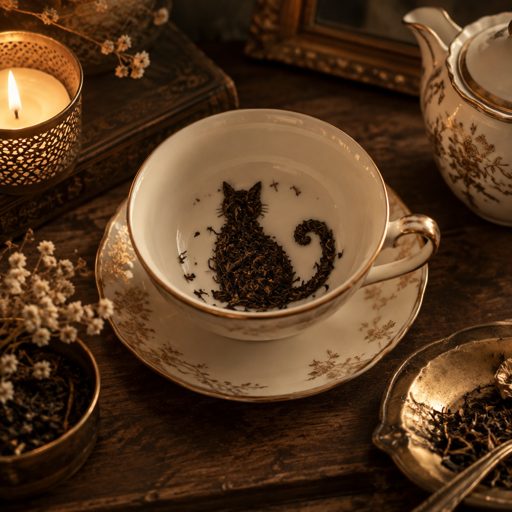
- Cat
- MeaningA cat can suggest independence, privacy, curiosity, or instinct. Some older interpretations connect it with secrecy, but that is not evidence of deception.
- UseAsk where you need more space or clearer boundaries. Let instinct prompt questions rather than accusations.
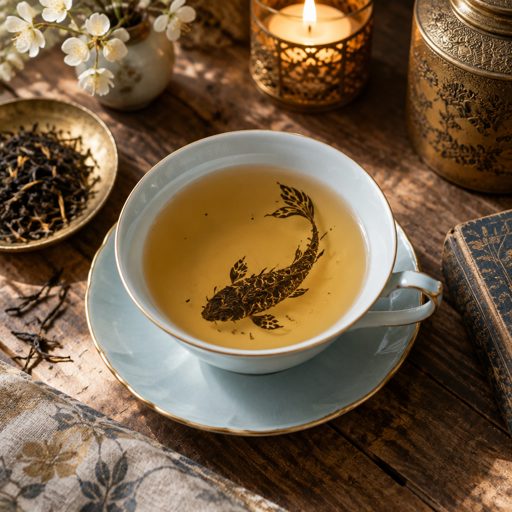
- Fish
- MeaningFish are often linked with abundance, nourishment, and movement beneath the surface.
- UseConsider the resources already available to you and what needs tending. This symbol does not promise money, pregnancy, or good fortune.
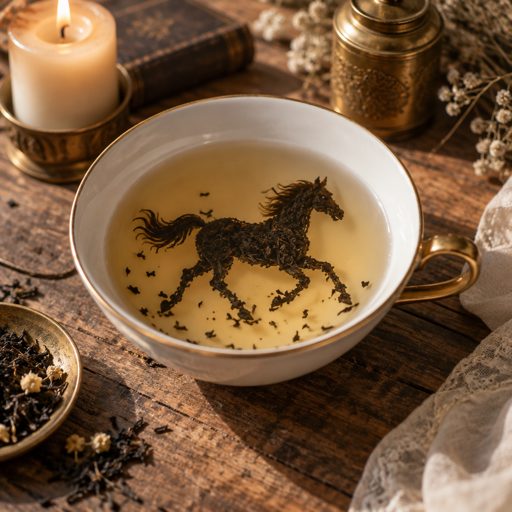
- Horse
- MeaningA horse commonly suggests energy, travel, independence, or forward momentum.
- UseAsk whether your current pace feels purposeful or exhausting. Choose one practical next step rather than assuming rapid success.
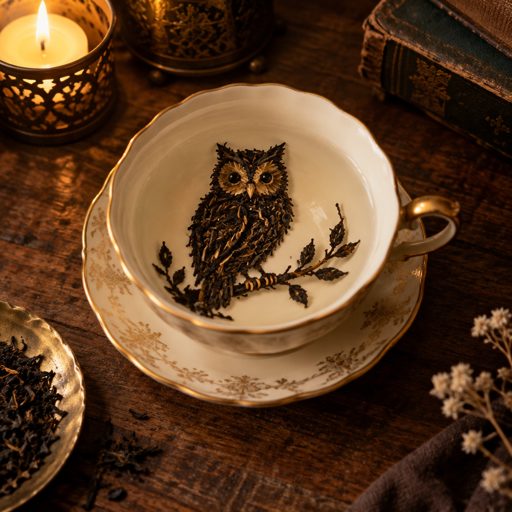
- Owl
- MeaningAn owl may evoke observation, study, or awareness of what is easily overlooked. Its cultural meanings vary considerably.
- UsePause before deciding and gather missing information. Avoid treating an owl as a certain omen of loss or danger.
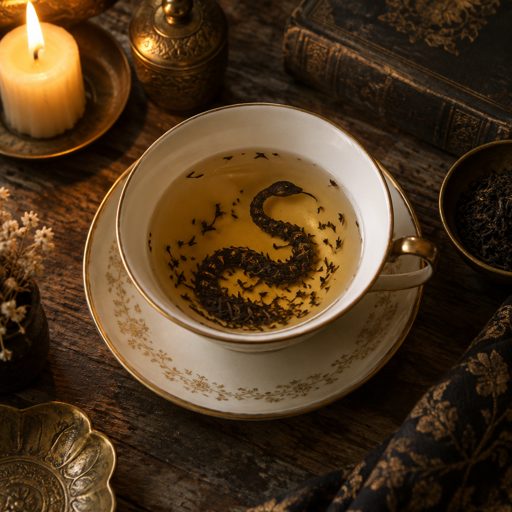
- Snake
- MeaningA snake can suggest renewal through shedding, caution, or a complicated situation. Some guides associate it with rivalry, but that interpretation is not universal.
- CautionNever take this shape as proof of betrayal, illness, or a curse. Ask what needs closer attention without assigning blame.
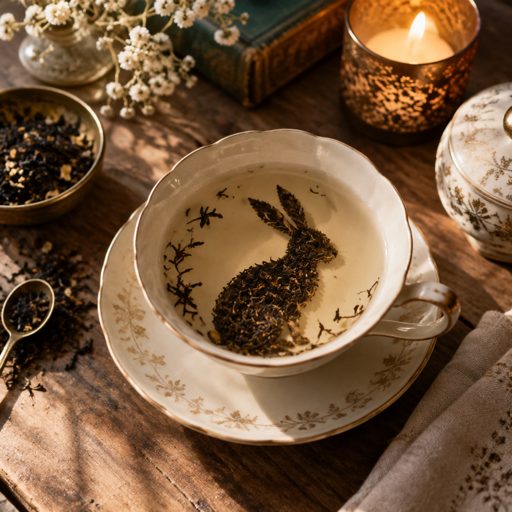
- Rabbit
- MeaningA rabbit often brings quick movement, sensitivity, or growth to mind.
- UseConsider whether you are reacting too quickly or protecting something new. Associations with fertility should never be read as pregnancy information.
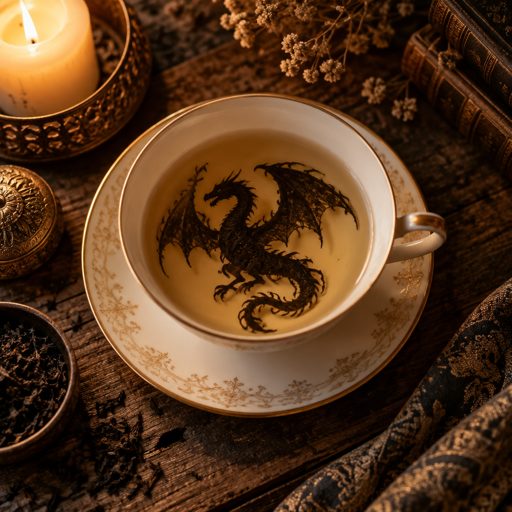
- Dragon
- MeaningA dragon may symbolize power, imagination, protection, or an imposing challenge. Different cultural depictions carry different associations.
- UseAsk what feels larger than life and how you might approach it with courage. Keep the interpretation grounded in your own context.
Objects and Everyday Images
Familiar objects offer useful associations because their ordinary functions are easy to recognize. Start with what an object does before reaching for a more elaborate interpretation.
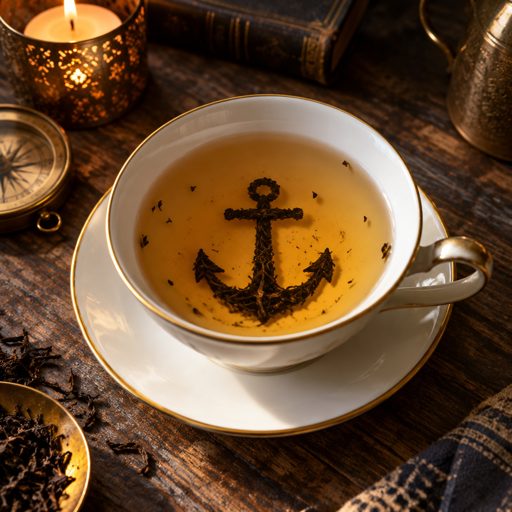
- Anchor
- MeaningAn anchor commonly suggests stability, commitment, or something that keeps you grounded.
- UseAsk whether a commitment supports you or holds you in place. Nearby movement symbols may help you explore that tension.
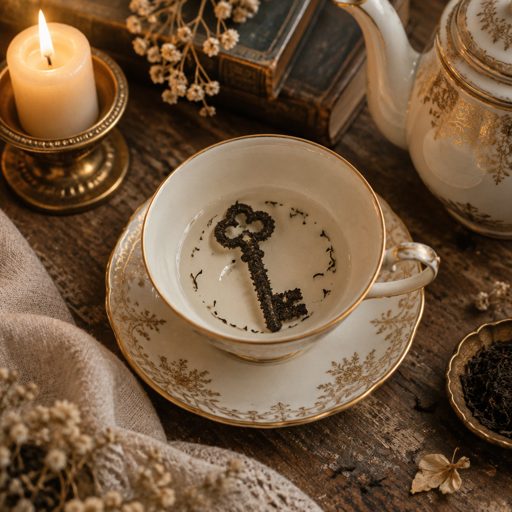
- Key
- MeaningA key often represents access, a solution, or a new possibility.
- UseIdentify a question that might open up with better information or a useful conversation. An opportunity still requires practical action.
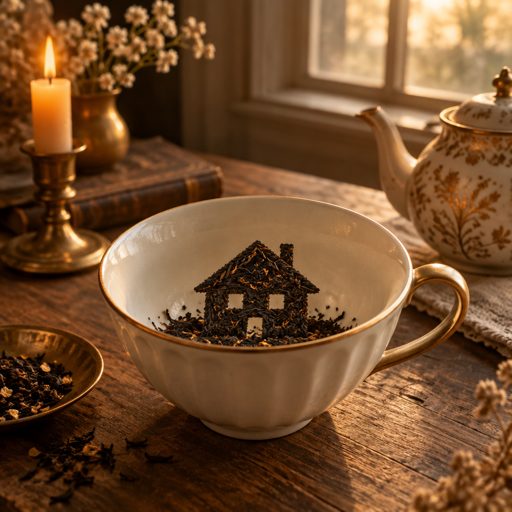
- House
- MeaningA house usually directs attention toward home, belonging, family, or personal foundations.
- UseConsider what would make daily life more settled. The image need not predict a move or a property purchase.
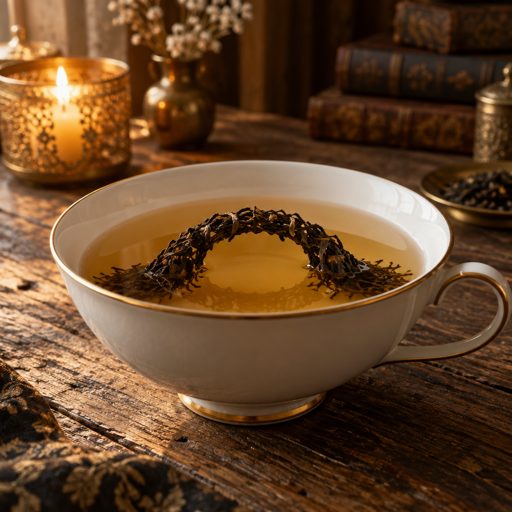
- Bridge
- MeaningA bridge suggests connection, transition, or a way across a difficulty.
- UseAsk what could help you move between two positions or repair communication. Reconnection should respect everyone's boundaries.
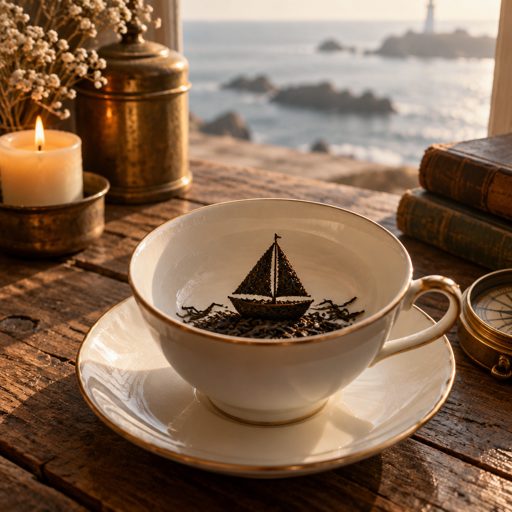
- Boat
- MeaningA boat is often associated with a journey, changing circumstances, or navigating emotions.
- UseReflect on where you are heading and what support you need. Travel is one possible association, not a forecast.
- Ring
- MeaningA ring commonly points to commitment, agreements, or an ongoing bond.
- CautionDo not treat a ring as a promised engagement or a broken outline as a predicted separation. Explore the commitments you can actually discuss and choose.
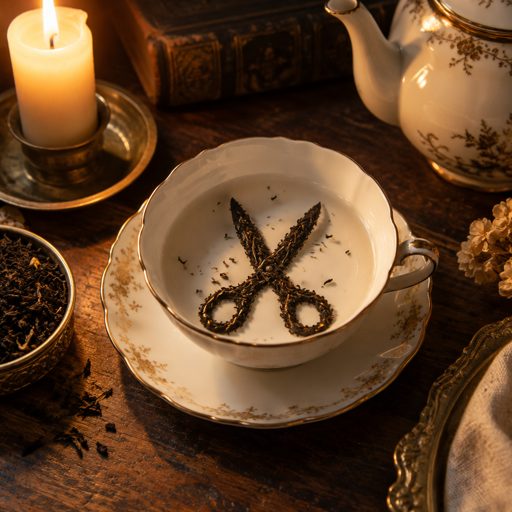
- Scissors
- MeaningScissors may suggest separation, editing, or cutting back on what is unnecessary.
- UseAsk what can be simplified, postponed, or declined. Avoid making irreversible decisions solely because of a reading.
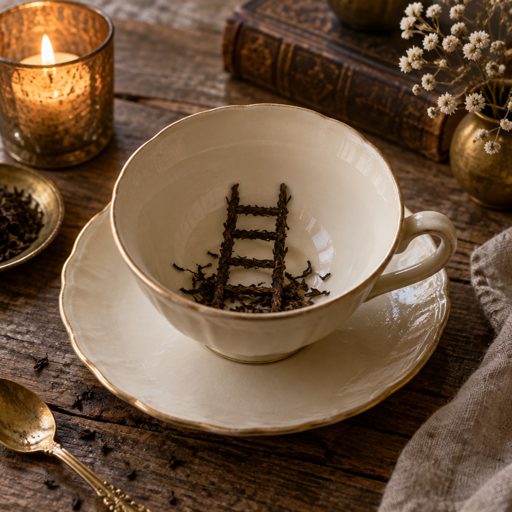
- Ladder
- MeaningA ladder often represents gradual progress, learning, or ambition.
- UseBreak a goal into manageable steps and name the next one. Progress may involve practice rather than a sudden breakthrough.
Shapes, Natural Forms, and Letters
Simple patterns can be easier to recognize than detailed pictures. Letters are especially open to suggestion, so note what you saw before trying to connect it with a name.
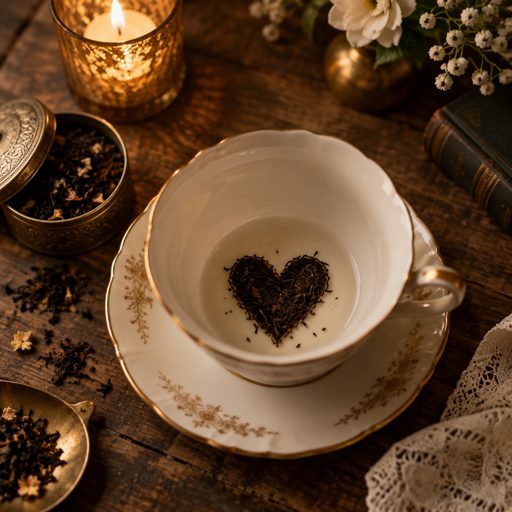
- Heart
- MeaningA heart commonly suggests affection, compassion, emotional priorities, or something deeply valued.
- UseAsk where care is needed or already present. It cannot establish another person's feelings or promise a romance.
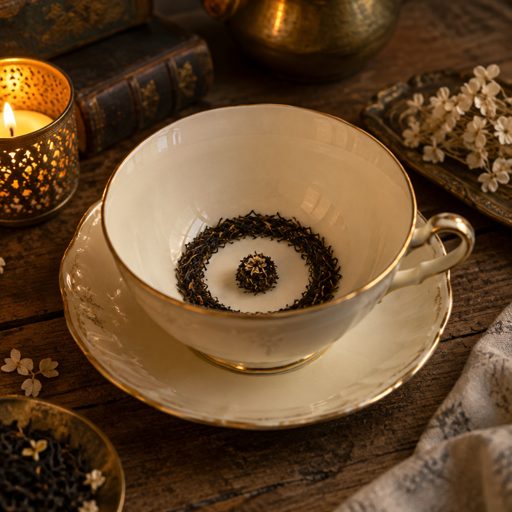
- Circle
- MeaningA circle often suggests wholeness, a recurring cycle, or completion. Unlike a ring image, it need not concern a relationship.
- UseConsider what is coming full circle or repeating. A gap in the outline can become a question about unfinished business, not an omen.
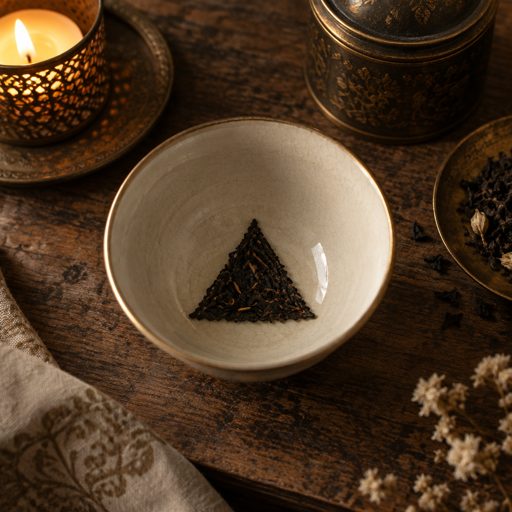
- Triangle
- MeaningA triangle can suggest a firm foundation, a point of focus, or three connected factors. Some symbol guides associate it with good fortune.
- UseName three priorities or influences shaping your situation. Do not assume the shape reveals a romantic triangle.
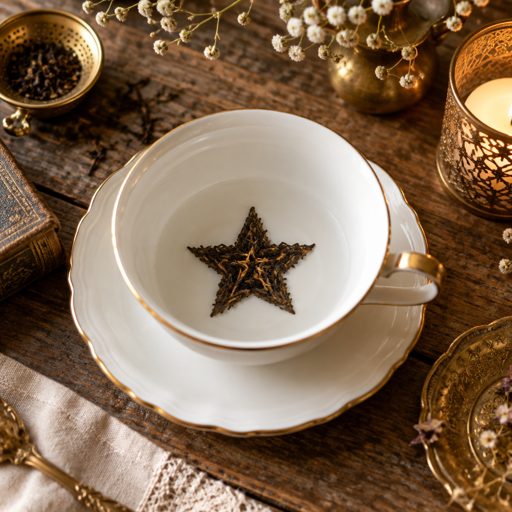
- Star
- MeaningA star is often associated with hope, inspiration, recognition, or direction.
- UseIdentify a goal that still feels meaningful and one action that supports it. The symbol offers encouragement rather than guaranteed success.
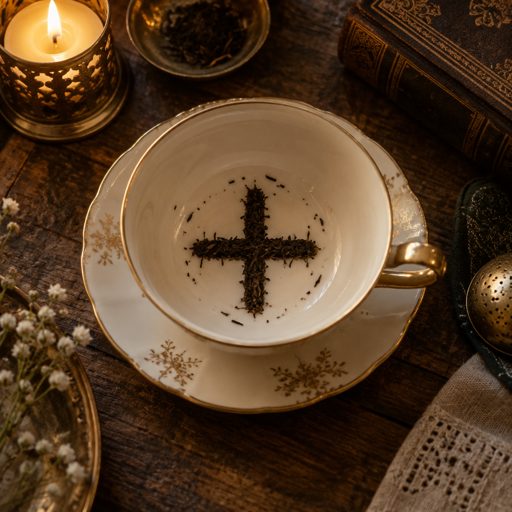
- Cross
- MeaningA cross may suggest an intersection, a responsibility, or a spiritual association. Its meaning depends strongly on personal and cultural context.
- CautionIt is not evidence of death, punishment, or supernatural harm. Consider what demands attention or where two concerns meet.
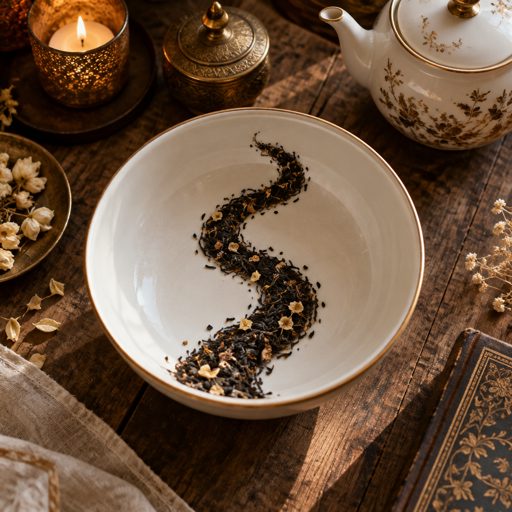
- Path or Winding Line
- MeaningA line may suggest a route, continuity, or movement. A winding line can evoke an indirect approach, while a fork suggests alternatives.
- UseCompare the options you can realistically take. An interrupted line can prompt planning for delays without predicting that they will happen.
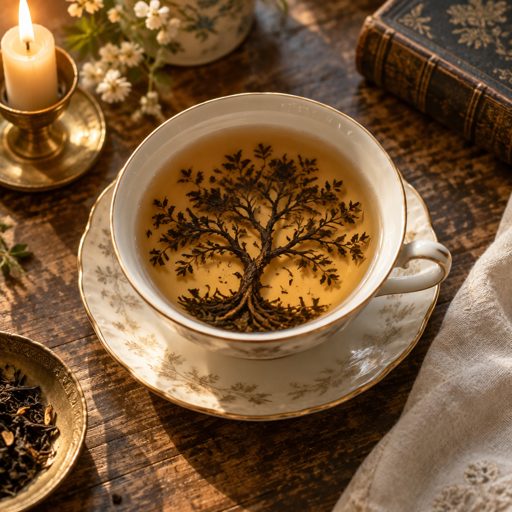
- Tree
- MeaningA tree commonly suggests roots, steady growth, family connections, or long-term work.
- UseAsk what needs consistent care and what helps you feel grounded. A sparse outline should not be interpreted as a health diagnosis.
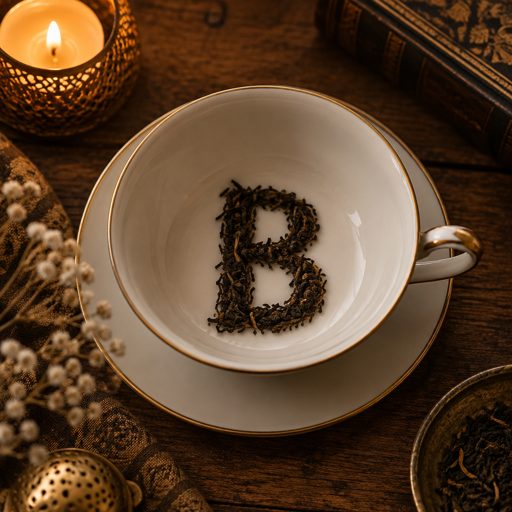
- Letters and Initials
- MeaningLetter-like formations are often read as possible initials, places, or personally meaningful words. There is no dependable fixed meaning for every letter.
- UseWrite down the shape before listing associations, and allow more than one possibility. Never use an apparent initial to identify a secret admirer, enemy, or wrongdoer.
Cup Positions and Symbol Relationships
The following positions form one common reading framework, not a universal standard. Timing is symbolic: avoid translating a leaf's location into an exact date.
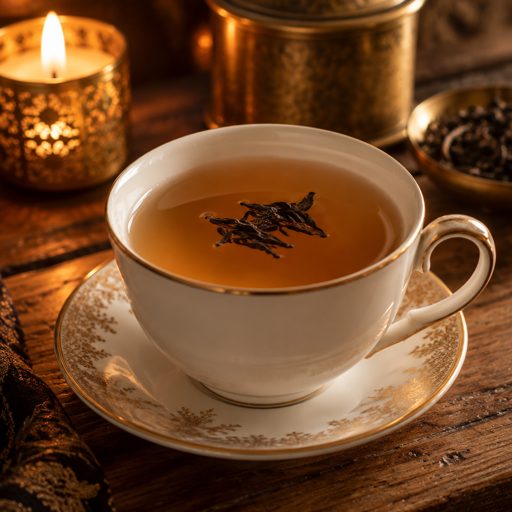
- Rim
- TraditionIn a common timing convention, the rim represents the present or the near future. It can also stand for matters already close to your awareness.
- UseRead a rim symbol as a prompt about an immediate concern. Do not assign a fixed number of days.
- Middle of the Cup
- TraditionThe middle is often associated with developing circumstances or the period between immediate and longer-term concerns.
- UseAsk what is taking shape and what choices could influence it. This position is useful for reflecting on work in progress.
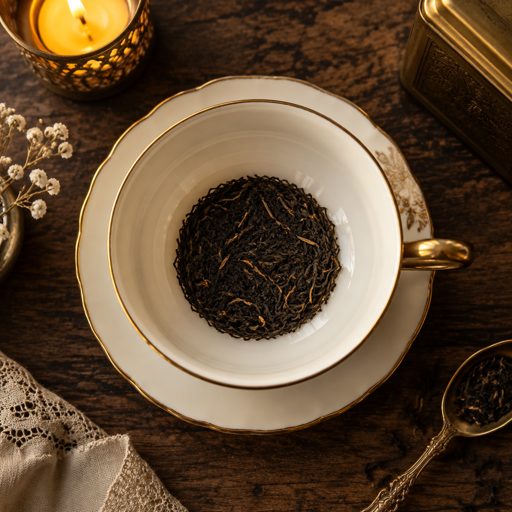
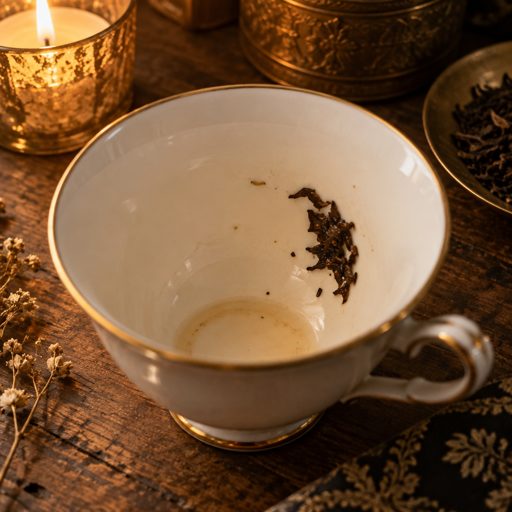
- Base of the Cup
- TraditionSome readers associate the base with the more distant future; others use it for foundations, persistent concerns, or less conscious feelings.
- CautionChoose your convention before interpreting the cup. A dark accumulation at the base is also a natural result of settling, not a sign of misfortune.
- Near or Opposite the Handle
- TraditionIn one common convention, the handle represents the person receiving the reading and their home sphere. The opposite side represents wider influences or matters farther from daily life.
- UseKeep the handle in a consistent orientation while recording positions. If the cup has no handle, choose a reference point before beginning.
- Grouped or Isolated Symbols
- MeaningSome readers explore nearby shapes as related themes and isolated shapes as separate concerns. Relative size may suggest emphasis within the reading, not objective importance.
- UseTry combining just two clear images, such as a key near a house suggesting questions about access or belonging. Leave ambiguous clusters uninterpreted.
Practical Tips for a Calm, Safe Reading
A useful session can be simple: a cup, a little time, and permission not to find a message in every leaf.
- Use only food-grade tea and clean, food-safe cups. Never add essential oils, unknown plants, decorative herbs, or non-food ritual ingredients to a drink.
- Check ingredients for allergies, caffeine, and possible interactions with medicines. Ask a pharmacist or clinician about unfamiliar herbal blends, especially during pregnancy.
- Let the tea cool before drinking or handling the cup. Drain it slowly over a stable saucer; do not invert a cup containing hot liquid.
- You do not need to swallow the leaves. Sip carefully and leave the sediment behind; a pale cup and larger loose leaves can make patterns easier to inspect.
- Set a clear, open question, such as what deserves attention this week. Avoid questions that ask the cup to diagnose illness, establish pregnancy, identify wrongdoing, or decide a risky investment.
- Record the visible shape, its position, your first association, and one alternative interpretation. A photo can help you notice how your interpretation changes over time.
- Leave room for no symbol or no clear meaning. If repeated readings increase anxiety or become a way of seeking certainty, stop and return to practical information and trusted support.
- Ask permission before reading for another person, keep their concerns private, and avoid frightening predictions or claims about absent people's thoughts.
- Candles are optional. If you use one, keep it on a stable, heat-resistant surface away from loose tea, curtains, children, and pets; never leave it burning unattended.
- Dispose of leaves in household waste or compost where accepted locally rather than washing clumps down the drain. Do not pour hot tea or salt water onto plants, and do not assume flavored, sweetened, or milky tea is suitable for watering them.
Tea leaf reading is a symbolic folk practice, not a proven way to predict events or a substitute for medical, legal, or financial advice.
Step-by-step how-to guides
- How to read tarot cards
- How to use angel oracle cards
- How to read playing cards
- How to use crystals in spells
- How to use herbs in witchcraft
- The Dr. Moorne Egyptian Tarot deck and how to read it
- How to read dice · Dice meanings
- How to read tea leaves · Tea leaf symbols
- How to use a pendulum · Pendulum meanings
- How to cast a candle spell · Candle color meanings
- How to make a spell jar · Spell jar recipes
- How to make a sigil · Sigil methods
- How to cleanse your home · Home cleansing methods
- How to set up an ancestor altar · Ancestor altar items
- How to open a sacred space · Sacred space tools
- How to time spells with the moon · Moon phase meanings
- How to work with water and salt · Water and salt magic
- How to make a protection charm bag · Charm bag recipes
Keep exploring
See the tarot card meanings, angel oracle cards, playing card meanings, crystals for spells and herbs in witchcraft guides, read the Journal, or visit the shops for a reading or spell from our partner practitioners.