Guide
Spell Jar Recipes
By Seraphina
A spell jar is a small container filled with materials chosen to represent an intention: safety, affection, steadier finances, restful sleep or a fresh beginning. In contemporary witchcraft, making one can be a quiet ritual for naming what matters and giving that wish a physical form. Container-based charms appear in different historical and cultural settings, but today’s decorative spell jars should not all be described as one ancient, universal tradition. Their meaning depends on the practitioner, the materials and the context.
The recipes below offer approachable starting points rather than fixed rules. Each uses a clean, completely dry jar, familiar ingredients and a written intention. Choose a small container, leave a little space at the top and close it with a sound lid. Candle wax is optional, not necessary. You can substitute ingredients according to your own associations, allergies and household needs; a jar made with paper and thread can be just as meaningful in personal practice as an elaborate arrangement.
Before you begin, decide what practical action belongs beside the ritual. A protection jar might accompany checking your locks; a money jar might sit near a budget; a sleep jar might mark the start of a calmer evening routine. Keep intentions focused on your own choices rather than controlling another person. The ingredient meanings here reflect common contemporary associations, not guaranteed effects or universal folklore. Work slowly, keep everything dry and treat the finished jar as a reminder you can revisit, revise or respectfully take apart when its purpose has passed.
Spell jar recipes
Use small, dry jars for these recipes. Quantities are flexible; all plant material should be fully dried, and every jar is decorative rather than edible.
- Protection jar
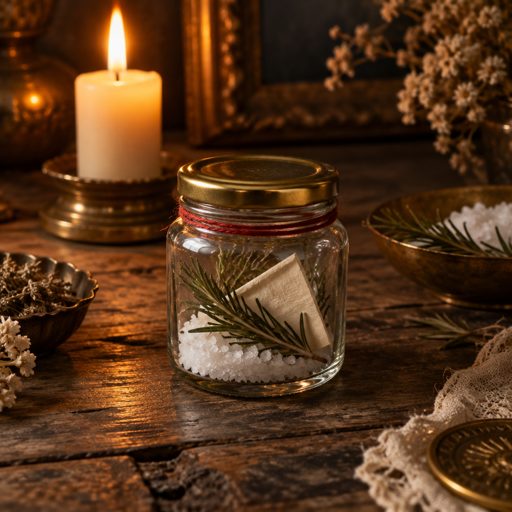
- IngredientsCombine 1 teaspoon of salt, 1 teaspoon of dried rosemary and a folded paper naming a boundary you want to maintain. Tie red cotton thread around the closed lid.
- UsePlace it on a secure shelf near your entrance as a symbolic reminder of personal boundaries. Pair the ritual with a practical home-safety check.
- CautionKeep it away from children and pets, and never scatter its salt into garden soil.
- Self-love jar
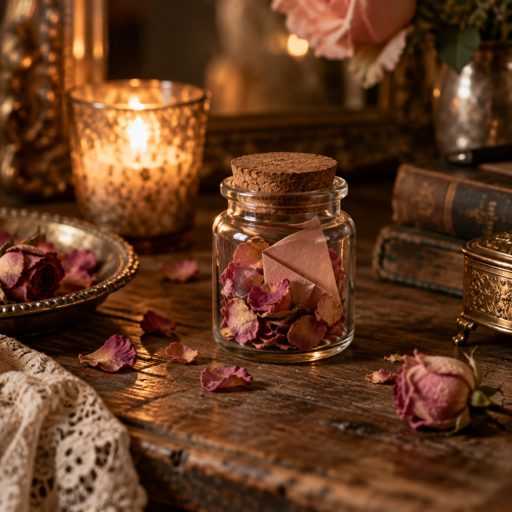
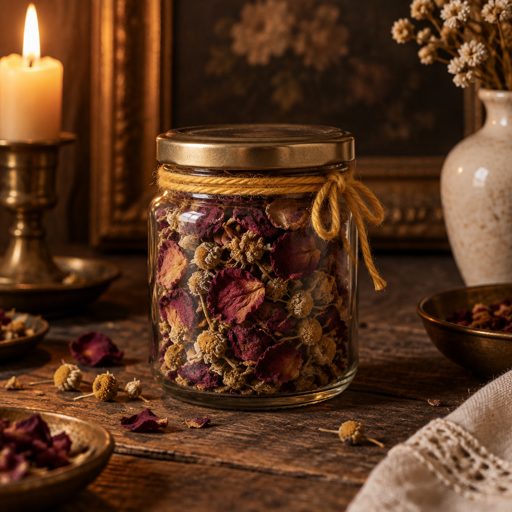
- IngredientsAdd 2 teaspoons of dried rose petals and a folded paper naming one quality you appreciate in yourself. Close with a lid and an optional pink ribbon.
- MeaningRose petals commonly symbolize affection in contemporary spellwork. Keep the focus on self-respect rather than earning someone else’s approval.
- UsePlace it beside a journal and choose one small act of kindness toward yourself each week.
- Mutual love jar
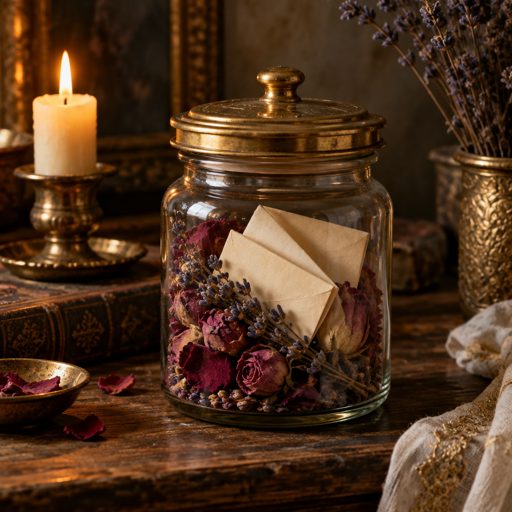
- IngredientsUse 1 teaspoon each of dried rose petals and lavender, plus a paper listing qualities of a healthy relationship. For a shared ritual, consenting partners can each contribute a separate intention.
- UseTreat the jar as a reminder of mutual care, communication and freely chosen affection. Avoid intentions aimed at making a specific person love you.
- CautionSubstitute plain paper hearts if either person is sensitive to fragrances.
- Money and stewardship jar
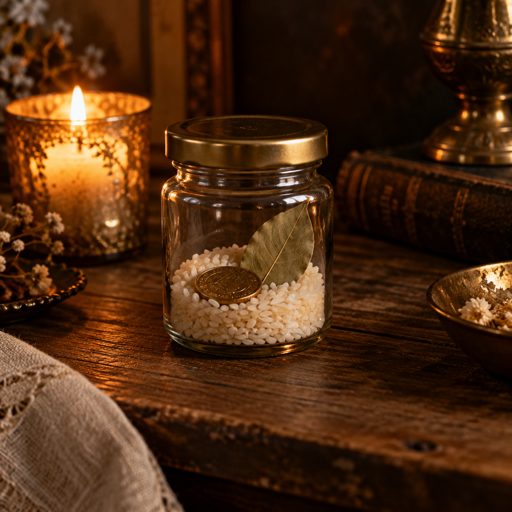
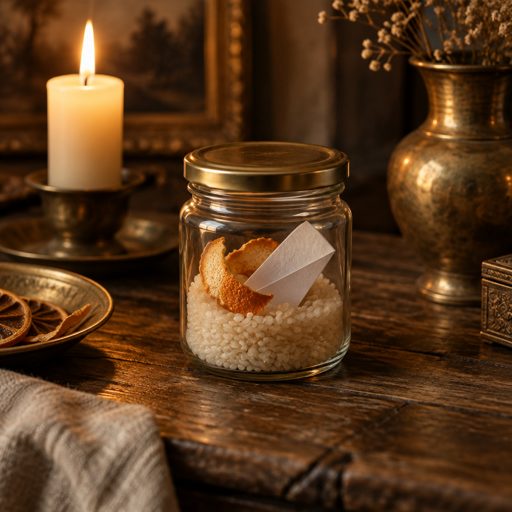
- IngredientsLayer 1 tablespoon of dry rice, one clean, completely dry coin and one dried bay leaf. Add a paper with a realistic savings or budgeting goal.
- MeaningRice and coins can symbolize enoughness and material resources. This recipe emphasizes caring for what you have rather than promising sudden wealth.
- UseKeep it near your budgeting materials and review one concrete financial step each week. Do not spend money on ritual supplies that you need for essentials.
- Restful sleep jar
- IngredientsCombine 1 teaspoon each of dried lavender and chamomile with a folded bedtime intention. Close tightly; no oils or liquid are needed.
- UseSet it on a stable shelf as a cue to dim lights and begin a consistent wind-down routine. It is a symbolic aid, not a treatment for insomnia.
- CautionDo not put glass under a pillow or in a child’s sleep space. Skip chamomile if you have a relevant plant allergy.
- Calm and grounding jar
- IngredientsAdd one clean, dry pebble, 1 teaspoon of dried lavender and a paper naming a grounding action. Unscented paper strips can replace the lavender.
- UseLet the jar prompt you to notice your surroundings, feel your feet on the floor or take a comfortable pause. It does not replace support for ongoing anxiety.
- Focus and study jar
- IngredientsUse 1 teaspoon each of dried rosemary and peppermint. Add a rolled paper naming one manageable task.
- MeaningRosemary has longstanding associations with remembrance, while mint often represents freshness in modern practice. These associations do not establish a cognitive benefit.
- UsePlace it on your desk and begin a short, timed work session with notifications silenced.
- Confidence jar
- IngredientsCombine 1 teaspoon of fully dried orange peel, one bay leaf and a paper naming a skill you have practiced.
- UseBefore a presentation or difficult conversation, use the jar as a cue to rehearse your opening sentence. Its symbolism centers on readiness and self-trust.
- CautionUse brittle, thoroughly dried peel rather than fresh zest, which can introduce moisture and mold.
- New beginning jar
- IngredientsAdd 1 tablespoon of dry rice, 1 teaspoon of dried orange peel and a paper describing one achievable first step.
- UseMake it at the start of a project, move or personal transition. Choose a review date so the intention becomes an ongoing practice rather than a forgotten wish.
- Friendship jar
- IngredientsCombine 1 teaspoon each of dried rose petals and chamomile. Add a paper naming a friendship quality you want to offer, then tie yellow thread around the lid.
- UseLet it remind you to reach out, listen or make time for others. If giving it as a gift, explain its contents and symbolic purpose first.
- CautionChoose a paper-only version for someone with fragrance sensitivities or chamomile allergies.
- Creativity jar
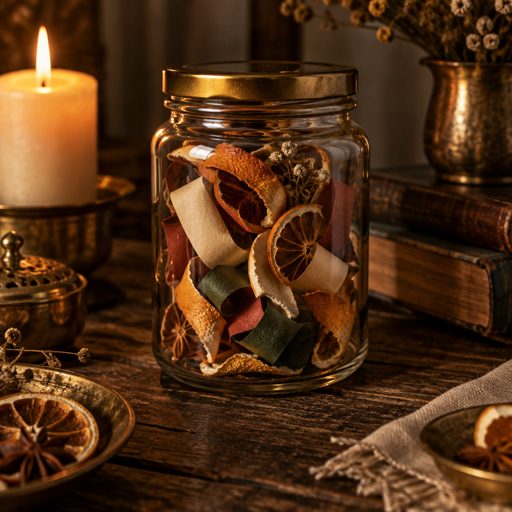
- IngredientsFill loosely with three colored paper strips and 1 teaspoon of dried orange peel. Write a small creative experiment on one strip before folding it inward.
- UseKeep it beside your supplies as permission to make something imperfect. Follow the ritual with ten minutes of sketching, writing or another creative activity.
- Letting-go jar
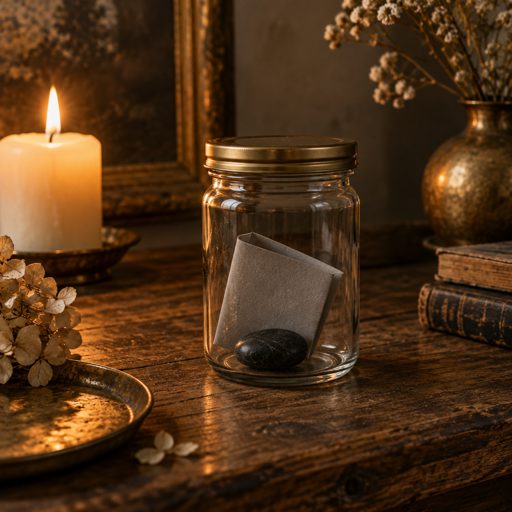
- IngredientsPlace a folded paper naming a habit or expectation you want to release beneath one clean, dry pebble.
- UseSet a date to reopen the jar and reflect on what has changed. Tear up and discard the paper when you feel ready; there is no need to burn it.
- CautionDo not bury the jar or throw it into water. Reuse the container after cleaning and drying it.
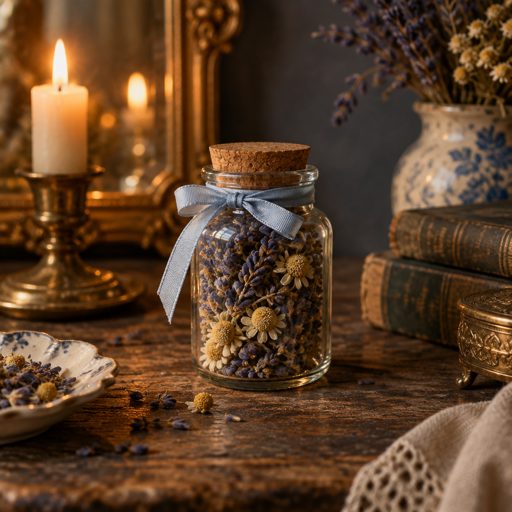
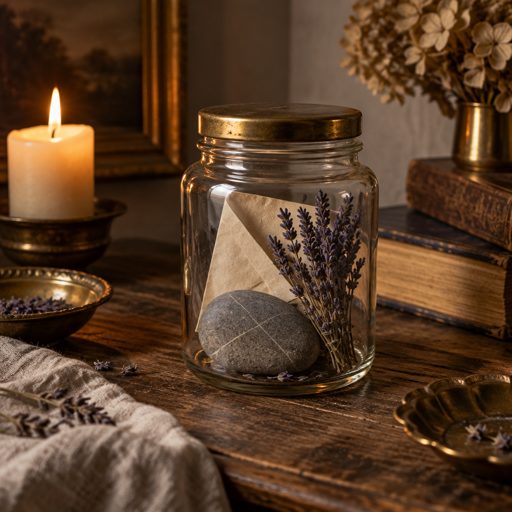
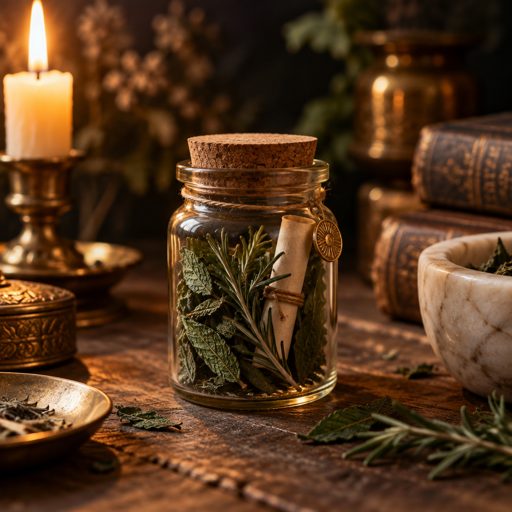
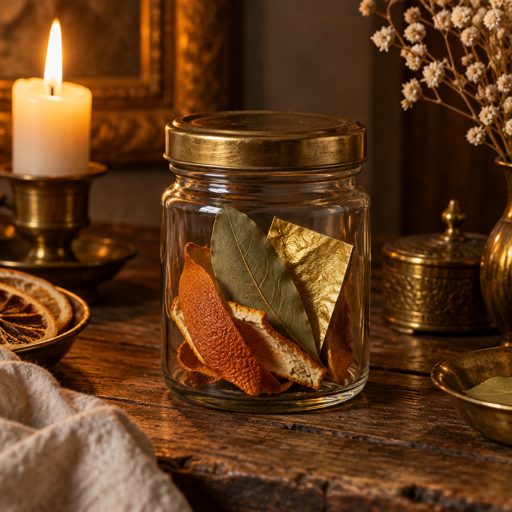
Common herbs, flowers and pantry ingredients
These meanings are common in contemporary practice but vary between communities and individuals. Use correctly identified, legally obtained materials; symbolic inclusion is not a recommendation to eat, brew or burn them.
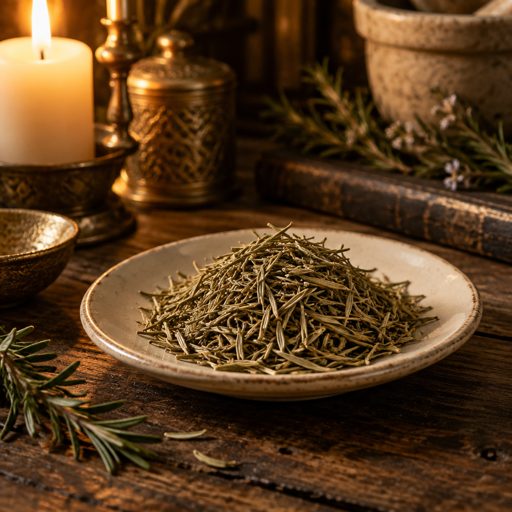
- Rosemary
- MeaningOften associated with remembrance, protection and cleansing. Its historical remembrance symbolism is broader than modern spell-jar practice.
- UseAdd a small pinch of fully dried leaves to protection or study jars. Avoid handling it if it irritates your skin.
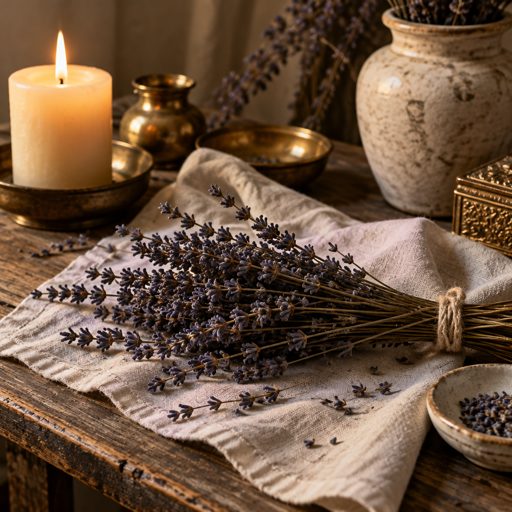
- Lavender
- MeaningCommonly represents peace, rest and gentleness in contemporary spellwork.
- CautionUse dried buds sparingly and keep the jar closed. Fragrance can bother sensitive people; dried lavender is not interchangeable with concentrated essential oil.
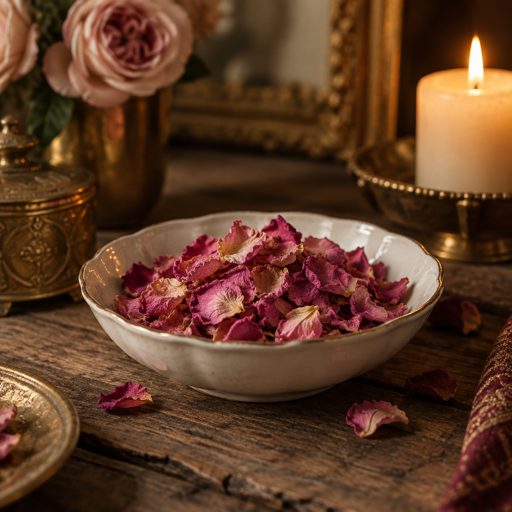
- Rose petals
- MeaningOften symbolize love, beauty, tenderness and grief. Choose a color that suits your own associations rather than treating color meanings as rules.
- UseUse fully dried petals in self-love, relationship or remembrance jars. Florist flowers may have chemical treatments and should not be used for tea or food.
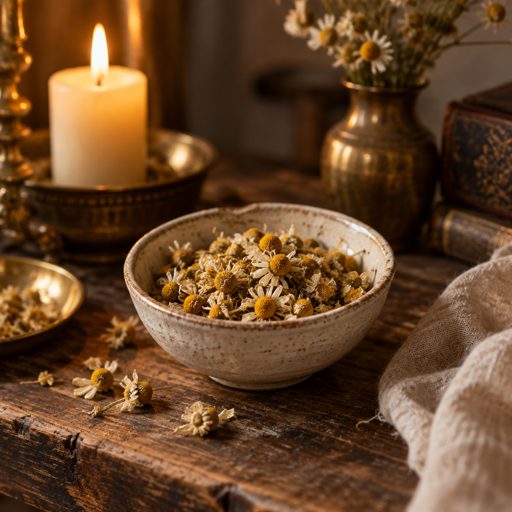
- Chamomile
- MeaningOften linked with rest, patience and gentle good fortune in modern ingredient lists.
- CautionChamomile can cause allergic reactions, particularly in people sensitive to related plants such as ragweed. Substitute paper flowers if needed.
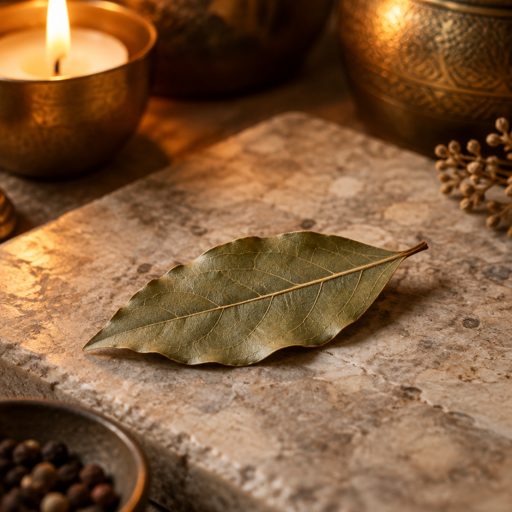
- Bay leaf
- MeaningCommonly represents achievement, wishes and recognition. Laurel also has historical associations with victory.
- UsePlace one dried culinary bay leaf in a goal-focused jar. Use a paper slip for writing rather than burning the leaf, and do not substitute unidentified laurel foliage.
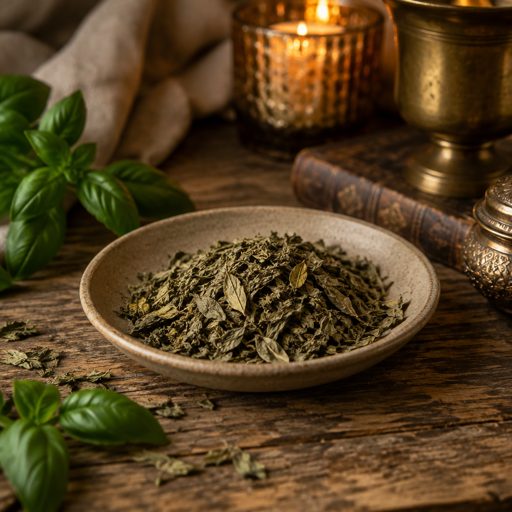
- Basil
- MeaningFrequently associated with prosperity, household harmony and affection in contemporary practice. Specific meanings differ across traditions.
- UseAdd a small pinch of dried culinary basil to a money or home-focused jar. Fresh leaves are likely to decay in a closed container.
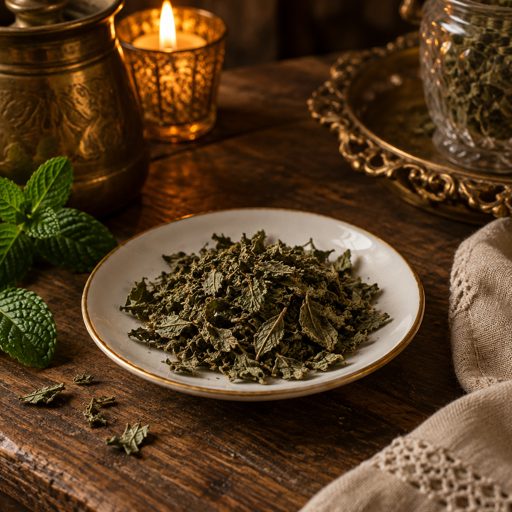
- Peppermint
- MeaningOften stands for freshness, alertness and renewed momentum.
- CautionUse dried leaves rather than essential oil, and omit them if their scent triggers symptoms. Keep loose herbs away from pets and children.
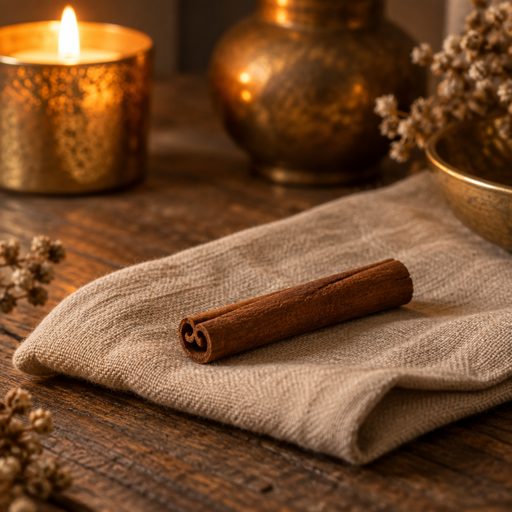
- Cinnamon
- MeaningCommonly symbolizes warmth, energy and prosperity in modern spellwork.
- CautionUse a small piece of stick rather than airborne powder. Do not blow cinnamon around a room or add cinnamon oil, which can irritate skin.
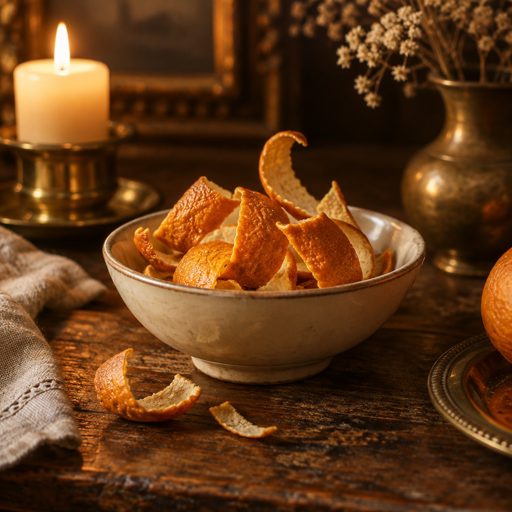
- Dried orange peel
- MeaningIts bright color often represents optimism, creativity and confidence.
- UseChoose thoroughly dried, brittle pieces and inspect for mold before use. Keep citrus materials out of pets’ reach.
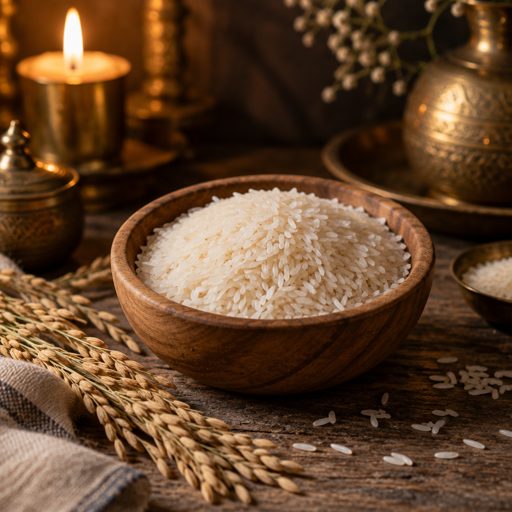
- Dry rice
- MeaningCan symbolize nourishment, abundance and having enough. Rice has distinct cultural meanings that should not be flattened into a single universal tradition.
- CautionUse a small quantity and keep the lid secure to discourage pantry pests. Rice does not make damp ingredients safe or prevent mold.
Containers, symbols and supporting materials
Ordinary household materials are enough. Expensive crystals, specialty oils and wax seals are not required.
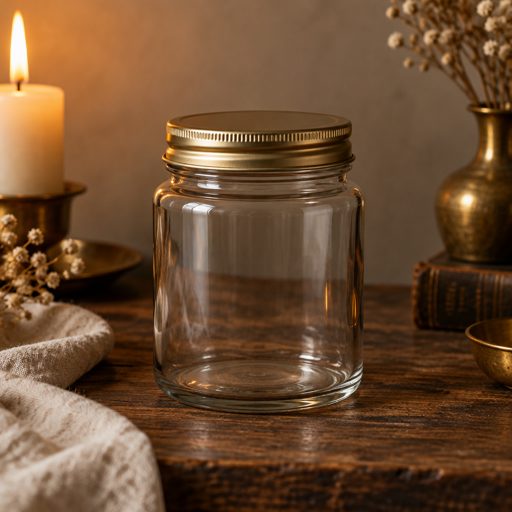
- Glass jar
- UseChoose a small, clean jar with an intact rim and a secure lid. Wash it and let it dry completely before filling.
- CautionKeep glass away from edges, heat and sleeping spaces. A sturdy non-glass container is a better choice where breakage is a concern.
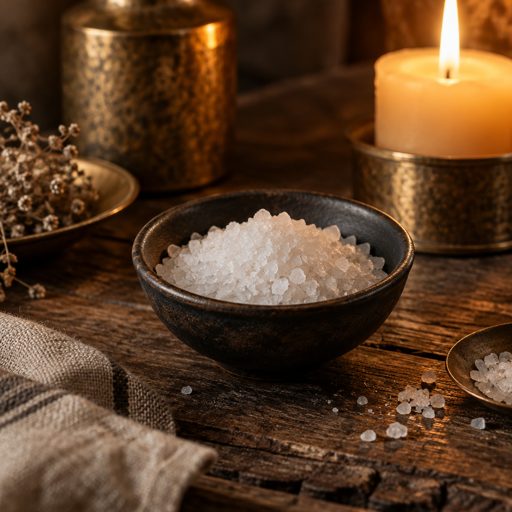
- Salt
- MeaningSalt is associated with purification and protection in various traditions, though practices and explanations differ.
- CautionUse only a small dry amount. Never empty salt or salt water onto plants, lawns or garden soil, and keep it away from pets.
- Paper intention
- UseWrite a clear intention centered on your own behavior, such as maintaining a boundary or making time to rest. Fold the writing inward for privacy.
- MeaningThe paper makes an abstract wish specific. Folding direction and number of folds are optional personal choices, not requirements.
- Cotton thread
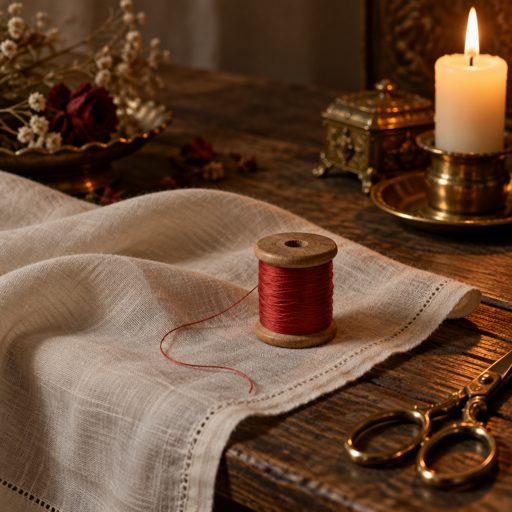
- MeaningThread can represent connection, commitment or a boundary. Red thread appears in multiple distinct traditions, with meanings that depend on context.
- CautionTie it around the outside of a closed jar and trim loose ends. String is dangerous if swallowed by pets, especially cats.
- Coin
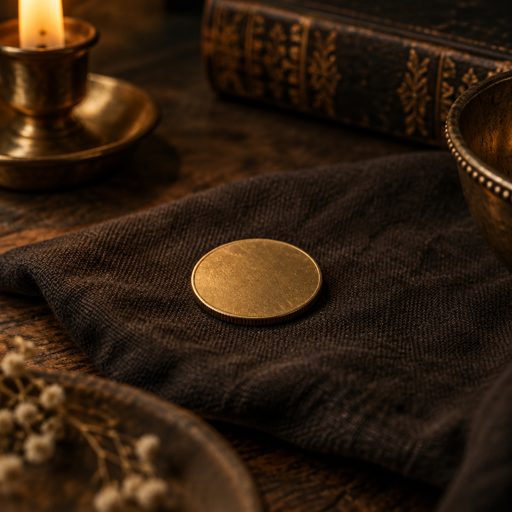
- MeaningA coin can stand for resources, exchange or a concrete savings goal. Its monetary value need not be high.
- CautionUse a clean, fully dry coin and keep it away from children and pets. Treat all jar contents as non-food once mixed.
- Smooth pebble
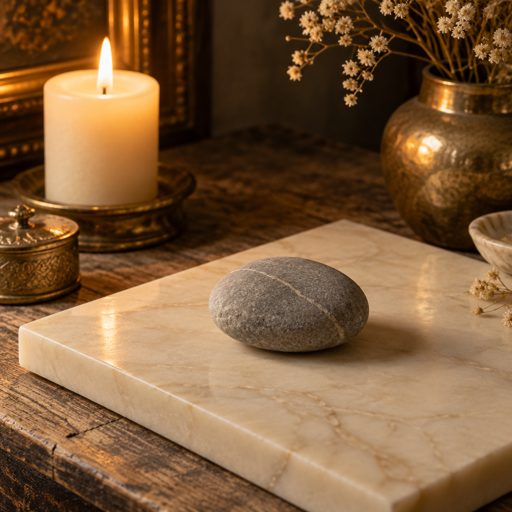
- MeaningA plain stone can represent steadiness, endurance or a sense of place without requiring a specific crystal.
- UseChoose a legally obtained pebble, clean and dry it, then lower it gently into the jar. Avoid taking stones from protected or culturally significant sites.
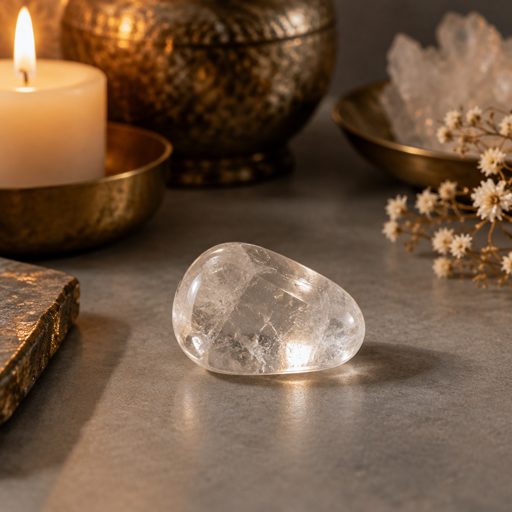
- Clear quartz
- MeaningMany contemporary crystal practitioners associate clear quartz with clarity or amplification of intention. These are spiritual associations, not established physical effects.
- CautionUse an intact tumbled piece and do not grind, ingest or make drinking-water infusions with stones. Keep clear crystals out of strong direct sunlight where focused light could create a hazard.
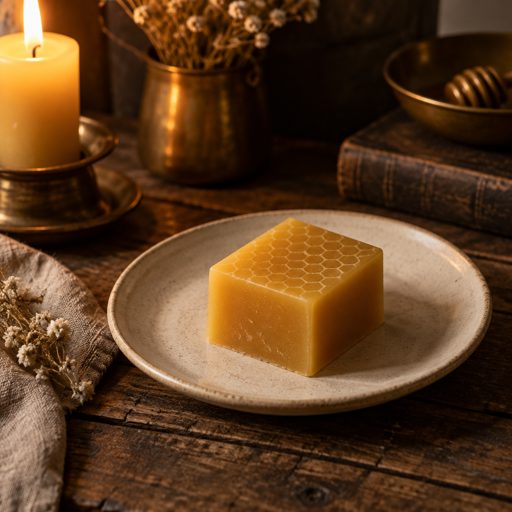
- Beeswax
- UseSome practitioners use wax as a symbolic finishing seal over an already closed lid. It is optional and does not sterilize the contents or guarantee an airtight closure.
- CautionHot wax can burn, and ordinary jars are not designed for direct flame. A ribbon or paper seal is a safer alternative.
Practical care, safety and disposal
A thoughtful ritual includes what happens before, during and after the jar is made.
- Keep recipes dry. Fresh flowers, fruit, honey and added water can spoil or ferment in closed containers; decorative oil mixtures can also deteriorate.
- Label the underside with the date and ingredients, especially if others share your home. Mark the jar as not for consumption.
- Never drink jar liquids, brew the contents into tea or feed them to animals. Avoid essential oils, unidentified plants and toxic herbs in beginner recipes.
- A lid is enough: you do not need fire. If you light a separate candle, use a stable, heatproof holder away from herbs, thread, curtains, children and pets, and never leave it unattended.
- Do not heat a filled jar, microwave it or hold ordinary glass over a flame. Wax seals do not make unsafe contents safe.
- Store jars upright in a cool, dry place away from direct sun and food preparation areas. Keep small parts and glass out of children’s and pets’ reach.
- Check periodically for moisture, mold, pests or a bulging lid. Do not sniff suspected mold or open a pressurized container near your face; stop using the jar and dispose of it safely.
- Do not bury jars, leave them outdoors or put them in rivers or the sea. Remove reusable materials and dispose of the rest according to local waste guidance.
- Keep salt, wax, glitter and unknown mixtures out of compost, waterways and soil. Only compost suitable plain plant material when your local system accepts it.
- Revisit the intention when useful, not because you fear consequences for missing a ritual. You can dismantle a jar whenever it no longer serves your personal practice.
- Let practical support lead: seek appropriate help for persistent sleep problems, distress, unsafe relationships or financial difficulties.
Spell jars are symbolic tools of belief and personal practice, not proven ways to change events or substitutes for medical, financial or professional advice.
Step-by-step how-to guides
- How to read tarot cards
- How to use angel oracle cards
- How to read playing cards
- How to use crystals in spells
- How to use herbs in witchcraft
- The Dr. Moorne Egyptian Tarot deck and how to read it
- How to read dice · Dice meanings
- How to read tea leaves · Tea leaf symbols
- How to use a pendulum · Pendulum meanings
- How to cast a candle spell · Candle color meanings
- How to make a spell jar · Spell jar recipes
- How to make a sigil · Sigil methods
- How to cleanse your home · Home cleansing methods
- How to set up an ancestor altar · Ancestor altar items
- How to open a sacred space · Sacred space tools
- How to time spells with the moon · Moon phase meanings
- How to work with water and salt · Water and salt magic
- How to make a protection charm bag · Charm bag recipes
Keep exploring
See the tarot card meanings, angel oracle cards, playing card meanings, crystals for spells and herbs in witchcraft guides, read the Journal, or visit the shops for a reading or spell from our partner practitioners.