Guide
Home Cleansing Methods
By Seraphina
A home cleansing can be a way to mark a fresh start: after a move, a difficult week, an illness, or simply the changing seasons. Across many traditions, people use sound, water, fragrance, light, and everyday household work to express welcome, protection, or renewal. These meanings belong to particular communities and personal beliefs; they are not evidence that an object can remove an invisible force. You do not need an elaborate collection of tools. A tidy surface, a familiar sound, and a clear intention can form a meaningful practice of your own.
Begin with the ordinary needs of the space. Remove rubbish, wash dishes, deal with damp, and clear safe walking routes. Then choose a ritual element that suits the people, animals, and materials in your home. Smoke is optional, fragrance is optional, and an open window is useful only when outdoor air and security allow it. A quiet, scent-free practice can be just as personally significant as a more elaborate ceremony. If you share your home, ask before introducing sound, strong smells, or objects into communal areas.
This guide separates common methods from room-specific considerations so you can build a simple routine rather than follow a rigid formula. Directions, timings, and symbolic correspondences vary; there is no universal requirement to work clockwise, cleanse at midnight, or repeat a ritual a certain number of times. Where a practice belongs to a living religious or cultural tradition, learn from that community rather than treating it as a generic technique. Let the finished ritual support a comfortable home, not create another obligation or a fear of getting things wrong.
Sound, air, smoke, and light
Choose one method that feels comfortable in your household. Sound and light offer straightforward alternatives when smoke or fragrance would be unsuitable.
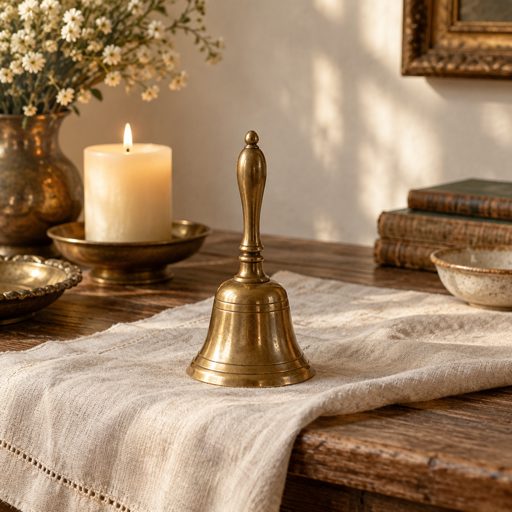
- Handbell
- MeaningBell ringing marks transitions in many settings, both religious and secular. In a personal cleansing ritual, it can signal a deliberate beginning or ending.
- UseRing gently in the center of a room, allowing each note to fade. Keep the volume comfortable for children, pets, and anyone sensitive to sudden sound.
- Singing bowl
- MeaningSome contemporary spiritual practices use a sustained tone to encourage attention and stillness. Avoid assuming every bowl or playing technique represents an ancient cleansing tradition.
- UsePlace the bowl securely and sound it softly for a short period. Do not play it close to anyone's ears or place a vibrating bowl on a person or animal.
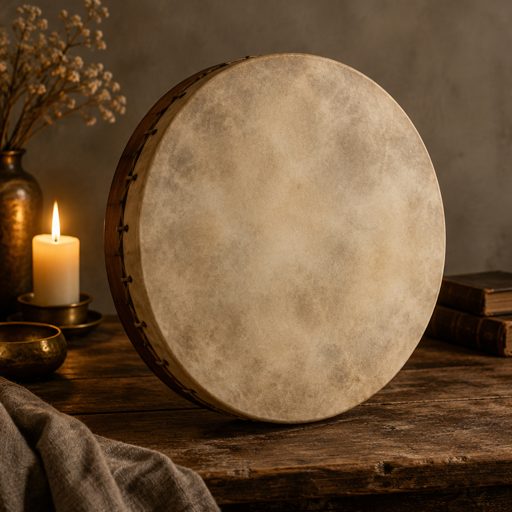
- Hand drum
- MeaningA steady rhythm can provide structure for a personal ritual. Ceremonial drumming has distinct meanings in different cultures and should not be treated as one universal practice.
- UseTry a brief, gentle rhythm rather than loud playing throughout the house. Consider neighbors, resting household members, and animals before beginning.
- Window ventilation
- MeaningOpening a window can symbolize making room for change. Any practical air-quality benefit depends on outdoor conditions and suitable ventilation.
- CautionKeep windows closed during poor outdoor air quality, severe weather, or security concerns. Use appropriate safeguards for children and pets.
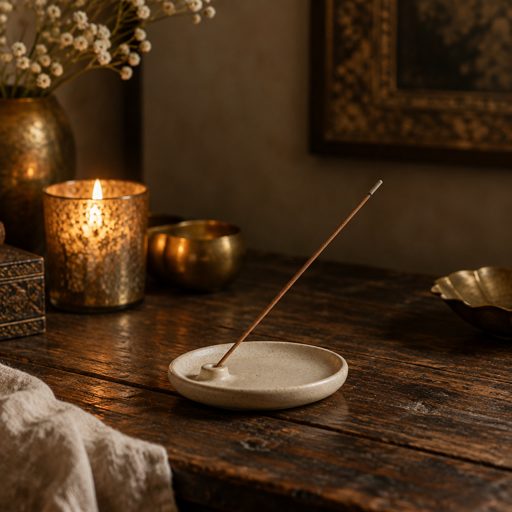
- Incense stick
- TraditionIncense appears in many religious and household traditions, with meanings specific to each setting. In personal practice, fragrance may serve as a reminder to pause and reset.
- CautionSmoke adds particles to indoor air; skip it around birds, sensitive people, or animals with respiratory concerns. If used, provide ventilation, catch all ash, keep it away from flammables, and never leave it burning unattended.
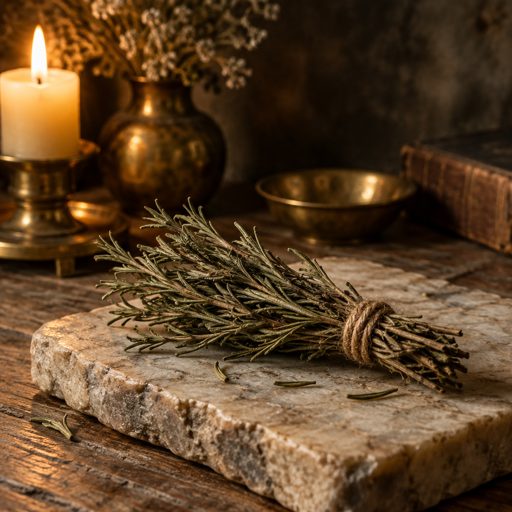
- Dried herb bundle
- TraditionBurning herbs occurs in different folk and religious settings, but the plants, purposes, and protocols vary. Do not label every herb-smoke practice as Indigenous smudging.
- CautionA displayed, unlit bundle is a smoke-free alternative; even familiar culinary herbs produce irritating smoke when burned. If burning, use a fireproof vessel, attend it continuously, and extinguish every ember completely.
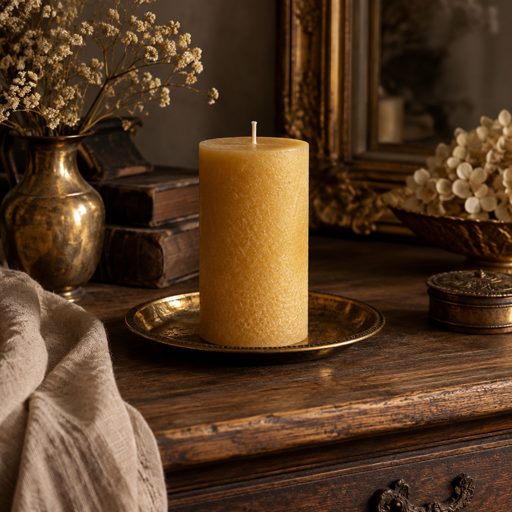
- Beeswax candle
- MeaningA candle can symbolize attention, welcome, or a new beginning. Beeswax has no established ability to purify a room's air or remove supernatural influences.
- CautionUse a stable, heat-resistant holder well away from curtains, shelves, children, and pets. Never leave a flame unattended or burning while you sleep.
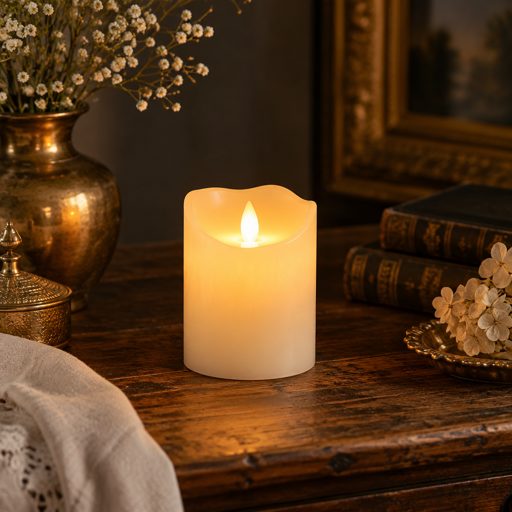
- Battery candle
- MeaningA flameless light can carry the same personal symbolism as a candle without combustion. It suits bedrooms, shared spaces, and smoke-free routines.
- CautionChoose a model with a secure battery compartment, especially around children and pets. Swallowed button batteries are a medical emergency.


Water, floor washes, salt, and herbs
Treat symbolic washing as an addition to ordinary cleaning, not a replacement for it. Surface care and safe ingredients matter more than an elaborate recipe.
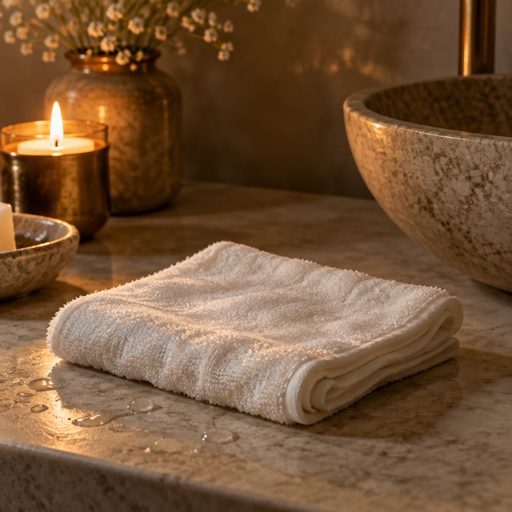
- Plain-water wipe
- MeaningWiping a suitable surface with plain water can symbolize clearing away what is no longer useful. It is a simple option when herbs and fragrance are unwelcome.
- UseUse a lightly damp cloth only on water-safe surfaces and dry afterward as needed. Plain water does not disinfect, and moisture can damage electronics or unfinished materials.
- Ordinary floor wash
- UseClean with a product approved for your flooring, following its dilution and rinsing directions. You can pair the work with a quiet intention without changing the cleaning formula.
- CautionNever mix cleaning products or add ritual ingredients to them. Keep people and pets off wet floors until they are dry and safe to use.
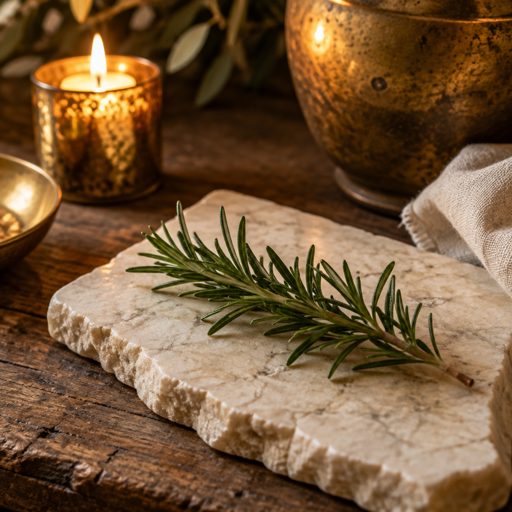
- Rosemary infusion
- TraditionRosemary has associations with remembrance and protection in some European folk practices. A cooled infusion may serve as symbolic washing water for a suitable small object.
- CautionStrain thoroughly, patch-test, and avoid porous stone, wood, fabrics, and food-contact surfaces. Make only what you need, discard leftovers promptly, and do not drink ritual wash water.
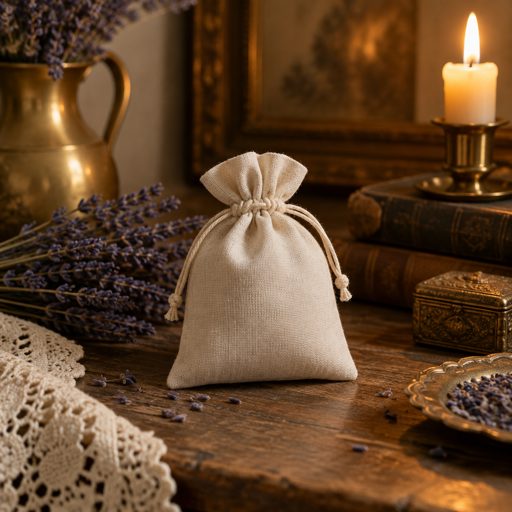
- Lavender sachet
- MeaningLavender is often associated with rest in contemporary household practice. A contained sachet can mark the end of cleaning without scattering herbs.
- CautionSkip it if fragrance causes discomfort, and keep it away from pets and children who might chew it. Dried herbs are not interchangeable with concentrated essential oils.
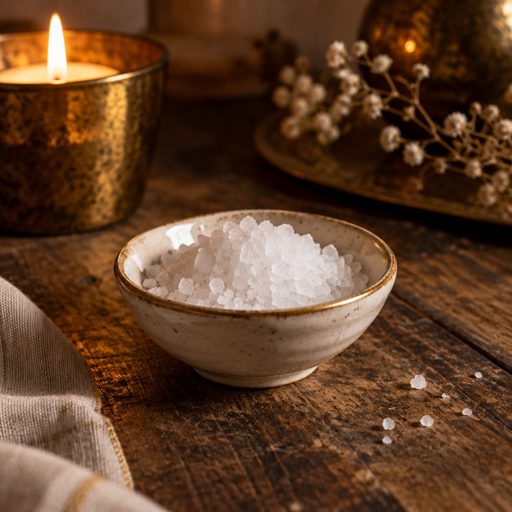
- Dry salt bowl
- TraditionSalt symbolizes preservation or protection in various folk traditions. A bowl of salt is a symbolic object, not a reliable air cleaner or remedy for damp.
- UsePlace it securely out of reach of children and animals, and discard it in household rubbish when finished. Do not reuse exposed ritual salt for cooking.
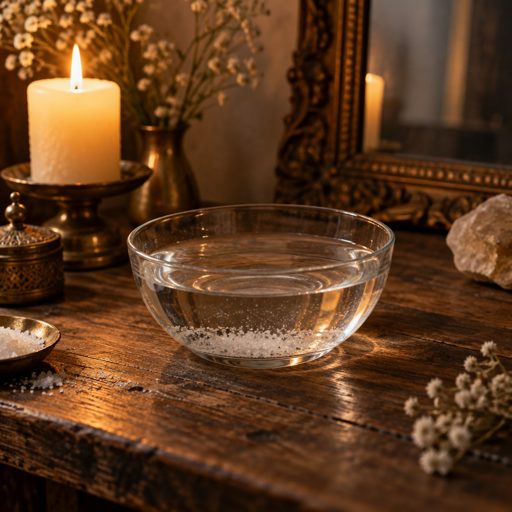
- Salt water
- MeaningSalt and water are paired in some purification practices, though their religious meanings differ. For a personal ritual, simply setting out a bowl avoids sprinkling vulnerable surfaces.
- CautionSalt water can corrode metals, damage finishes, and harm plants and soil. Never pour it into pots or gardens; dispose of a small household quantity through a suitable sanitary drain with running water.
- White vinegar
- UseSome modern household rituals incorporate vinegar during cleaning. Use it only where the surface manufacturer allows it, rather than treating it as a universal cleanser or disinfectant.
- CautionNever mix vinegar with chlorine bleach, which can release toxic gas. Avoid natural stone and other acid-sensitive surfaces, and do not combine it with other cleaners.
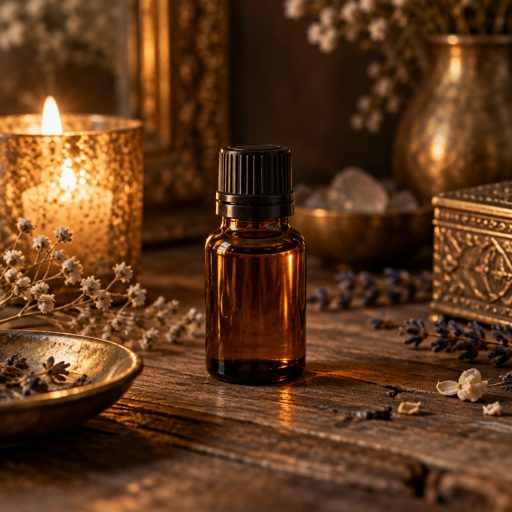
- Essential oil
- MeaningSome contemporary rituals use scent as a cue for focus. Essential oils are optional, highly concentrated substances, not necessary cleansing ingredients.
- CautionDo not ingest oils, add them to flames, or assume they disperse safely in plain water. Avoid casual use around pets, especially birds and cats, and seek species-specific veterinary advice before diffusing.


Sweeping, thresholds, and symbolic objects
Ordinary objects can help mark a boundary or a change of mood. Their significance comes from tradition and personal meaning, not guaranteed protective power.
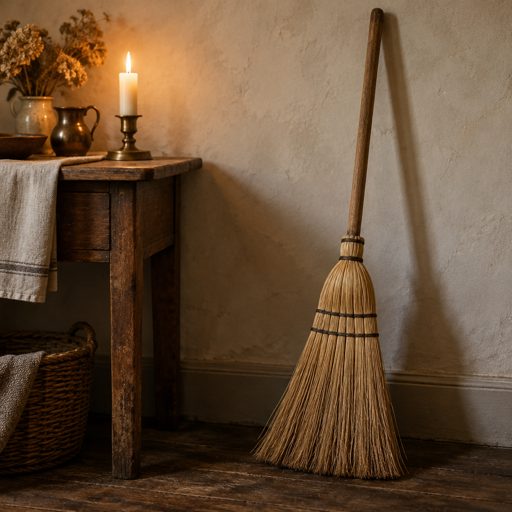
- Household broom
- MeaningSweeping lends itself to the symbolism of clearing out and beginning again. Practical dust removal and symbolic sweeping can be part of the same routine.
- UseSweep toward a collection point and put debris in the bin rather than pushing it into communal areas. There is no universal ritual direction you must follow.
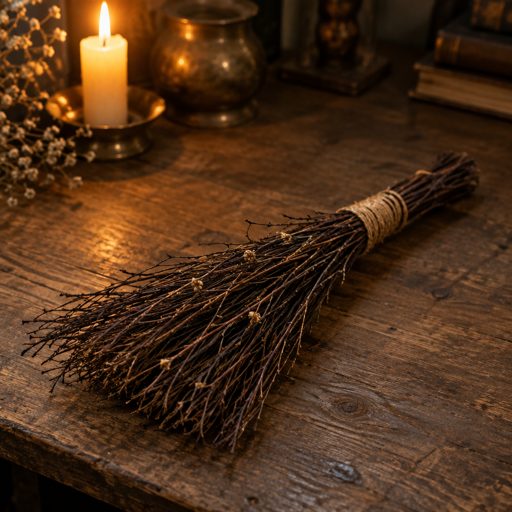
- Decorative besom
- TraditionSome contemporary Pagan and witchcraft practices use a besom for symbolic sweeping. Its role varies between groups and individual practitioners.
- UseMake a gentle sweeping gesture above a cleared floor if that suits your practice. Store loose twigs away from flames and animals that might chew them.
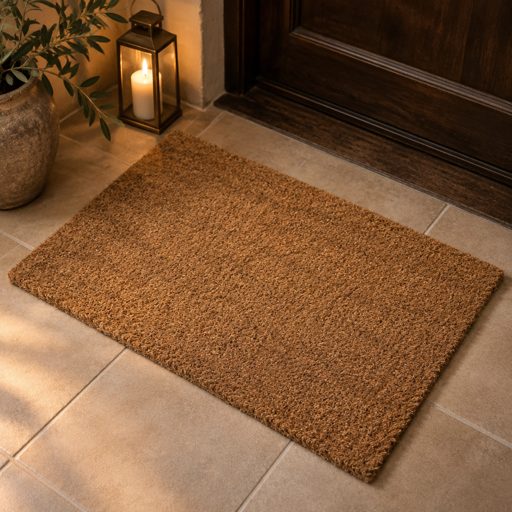
- Door mat
- MeaningA clean mat can represent a boundary between the outside world and home. It also has the practical job of catching tracked-in dirt.
- UseShake or clean it according to its care instructions and let it dry fully. Keep it flat, non-slip, and clear of the door's movement.
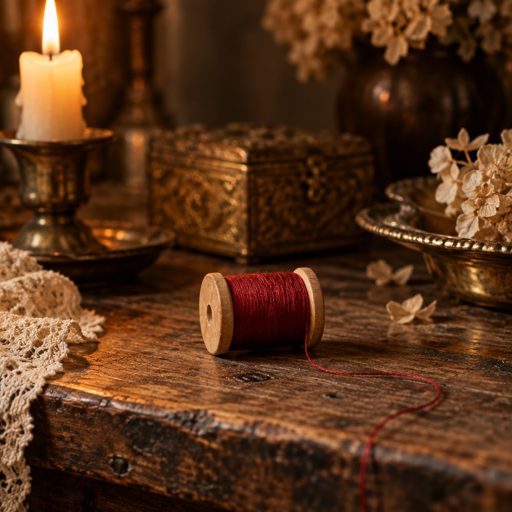
- Red thread
- TraditionRed thread appears in protective customs across several cultures, with different meanings and ways of using it. A personal knot can represent an intention without claiming to reproduce a particular ceremony.
- CautionKeep thread contained and away from children and pets, especially cats that may swallow it. Never stretch it across a doorway, walkway, or escape route.
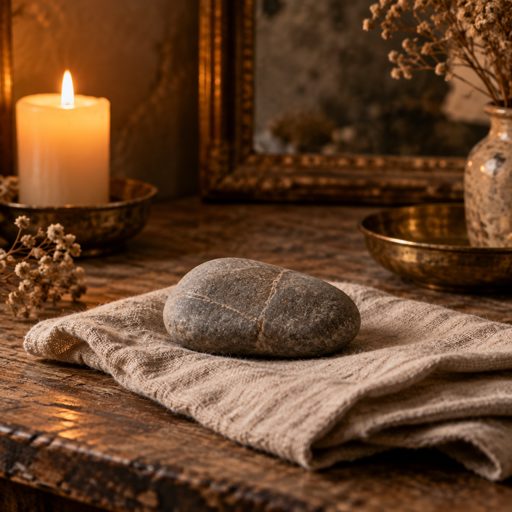
- Smooth stone
- MeaningAn ordinary stone can symbolize steadiness after cleaning. It does not need to be rare, expensive, or described as energetically powerful.
- UseChoose a legally and responsibly obtained stone and place it on a stable surface. Keep small stones away from anyone likely to swallow them.
- Clear quartz
- MeaningContemporary crystal practices often associate clear quartz with clarity. That association is symbolic, not evidence that quartz cleans a room or changes its energy.
- CautionKeep sharp points and small pieces out of reach, and do not make drinking-water preparations with crystals. Avoid strong sunlight where transparent or curved objects could concentrate light.
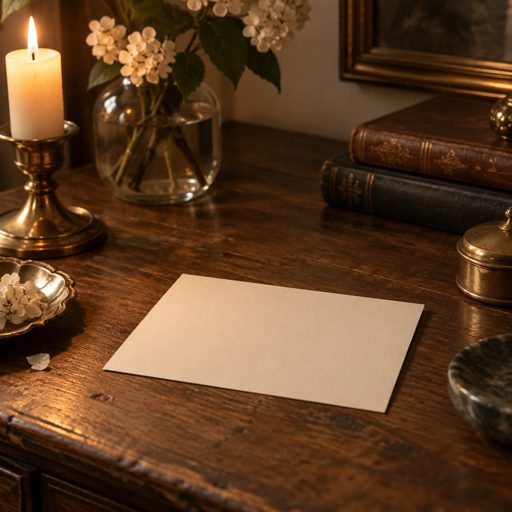
- Intention card
- UseWrite one practical intention, such as keeping the entry clear or making time to rest. Place it somewhere private and revisit it when you clean.
- MeaningThe card acts as a reminder rather than a command that events must obey. Avoid promises of perfect safety or rules that make you anxious about missing a ritual.
- Seasonal wreath
- MeaningRefreshing a wreath can mark a seasonal transition or express welcome. Choose locally appropriate materials without assigning them a universal sacred meaning.
- CautionIdentify all plant materials and avoid toxic berries or foliage within reach of children and pets. Keep dried greenery away from heat and secure it without obstructing exits.


Room-by-room cleansing notes
Let each room's everyday purpose guide the ritual. Cleaning, ventilation, comfort, and safe access should come before decorative or symbolic additions.
- Entryway
- FocusClear shoes, post, and bags so arriving home feels easier. A brief pause at the threshold can mark the shift from outside demands to home life.
- CautionAvoid loose salt, trailing cords, or objects behind the door. Keep locks, walkways, and emergency exits fully usable.
- Living room
- FocusRemove clutter, care for upholstery, and arrange seating for comfortable use. A soft bell or a moment of quiet can close the routine.
- CautionAgree on scents and sounds with everyone who shares the room. Keep any flame well away from throws, cushions, and curtains.
- Kitchen
- FocusPrioritize dishes, food storage, bins, and clean preparation surfaces. Gratitude for meals or a simple fresh-start intention can accompany ordinary kitchen care.
- CautionKeep ritual herbs, oils, powders, and exposed salt away from food and utensils. Use appropriate food-contact cleaning products and follow rinsing directions.
- Bedroom
- FocusChange bedding, clear the bedside area, and choose gentle light or silence. Let the ritual signal that the room is ready for rest.
- CautionAvoid burning anything when tired or preparing to sleep. Do not put salt, loose herbs, or sharp stones in bedding.
- Bathroom
- FocusClean fixtures, launder towels, and use appropriate ventilation to control moisture. A symbolic wipe belongs after the practical work.
- CautionDo not add herbs or oils to bathroom cleaners, and never mix products. Persistent mold, leaks, or sewage smells need investigation rather than ritual treatment.
- Home office
- FocusFile papers, clear a working area, and choose one manageable task for the next session. A short sound or a closed notebook can mark the end of work.
- CautionKeep water, salt, smoke, and ash away from electronics. Unplug equipment before cleaning it and follow manufacturer instructions.
- Children's room
- FocusUse familiar routines such as putting away toys, changing bedding, or choosing a comforting song. Present the activity as care for the room, not proof that something frightening is present.
- CautionAvoid flames, smoke, essential oils, loose thread, and small ritual objects. Respect the child's comfort and keep safety measures appropriate to their age.
- Pet resting area
- FocusWash bedding according to its care label and clean nearby surfaces with suitable products. Preserve familiar routines and allow the animal to move away from activity.
- CautionKeep smoke, diffusers, salt bowls, herb bundles, and strings out of this area. Sudden behavioral or breathing changes call for veterinary advice, not stronger cleansing rituals.


A practical cleansing checklist
A brief, repeatable routine is usually more useful than a complicated sequence. Stop when the home is clean, comfortable, and ready to use.
- Choose a clear purpose, such as marking a move, finishing a weekly clean, or settling down after a busy day.
- Clean first: remove rubbish, wash needed surfaces, and address spills, damp, pests, or blocked access.
- Ask household members about noise, fragrance, allergies, and privacy before using shared rooms.
- Choose one optional ritual element; plain water on a suitable surface, a gentle sound, or a battery candle is enough.
- Keep smoke optional, never disable alarms, and fully extinguish flames and embers before leaving the room.
- Follow product labels and surface-care guidance. Never mix cleaners or add herbs, salt, vinegar, or essential oils to commercial formulas.
- Keep ritual materials separate from food, and do not ingest wash water, exposed salt, essential oils, or crystal preparations.
- Use household rubbish for small quantities of spent dry salt and unsuitable botanical material; do not scatter salt outdoors or pour salt water onto plants.
- Do not bury thread, wax, crystals, or other ritual waste in public places or leave offerings that wildlife could eat.
- Treat persistent odors, electrical problems, gas smells, mold, and health symptoms as practical safety issues requiring appropriate help.
- Finish with one ordinary act of care, such as drying the floor or putting tools away. There is no need to repeat a ritual until it feels perfectly performed.
- If cleansing becomes driven by fear or interferes with daily life, pause the practice and seek support from someone you trust or a mental health professional.
Home cleansing is a cultural or personal practice, not a proven way to remove supernatural influences or a substitute for cleaning, healthcare, or repairs.
Step-by-step how-to guides
- How to read tarot cards
- How to use angel oracle cards
- How to read playing cards
- How to use crystals in spells
- How to use herbs in witchcraft
- The Dr. Moorne Egyptian Tarot deck and how to read it
- How to read dice · Dice meanings
- How to read tea leaves · Tea leaf symbols
- How to use a pendulum · Pendulum meanings
- How to cast a candle spell · Candle color meanings
- How to make a spell jar · Spell jar recipes
- How to make a sigil · Sigil methods
- How to cleanse your home · Home cleansing methods
- How to set up an ancestor altar · Ancestor altar items
- How to open a sacred space · Sacred space tools
- How to time spells with the moon · Moon phase meanings
- How to work with water and salt · Water and salt magic
- How to make a protection charm bag · Charm bag recipes
Keep exploring
See the tarot card meanings, angel oracle cards, playing card meanings, crystals for spells and herbs in witchcraft guides, read the Journal, or visit the shops for a reading or spell from our partner practitioners.